

The Bottom Line: Even Indoor Cats Need Annual FVRCP Vaccination
Cat vaccinations are essential even for indoor-only cats. Viruses can be carried into your home on shoes, clothing, and delivery packages, and the feline panleukopenia (parvovirus) can survive in the environment for over a year. At a minimum, every cat should receive the FVRCP vaccine (panleukopenia, herpesvirus, calicivirus) once a year.
Vaccination remains the single most effective way to protect cats from life-threatening infectious diseases. The process begins with an initial series during kittenhood and continues with regular booster shots throughout adulthood. Even cats that never set foot outside are at risk because pathogens are remarkably resilient — calicivirus persists on surfaces for up to a month, and panleukopenia can withstand most household disinfectants.
Many owners assume that an indoor lifestyle eliminates all risk, but veterinary data tells a different story. Emergency clinics regularly treat unvaccinated indoor cats for preventable diseases. The small annual investment in vaccination provides enormous peace of mind and avoids the far greater cost — both financial and emotional — of treating a serious infection. Discuss your cat's specific risk profile with your veterinarian to build a tailored vaccination plan.
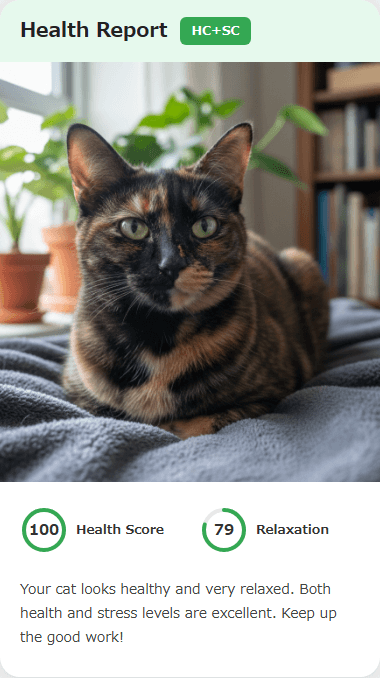

Catch problems before they start
Daily health tracking makes early detection possible. CatsMe logs changes automatically so small shifts don't slip past you.
يستخدمه أكثر من 380,000 مالك قطط في 50 دولة


Core vs. Non-Core Vaccines: What Your Cat Needs
Core Vaccines (Recommended for Every Cat)
Core vaccines protect against diseases that are widespread, highly contagious, and potentially fatal. Every cat, regardless of lifestyle, should receive these:
- Feline Panleukopenia (FPV / Parvovirus): A devastating gastrointestinal disease with mortality rates exceeding 90% in unvaccinated kittens. The virus is extraordinarily tough, surviving in the environment for more than a year and resisting many common disinfectants.
- Feline Herpesvirus-1 (FHV-1): The primary cause of upper respiratory infections in cats. Once infected, cats become lifelong carriers, with stress triggering periodic flare-ups.
- Feline Calicivirus (FCV): Causes oral ulcers, pneumonia, and sometimes a severe systemic form called VS-FCV. Multiple strains exist, so vaccinated cats may still develop mild symptoms, but the vaccine prevents life-threatening illness.
These three are combined in the FVRCP vaccine — the feline equivalent of a core childhood vaccine series.
Non-Core Vaccines (Based on Lifestyle & Risk)
- Feline Leukemia Virus (FeLV): Strongly recommended for outdoor cats or those in multi-cat households. FeLV suppresses the immune system and can cause lymphoma.
- Chlamydophila felis: Considered for cats in breeding facilities or shelters with confirmed outbreaks.
- Bordetella bronchiseptica: Occasionally recommended for cats in shelter environments.
Your veterinarian will recommend the appropriate combination — commonly a 3-way, 4-way, or 5-way vaccine — based on your cat's age, health status, and exposure risk.
Vaccination Schedule & Expected Costs
Kitten Primary Series
Kittens receive maternal antibodies through their mother's milk, but this passive immunity fades between 6 and 16 weeks of age. Because the exact timing varies, a series of shots is needed to ensure protection:
- 8 weeks: First FVRCP dose
- 12 weeks: Second FVRCP dose (plus FeLV if indicated)
- 16 weeks: Third FVRCP dose — crucial because maternal antibodies may have blocked earlier doses
- One year later: First annual booster
Adult Cats (No Prior Vaccination)
Adults receiving vaccines for the first time need an initial dose followed by a second dose 3–4 weeks later. After that, annual boosters maintain immunity. Some vets now recommend triennial FVRCP boosters for low-risk adults, while FeLV remains annual for at-risk cats.
Typical Costs (Japan)
- FVRCP (3-way): ¥4,000–¥6,000
- 4-way (adds FeLV): ¥6,000–¥8,000
- 5-way (adds Chlamydia): ¥7,000–¥10,000
Most clinics include a basic wellness exam in the vaccination visit fee. Many pet insurance plans cover a portion of preventive care costs, making annual vaccination even more affordable.
Post-Vaccination Care & Side Effects to Watch For
After your cat receives a vaccination, a brief period of rest and observation is important. Here is what to expect and when to seek help:
Normal Reactions (resolve within 24–48 hours)
- Mild lethargy or sleepiness
- Slight decrease in appetite
- Low-grade fever
- Minor swelling or tenderness at the injection site
These are signs that the immune system is responding appropriately. Keep your cat quiet for 2–3 days after the shot — avoid vigorous play, bathing, and stressful activities.
Warning Signs (contact your vet immediately)
- Facial swelling or hives (anaphylaxis)
- Persistent vomiting or diarrhea
- Difficulty breathing
- Collapse or extreme weakness
- A lump at the injection site that persists beyond 3 weeks or grows larger than 2 cm
Serious allergic reactions are rare (roughly 1 in 10,000 vaccinations), but they can be life-threatening. Most clinics recommend waiting 15–30 minutes in the waiting room after the injection so staff can intervene if a reaction occurs. Cats with chronic conditions such as kidney disease or those on immunosuppressive medication should have their vaccination plan tailored by their vet. An online consultation can help you plan the safest timing.
Home Care & Practical Tips Before and After Vaccination
Maximizing vaccine effectiveness and minimizing stress for your cat starts well before you arrive at the clinic. Here are practical tips for every stage of the process.
Before the Appointment
- Schedule the visit when your cat is in good health. If your cat is showing signs of illness — sneezing, diarrhea, or lethargy — postpone and reschedule.
- Get your cat comfortable with the carrier days in advance. Leave it open at home with a familiar blanket inside, and consider spraying it with Feliway (a synthetic pheromone) 30 minutes before travel.
- No fasting is necessary. Feed your cat their regular meal.
- Bring any previous vaccination records so your vet can review the history.
After Coming Home
- Place your cat in a quiet, dimly lit room and let them decompress at their own pace.
- Avoid handling or touching the injection site excessively.
- Offer fresh water and a small amount of their favorite food — appetite may be slightly reduced for 12–24 hours.
- If you have other cats, keep the vaccinated cat separated for a few hours to prevent rough play that might aggravate soreness.
Record-Keeping
- Store the vaccination certificate in a safe place — you will need it for boarding facilities, international travel, and pet insurance claims.
- Set a reminder on your phone for the next booster date.
- The CatsMe app lets you log vaccination history and sends automatic reminders when your cat's next shot is due.
What the Vet Will Do: Pre-Vaccination Exam & Costs
A vaccination visit is more than just a quick injection — it is one of the most important wellness checks your cat will receive all year. Here is what to expect during the appointment and a breakdown of costs.
Pre-Vaccination Physical Exam
Before administering any vaccine, your veterinarian will perform a thorough wellness check:
- Temperature: Normal feline body temperature ranges from 100.4°F to 102.5°F (38.0–39.2°C). A fever may indicate an underlying illness that would make vaccination inadvisable.
- Heart and lung auscultation: Listening for murmurs, arrhythmias, or abnormal breath sounds.
- Oral exam: Checking for dental disease, ulcers, or swollen gums.
- Lymph node and abdominal palpation: Screening for enlarged lymph nodes or organ abnormalities.
- Weight check: Comparing against previous visits to catch gradual weight loss — an early indicator of many diseases.
Cost Breakdown (Japan)
- Initial consultation: ¥1,000–¥2,000 (follow-up visits: ¥500–¥1,000)
- Vaccine fee: ¥4,000–¥10,000 depending on type
- Antibody titer test (optional): ¥5,000–¥8,000
Antibody Titer Testing as an Alternative
For senior cats or those that have previously experienced adverse vaccine reactions, antibody titer testing measures the level of existing immunity through a blood draw. If titers are sufficiently high, the booster can be safely deferred. Results typically take a few days to one week. Discuss this option with your vet to find the right balance between protection and minimizing unnecessary interventions.
Age-Specific Vaccine Considerations: Kittens, Adults & Seniors
Vaccination strategy varies significantly across a cat's lifespan. A one-size-fits-all approach can leave kittens under-protected or expose senior cats to unnecessary risks. Here is how to tailor the plan by age.
Kittens (8–16 Weeks)
Kittens are the most vulnerable age group. Maternal antibodies passed through the queen's milk provide initial protection, but they also interfere with vaccine efficacy. This is why the primary series requires multiple doses spaced 3–4 weeks apart — to catch the window when maternal immunity has waned but the kitten's own immune response has not yet been established. FeLV vaccination is increasingly recommended for all kittens during the primary series, regardless of planned lifestyle, since future circumstances can change. Combine vaccination visits with positive socialization experiences to help kittens become comfortable with veterinary handling.
Adult Cats (1–10 Years)
Healthy adults typically need an annual FVRCP booster. However, some veterinary guidelines now support triennial (every 3 years) FVRCP boosters for low-risk indoor cats after a solid primary series and first annual booster. FeLV boosters should continue annually for cats with outdoor access or those in multi-cat environments. Lifestyle changes — such as a move, a new pet in the household, or access to a catio — warrant a fresh risk assessment.
Senior Cats (10+ Years)
Older cats face a paradox: their immune systems weaken with age, increasing susceptibility to infection, yet chronic conditions like kidney disease or hyperthyroidism may complicate vaccination decisions. Antibody titer testing is especially valuable in this group, allowing your vet to confirm whether immunity is still adequate. The goal is to balance continued protection with minimal stress on an aging body. Always discuss the risk-benefit ratio with your veterinarian.
Common Vaccination Myths — Debunked
Misinformation about vaccines circulates widely on social media and pet forums. Let us separate fact from fiction so you can make confident decisions about your cat's health.
Myth 1: "Indoor cats don't need vaccines."
Viruses travel on shoes, clothing, and even delivery packages. Panleukopenia virus survives for over a year on surfaces and resists most household cleaners. Veterinary emergency rooms regularly treat unvaccinated indoor cats for preventable diseases.
Myth 2: "One round of vaccines lasts a lifetime."
Vaccine-induced immunity wanes over time. Without periodic booster shots, antibody levels drop below the threshold needed to fight off infection. This is why annual or triennial boosters are part of every evidence-based vaccination protocol.
Myth 3: "Vaccines cause the diseases they're supposed to prevent."
Modern feline vaccines are either killed (inactivated) or modified-live, meaning they cannot cause the full-blown disease. Mild, transient symptoms — low-grade fever, brief lethargy — reflect a normal immune response, not illness. The risk of feline injection-site sarcoma (FISS) is estimated at 1 in 10,000 to 30,000 vaccinations, and veterinary best practice now includes rotating injection sites and using adjuvant-free vaccines to further reduce this already-small risk.
Myth 4: "Senior cats no longer need vaccines."
Aging cats experience immune senescence, which actually increases their vulnerability to infectious disease. A tailored vaccine schedule — guided by titer testing when appropriate — ensures continued protection without unnecessary stress.
When in doubt, consult your veterinarian or reach out via an online consultation to get personalized, evidence-based advice.
هل تستطيع الإجابة عن سؤال "متى بدأ هذا؟"
عندما يسألك الطبيب البيطري، لا تبقَ بلا إجابة. CatsMe يسجّل تلقائيًا نقاط الصحة اليومية ويمكنك مشاركتها بلمسة واحدة.
ワクチン予防接種3種混合感染症予防
FAQ
 CatsMe
كن مستعدًا للتصرف لحظة شعورك بأن شيئًا ليس على ما يرام
التقط صورة واحدة، ويقرأ الذكاء الاصطناعي علامات الألم والحالة الصحية من تعابير قطتك. تحقّق في اللحظة التي تقلق فيها، وشارك السجل مع طبيبك البيطري.