Bengal vs British Shorthair
A comprehensive side-by-side comparison of Bengal and British Shorthair covering temperament, lifespan, health risks, and care requirements to help you find your perfect match.
Overview Comparison
| Attribute | Bengal | British Shorthair |
|---|---|---|
| Origin | United States | United Kingdom |
| Lifespan | 12-16 years | 12-20 years |
| Weight | 3.5-7kg | 4-8kg |
| Health Predispositions | 4 conditions | 4 conditions |
Characteristics Comparison
Bengal
British Shorthair
Health Predispositions Comparison
Compare genetic and constitutional health predispositions between the two breeds.
Bengal
Hypertrophic Cardiomyopathy (HCM)
HighHCM has been reported in Bengals, causing thickening of the heart walls. Annual echocardiograms are recommended.
Progressive Retinal Atrophy (PRA)
HighA Bengal-specific PRA-b mutation causes progressive retinal degeneration and vision loss. Genetic testing is available.
Pyruvate Kinase Deficiency (PK Deficiency)
MediumAn inherited enzyme deficiency causing hemolytic anemia. Fatigue and decreased appetite are common signs.
Inflammatory Bowel Disease (IBD)
MediumBengals tend to have sensitive digestive systems and may develop IBD with chronic diarrhea and vomiting.
British Shorthair
Hypertrophic Cardiomyopathy (HCM)
HighBritish Shorthairs have a relatively high incidence of HCM, where thickened heart walls affect blood flow. Regular checkups are essential.
Hemophilia B
HighAn inherited bleeding disorder caused by deficiency of clotting factor IX. Reported in British Shorthairs, it increases risks during injuries or surgery.
Obesity
MediumTheir calm, less active nature makes them prone to obesity, which increases the risk of diabetes and joint problems.
Urolithiasis
MediumFormation of stones in the bladder or urinary tract, often caused by insufficient water intake or dietary imbalances.
Care Tips Comparison
Bengal
British Shorthair
Which Breed Is Right for You?
Bengal might be for you if...
The Bengal was developed by crossing domestic cats with Asian Leopard Cats, resulting in a stunning leopard-like rosette pattern. Despite their wild appearance, they are friendly and extremely active. They are unafraid of water and intelligent enough to learn tricks.
Learn more about BengalBritish Shorthair might be for you if...
The British Shorthair is Britain's most iconic cat breed, known for its round face and dense, plush coat. Independent yet affectionate, they have a calm temperament that makes them excellent family pets. The 'British Blue' grey coat is the most recognized variety.
Learn more about British ShorthairBreed Detail Pages
 CatsMe
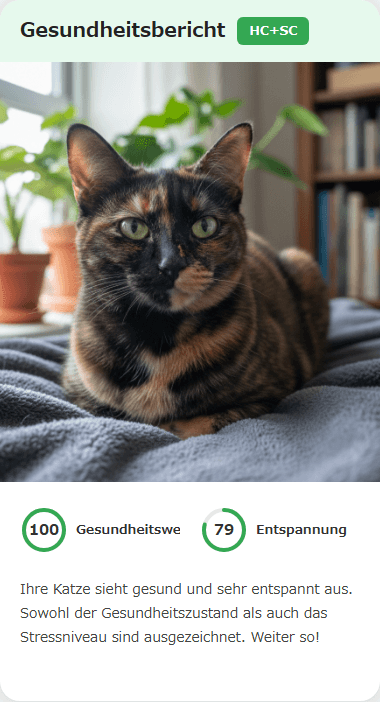
Seien Sie vorbereitet, wenn Ihnen etwas auffällt
Ein Foto genügt: Die KI liest Schmerz und Zustand am Gesichtsausdruck Ihrer Katze ab. Prüfen Sie im Moment der Sorge und teilen Sie die Aufzeichnung mit Ihrer Tierarztpraxis.