Persian vs Russian Blue
A comprehensive side-by-side comparison of Persian and Russian Blue covering temperament, lifespan, health risks, and care requirements to help you find your perfect match.
Overview Comparison
| Attribute | Persian | Russian Blue |
|---|---|---|
| Origin | Iran (Persia) | Russia |
| Lifespan | 12-17 years | 15-20 years |
| Weight | 3-5.5kg | 3-5.5kg |
| Health Predispositions | 5 conditions | 3 conditions |
Characteristics Comparison
Persian
Russian Blue
Health Predispositions Comparison
Compare genetic and constitutional health predispositions between the two breeds.
Persian
Polycystic Kidney Disease (PKD)
HighOne of the most common inherited conditions in Persians, causing multiple cysts in the kidneys. An estimated 30-40% of Persians carry the gene.
Brachycephalic Airway Syndrome
HighDue to their flat face, Persians have narrowed airways that can cause breathing difficulties. This worsens in hot environments or during excitement.
Progressive Retinal Atrophy (PRA)
MediumA hereditary eye condition where the retina gradually degenerates, leading to vision loss. Early signs may include behavioral changes in dim lighting.
Epiphora (Tear Staining)
MediumDue to the flat facial structure, tears cannot drain properly and overflow around the eyes. If left untreated, this can cause skin irritation and infections.
Dermatophytosis (Ringworm)
MediumPersians with their long coats are more susceptible to fungal skin infections. Main symptoms include hair loss, redness, and dandruff.
Russian Blue
Urolithiasis
MediumProne to formation of struvite or calcium oxalate stones in the bladder and urinary tract. Adequate water intake is critical for prevention.
Obesity
MediumThey tend to be food-obsessed and gain weight easily. Obesity increases risks of diabetes and urinary disease, making portion control essential.
Stress-Related Conditions (Feline Idiopathic Cystitis)
MediumTheir sensitive nature makes them prone to stress-induced cystitis and digestive issues from environmental changes. A stable environment is key to health.
Care Tips Comparison
Persian
Russian Blue
Which Breed Is Right for You?
Persian might be for you if...
The Persian is one of the oldest and most beloved cat breeds, known for its luxurious long coat and flat face. Calm and quiet, they prefer peaceful environments. Their beautiful coat requires daily grooming, but their elegant presence captivates cat lovers worldwide.
Learn more about PersianRussian Blue might be for you if...
The Russian Blue is an elegant cat with a stunning silver-blue coat and emerald green eyes. While reserved and sensitive, they show deep devotion to trusted owners. Known for their longevity, they prefer quiet environments and make ideal companions for calm households.
Learn more about Russian BlueBreed Detail Pages
 CatsMe
Seien Sie vorbereitet, wenn Ihnen etwas auffällt
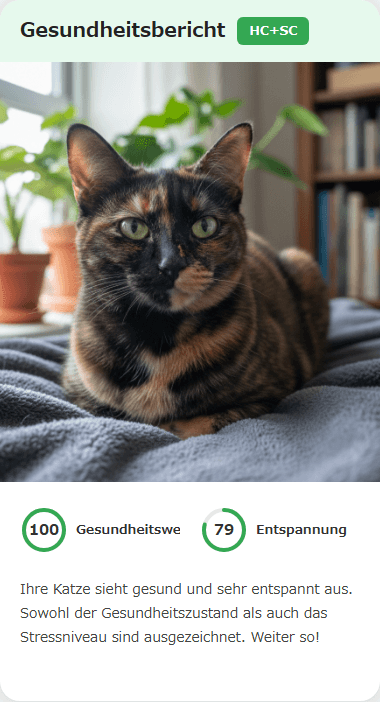
Ein Foto genügt: Die KI liest Schmerz und Zustand am Gesichtsausdruck Ihrer Katze ab. Prüfen Sie im Moment der Sorge und teilen Sie die Aufzeichnung mit Ihrer Tierarztpraxis.