

The Bottom Line: Munchkins Are Active Cats, but Spine and Weight Risks Need Attention
The Munchkin's short legs are caused by a mutation in the RSPO2 gene. While their skeletal risks are not as severe as those of the Scottish Fold, owners should be aware of potential spinal deformities, chest wall abnormalities (pectus excavatum or pectus carinatum), and obesity-related joint stress. Regular checkups and careful weight management are the cornerstones of keeping a Munchkin healthy and active for years to come.
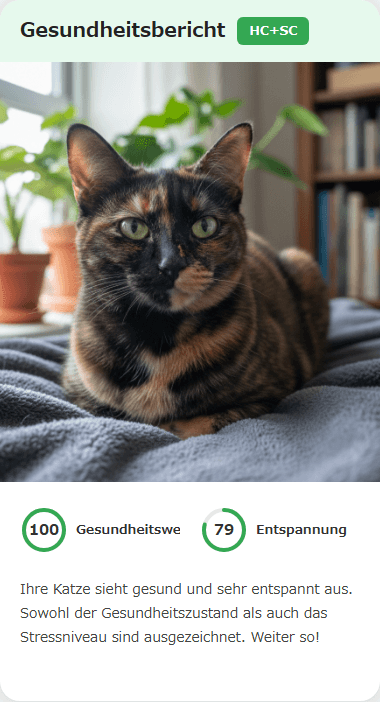

Der tägliche Begleiter Ihrer Katze
Pflegeerinnerungen, Gewichtsverlauf und Gesundheitsroutinen — CatsMe vereint alles in einer App.
Über 380.000 Katzenbesitzer in 50 Ländern vertrauen CatsMe


Congenital Spine and Chest Risks
There are two congenital concerns to keep on your radar with Munchkins.
Chest wall deformities (pectus excavatum / pectus carinatum): Abnormal breastbone development can compress the heart and lungs. Mild cases may show no symptoms, but severe cases can cause breathing difficulty and exercise intolerance. Lordosis and scoliosis: The short-leg gene can sometimes affect spinal development. If the spine curves abnormally, neurological symptoms such as hind-leg weakness or litter box issues may appear.
Getting a baseline X-ray evaluation as a kitten provides peace of mind and a reference point for the future.
Obesity Risk and Weight Management
Short legs naturally limit exercise capacity, making Munchkins prone to weight gain. Obesity increases stress on joints, the spine, and the heart and lungs, so maintaining a healthy weight is especially critical for this breed.
Aim for a target weight in the 3.0–5.0 kg (6.5–11 lb) range. Measure food portions precisely — free-feeding is off the table. Encourage activity with floor-level interactive toys that let your Munchkin play without needing to jump or climb excessively.
Joint and Bone Care
Short front legs place extra strain on the lower back and lumbar spine. Here is how to help.
Add ramps: Low-profile ramps to the sofa, bed, and favorite spots prevent risky jumps. Choose a litter box with a low entry. Upgrade flooring: Slippery hardwood is tough on joints — lay down carpet runners or non-slip mats in high-traffic areas. Annual X-rays: A yearly skeletal evaluation catches spinal changes early, before they cause pain.
Omega-3 fatty acid (EPA/DHA) supplements can offer supplementary support for arthritis prevention as your Munchkin ages.
Age-Related Changes to Watch in Munchkin Cats
Once a Munchkin enters the senior years (age 7+), the structural demands of short legs begin to compound with normal aging changes in ways that need close monitoring.
Spinal progression: Mild lordosis or scoliosis that was barely noticeable in youth may worsen with age, potentially producing neurological symptoms such as hind-leg wobbling or litter box difficulties. Earlier-onset arthritis: The biomechanics of short legs mean that arthritis can set in earlier than average — as early as age 5–7 in some Munchkins. Watch for changes in gait, avoidance of steps, and a shrinking range of self-grooming. Accelerated muscle loss: Limited exercise capacity due to short limbs makes Munchkins particularly vulnerable to sarcopenia (age-related muscle wasting) once they hit the senior phase. A combination of gentle daily exercise and a high-protein diet is essential to preserve muscle mass.
From age 7 onward, schedule a comprehensive health check — including bloodwork and spinal X-rays — every six months. Catching changes early gives you the widest range of intervention options before pain becomes a daily problem.
Quality of Life Assessment for Munchkin Cats
Because of their short legs, it is tempting to assume that limited mobility is "just how Munchkins are" — but healthy Munchkins are surprisingly active and playful cats. A decline in activity is more likely a sign of pain than a breed quirk.
Regular quality-of-life checks should cover: (1) Willingness to move: Does the cat voluntarily use ramps to access the sofa or low shelves? (2) Play interest: Has responsiveness to floor-level toys diminished? (3) Litter box behavior: Is the cat struggling to enter or exit the tray? Entry height matters even more for short-legged cats. (4) Appetite and weight: Any appetite loss or rapid weight fluctuations? (5) Resting posture: Does the cat lie in unusual positions or avoid certain postures that it used to favor?
Score each dimension monthly and track trends over time. The quintessential Munchkin waddle is endearing, but it can also mask subtle pain signals. Maintaining an objective, data-driven perspective ensures that discomfort is caught and addressed before it significantly erodes your cat's enjoyment of daily life.
Nutrition Strategies for Munchkin Cats
The central nutritional challenge for Munchkins is preventing obesity while preserving muscle mass — two goals that require careful balancing.
High-protein, low-carb food: Wet food with animal protein as the primary ingredient is ideal for maintaining muscle without adding fat. Calorie control: Given the exercise limitations imposed by short legs, many Munchkins need roughly 10–15% fewer calories than an average-sized cat. Always measure portions precisely and never free-feed. Joint-support nutrients: Start supplementing with omega-3 fatty acids (fish oil), glucosamine, and chondroitin early in life — before joint problems appear. Joint-support prescription diets like Hill's j/d combine these in balanced formulations. Hydration: To reduce urinary tract disease risk, feed a predominantly wet diet and provide multiple water stations around the home.
Establishing healthy weight habits from kittenhood pays enormous dividends in the senior years. A Munchkin that has maintained an ideal body condition throughout life enters old age with significantly lower risk of spinal and joint complications. Think of proper nutrition not as a restriction but as an investment in your cat's future mobility and comfort.
Track Your Munchkin's Weight With Carelogy's Online Consultations
Weight and body condition monitoring works well through online consultations. Simply send a photo and a vet will evaluate your Munchkin's body condition score (BCS), then recommend portion adjustments and an exercise plan tailored to short legs.
Whether your concern is "I think my cat is getting chubby" or "the spine looks a bit curved," bring those questions directly to Carelogy's online vet consultation.
Könnten Sie beantworten: ‚Seit wann geht es ihr so?'
Wenn der Tierarzt fragt, sollten Sie nicht raten müssen. CatsMe protokolliert automatisch tägliche Gesundheitswerte, die Sie mit einem Fingertipp teilen können.
マンチカン猫種別短足脊椎遺伝病
FAQ
 CatsMe
Seien Sie vorbereitet, wenn Ihnen etwas auffällt
Ein Foto genügt: Die KI liest Schmerz und Zustand am Gesichtsausdruck Ihrer Katze ab. Prüfen Sie im Moment der Sorge und teilen Sie die Aufzeichnung mit Ihrer Tierarztpraxis.