

What Is Play Therapy? The Meaning of Play for Cats
For cats, play is far more than entertainment — it is a substitute for instinctive hunting behavior. Wild cats hunt 10-20 times a day, expending significant energy. Indoor cats lack this outlet, and without structured play, they can develop problems such as:
- Aggression (biting and scratching the owner)
- Over-grooming
- Nighttime yowling
- Obesity
- Destructive behavior (scratching furniture, knocking things over)
- Apathy and depression
Play therapy uses structured play sessions that intentionally trigger the hunting instinct to address these behavioral issues and promote physical and mental wellness.
Research shows that at least 15 minutes of structured play daily leads to a significant reduction in problem behavior. Play is also the best way to strengthen the bond between you and your cat.
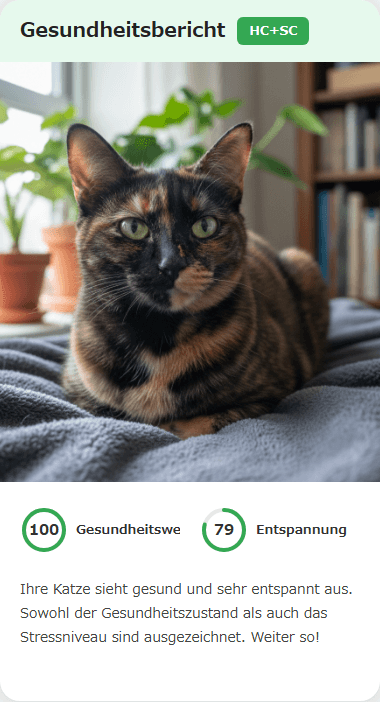

Der tägliche Begleiter Ihrer Katze
Pflegeerinnerungen, Gewichtsverlauf und Gesundheitsroutinen — CatsMe vereint alles in einer App.
Über 380.000 Katzenbesitzer in 50 Ländern vertrauen CatsMe


Effective Play Techniques
Recreate the Hunt Sequence
A cat's hunt follows the pattern: Spot → Chase → Catch → Kill → Eat. Replicating this in play dramatically boosts satisfaction.
1. Spot: Let the toy peek out from behind furniture
2. Chase: Move the toy quickly so the cat pursues it
3. Catch: Deliberately let the cat catch it occasionally (success is crucial)
4. Kill: Give the cat time to bite and bunny-kick the toy
5. Eat: End the session with a small treat
Toy Selection
- Wand toys: Allow distance between you and the cat; feather and mouse attachments are popular
- Balls: Stimulate the chasing instinct — ping-pong balls and foil balls work well
- Puzzle feeders: Engage the brain by requiring work for food
- Laser pointer: Always finish with a real toy so the cat gets the satisfaction of a "catch"
Timing & Frequency
- 10-15 minute sessions, 2-3 times per day
- Morning and before bedtime are especially effective (also helps with nighttime yowling)
- Stop if the cat loses interest — never force play
Tailoring Play to Age & Personality
Kittens (under 1 year)
- High energy — short, frequent sessions (4-5 times daily)
- Choose safe toys (no small swallowable parts)
- Never use hands as toys (creates biting habits)
- Incorporate socialization into play
Adult Cats (1-7 years)
- 2-3 solid play sessions per day
- Rotate toys to prevent boredom
- Mimic realistic prey movements (vary speed and direction)
- Important for obesity prevention
Senior Cats (7+ years)
- Use slower-moving toys
- Avoid jumping if arthritis is present
- Emphasize puzzle feeders for mental exercise
- Multiple short sessions (5-10 minutes each)
Timid or Passive Cats
- Try light-based toys in a dimmed room (easier to spark interest)
- Start moving the toy far from the cat
- Any reaction at all is a win — be patient and consistent
Notes
- Put toys away after play (prevents string ingestion)
- Never end with a laser pointer alone (causes frustration)
- Playing before meals recreates the natural "hunt, then eat" rhythm
Practical Application: How Play Therapy Solves Behavior Problems
Play therapy is far more than entertainment — it serves as a therapeutic tool for resolving specific behavioral issues. Below are common problems that structured play can address effectively.
Nighttime Zoomies
Conduct an intense play session thirty minutes before bedtime, followed by a small treat. This recreates the cat's natural cycle of hunt, catch, eat, groom, and sleep, dramatically reducing nighttime yowling and midnight sprints through the house.
Redirected Aggression Toward the Owner
Biting and scratching of hands and feet is usually rooted in insufficient energy release. Increase daily play to twenty minutes or more and always use wand toys that keep distance between your body and the cat. If the cat attacks, immediately stop the session and withdraw attention entirely.
Inter-Cat Conflict in Multi-Pet Homes
When tensions rise between cats in a multi-cat household, scheduling individual play sessions with each cat is remarkably effective. When each animal has a dedicated outlet for its energy, the rivalry and resource guarding between them often diminish on their own.
Separation Anxiety
A pre-departure play session paired with a puzzle feeder left behind helps the cat transition into alone time more calmly. Follow up with another play session after you return home to reinforce the message that your departure is temporary and that reunion brings positive interaction.
Expert Tips: Advanced Play Techniques
Animal behavior professionals recommend the following techniques to elevate your play sessions from good to exceptional.
Vary the "Prey Movement"
When moving a toy, mimic real prey behavior. A mouse toy should dart along baseboards, pausing occasionally to "look around." A bird attachment should flutter unpredictably through the air and land briefly on the floor. Unpredictable motion is the single biggest factor in sustaining a cat's excitement.
The "Hide and Reveal" Technique
Slide the toy under a newspaper or behind a cushion to trigger the cat's ambush instinct. The rhythm of prey hiding, peeking out, and hiding again creates irresistible anticipation. Many cats that seem disinterested in open play come alive the moment the toy disappears behind cover.
Environmental Enrichment
Enhance the play space itself. Cardboard box tunnels, paper bags with handles removed, and simple agility obstacles transform a flat floor into a three-dimensional hunting ground that increases engagement and satisfaction. This doubles as effective indoor exercise for apartment-dwelling cats.
Toy Rotation Strategy
Keep around ten toys and rotate two to three into active use every three days. A toy that has been out of sight for a week feels "new" again, preventing habituation. Storing inactive toys in a sealed bag with catnip infuses them with an enticing scent that reignites interest when they return to the rotation.
When to Seek Professional Help for Play-Related Issues
Some situations are beyond the scope of play therapy alone. When the following apply, consult a veterinarian or animal behaviorist.
Possible Medical Issues
- A formerly playful cat that suddenly stops engaging may be signaling pain or illness
- Abnormally heavy breathing during play could indicate heart disease or a respiratory condition
- If a cat ingests part of a toy, treat it as a foreign-body emergency requiring immediate veterinary attention
When Behavior Problems Persist
If adequate play time fails to resolve the following issues, a professional behavioral assessment is warranted:
- Aggression severe enough to injure the owner
- Destructive behavior damaging furniture or appliances
- Over-grooming that does not subside
- Near-total inactivity and hiding for most of the day
Combining Medication with Play Therapy
For cats with severe anxiety or aggression, a veterinarian-prescribed anti-anxiety medication such as fluoxetine can be paired with play therapy for stronger results. Medication serves as an adjunct to behavioral intervention — the long-term goal remains improvement through play and environmental adjustment rather than pharmacological management alone.
Routine health checkups help rule out medical causes behind behavioral changes and ensure play remains safe and beneficial.
Long-Term Management: Lifelong Benefits of Consistent Play
To unlock the full potential of play therapy, it must become a lifelong habit rather than a temporary fix. Consistency is what transforms occasional fun into lasting behavioral and health benefits.
Tips for Building a Lasting Routine
- Schedule play at the same time every day so it becomes automatic
- Set a smartphone reminder so busy days do not lead to skipped sessions
- Divide play duties among family members to prevent burnout
- Even on hectic days, commit to at least five minutes of focused interaction
Adjusting Play as Your Cat Ages
A cat's preferences and stamina change with age. Review the play program roughly once a year. For senior cats, shift away from high-impact jumping and sprinting toward puzzle feeders and gentle chase games. This preserves mental stimulation while protecting aging joints from excessive strain.
Long-Term Benefits of Daily Play
- Obesity prevention: Regular exercise supports ideal weight management throughout life
- Cognitive preservation: Puzzle toys in particular keep the aging brain active and engaged
- Stronger owner bond: High-quality shared time deepens mutual trust
- Behavioral problem prevention: Proper energy release head off destructive behavior and stress-related disorders before they start
Play is one of the most natural and effective ways to maintain a cat's health and happiness. Small daily investments in interactive play compound over a lifetime, supporting a cat that is physically fit, mentally sharp, and emotionally secure well into its senior years.
Könnten Sie beantworten: ‚Seit wann geht es ihr so?'
Wenn der Tierarzt fragt, sollten Sie nicht raten müssen. CatsMe protokolliert automatisch tägliche Gesundheitswerte, die Sie mit einem Fingertipp teilen können.
遊びおもちゃ行動問題運動ストレス解消
FAQ
 CatsMe
Seien Sie vorbereitet, wenn Ihnen etwas auffällt
Ein Foto genügt: Die KI liest Schmerz und Zustand am Gesichtsausdruck Ihrer Katze ab. Prüfen Sie im Moment der Sorge und teilen Sie die Aufzeichnung mit Ihrer Tierarztpraxis.