Daily Care2026-03-13Carelogy編集部

Cat Hiccups: Normal or Dangerous? A Vet Explains 5 Causes

Your cat keeps hiccupping — should you worry? Most cat hiccups are harmless, but frequent episodes with coughing or breathing changes can signal asthma or heart disease. A vet explains the 5 causes and the warning signs that need immediate attention.

Cat care
Share:𝕏fLINE

Yes, Cats Can Get Hiccups — Here's When to Worry (and When Not To)
Short answer: yes, cats can absolutely get hiccups, and most of the time they're completely harmless. If your cat just let out a tiny "hic" and you came here wondering whether that's normal — relax. It almost certainly is. Cat hiccups work exactly the same way yours do. The diaphragm — that dome-shaped muscle between the chest and belly — suddenly spasms, forcing a quick gulp of air. The vocal cords snap shut, and you get that classic little "hic" sound. Kittens do it all the time. Adult cats do it too, just less often. When cat hiccups are totally normal (no vet needed): - They happen after eating, especially if your cat scarfed down dinner fast - They stop on their own within a few minutes - They only pop up a few times a month, if that - Your cat is otherwise happy, eating well, and acting like their usual self When you should call your vet: - Hiccups are happening multiple times a day - An episode drags on longer than 30 minutes - You're also noticing coughing, rapid breathing, or wheezing - Your cat is eating less or showing unexplained weight loss - Your adult cat suddenly starts hiccupping when they never used to — this is worth checking out, since hiccups are far more common in kittens than grown cats The bottom line? An occasional hiccup is just normal cat behavior. But a pattern of frequent hiccups combined with other symptoms is your signal to book a vet appointment.

Why Do Cats Get Hiccups? The 5 Most Common Causes

So what's actually causing your cat to hiccup? Here are the five most common reasons, starting with the one you'll see most often. 1. Eating too fast — the #1 culprit This is by far the most common trigger for cat hiccups, especially after eating. When your cat wolfs down food, the stomach balloons quickly and presses against the diaphragm, setting off those involuntary spasms. Dry kibble makes it worse because it swells even more once it hits stomach fluids. Got multiple cats? Food competition often means faster eating — and more hiccups. 2. Hairballs irritating the digestive tract All that grooming means your cat swallows a lot of fur. When hair builds up in the stomach or intestines, it can irritate the diaphragm and produce hiccup-like movements. Sometimes what looks like hiccups is actually your cat gearing up to cough out a hairball. Check out our guide on hairball prevention if this is a frequent issue. 3. Being a kitten (seriously, that's it) Kittens hiccup way more than adult cats — and it's perfectly normal. Their digestive and nervous systems are still developing, so the diaphragm is more easily triggered. Most kittens grow out of frequent hiccups by around 1 year old. As long as your kitten is eating, gaining weight, and playing normally, there's nothing to worry about. 4. Sudden temperature changes Ever see your cat hiccup right after lapping up cold water? Temperature shifts can stimulate the vagus nerve, which runs from the brain to the abdomen and plays a role in diaphragm control. These hiccups are usually a one-off and stop within minutes. 5. An underlying health issue (rare, but worth knowing about) In uncommon cases, persistent hiccups can point to something more serious: feline asthma (airway inflammation irritating the diaphragm), heart disease (an enlarged heart physically pressing on the diaphragm), gastrointestinal tumors, or a diaphragmatic hernia (where a gap in the diaphragm lets abdominal organs shift into the chest cavity). If your cat's hiccups come with any other symptoms — lethargy, appetite loss, breathing changes — don't wait. Get them checked out.
CatsMe

Your cat's daily companion

From grooming reminders to weight trends, CatsMe keeps your cat's care routine on track — all in one app.

Used by 230,000+ cat owners in 50 countries

How to Stop Cat Hiccups (and What Never to Do)

Here's the good news: you probably don't need to do anything. Cat hiccups almost always stop on their own within a few minutes. There's no need to try the human tricks — holding their breath, drinking water upside down, or getting someone to scare them. (Please, definitely don't try to scare your cat.) That said, if your cat gets hiccups often — especially after meals — there are some simple changes that can help prevent them: Proven ways to reduce cat hiccups: - Use a slow-feeder bowl — These bowls have ridges or maze patterns that force your cat to eat one bite at a time instead of inhaling the whole meal. This is hands-down the most effective way to stop post-meal hiccups - Feed smaller meals more often — Instead of two big meals a day, split the same amount into 3 or 4 smaller portions. Less food per sitting means less pressure on the diaphragm - Add a splash of warm water to dry food — This softens kibble so it doesn't expand as much in the stomach, and it slows your cat down while eating - Brush your cat regularly — Sounds unrelated, but regular grooming means less fur swallowed, fewer hairballs, and less digestive irritation that can trigger hiccups - Skip the post-dinner zoomies — Let your cat rest for 15 to 20 minutes after eating before playtime Things you should NEVER do (these are dangerous or stressful): - Startle or scare your cat — this doesn't cure hiccups and will damage your cat's trust in you - Force-feed water, sugar water, or any medication - Hold your cat upside down — this is both dangerous and completely ineffective

Cat Hiccups After Eating: Causes & Prevention

If your cat hiccups most often after meals, you're dealing with the single most common cause of feline hiccups — and the good news is, it's also the easiest to fix. Why eating triggers hiccups The number one culprit is eating too fast. When a cat bolts down food, they inevitably swallow large gulps of air along with each mouthful. This process, called aerophagia (literally "air eating"), rapidly inflates the stomach. That ballooning stomach pushes up against the diaphragm, irritating it and triggering those involuntary spasms we recognize as hiccups. Multi-cat households often see more post-meal hiccups because cats compete for food, driving faster eating speeds. The type of food matters too. Dry kibble is a bigger hiccup trigger than wet food for two reasons: first, the small pellets are easy to gulp by the mouthful without much chewing, and second, dry food absorbs stomach fluid and expands after being swallowed — meaning the pressure on the diaphragm actually increases over the 10 to 15 minutes after eating. Wet food naturally slows cats down because they have to lick rather than crunch, and it doesn't expand in the stomach. If your cat gets post-meal hiccups regularly, switching to wet food (or mixing wet into dry) can make a noticeable difference. Proven strategies to prevent post-eating hiccups: - Puzzle feeders — These are the gold standard for slowing down fast eaters. A good puzzle feeder turns a 30-second inhale into a 5 to 10-minute activity, dramatically reducing air swallowing - Slow-feed bowls — Bowls with raised ridges or maze patterns physically limit how much food your cat can grab per bite. Most cats adapt to them within a day or two - Smaller, more frequent meals — Instead of two large meals, split the same daily portion into three or four servings. Less volume per meal means less stomach expansion and less diaphragm pressure - Add warm water to dry food — This softens kibble so it won't expand further in the stomach, and the moisture naturally slows your cat's eating pace - Elevate the food bowl — Raising the bowl 2 to 4 inches off the floor puts your cat in a more natural eating posture, reducing the amount of air swallowed with each bite - Enforce a post-meal rest period — Avoid vigorous play for 15 to 20 minutes after eating. Physical activity on a full stomach increases diaphragm stimulation For most cats, combining a slow-feeder bowl with smaller meals is enough to eliminate post-eating hiccups entirely. If you've tried all of these and your cat still hiccups after every meal, mention it at your next vet visit — there may be a digestive issue worth investigating.

Cat Hiccups vs Other Sounds: How to Tell the Difference

One of the trickiest things about cat hiccups is that they can look and sound a lot like other respiratory events — some harmless, some not. Here's a detailed breakdown of the sounds cats make and how to tell them apart. Hiccups — A quick, quiet "hic" with a small body jerk. Your cat's posture stays normal, and they might not even seem to notice it. Episodes last a few minutes at most and stop on their own. Concern level: Low. Normal cat behavior, especially in kittens and after meals. Coughing — A hacking, wheezing, or gagging sound that comes in bursts. You'll see your cat stretch their neck forward, crouch low with elbows out, and tighten their belly muscles. The body works much harder during a cough than a hiccup. Concern level: Moderate to High. Occasional coughing can happen with hairballs, but regular coughing in cats is never normal. It could signal feline asthma, bronchitis, heart disease, or respiratory infection. Retching (gagging before vomiting) — Rhythmic abdominal contractions with a "gack-gack" sound, usually followed by vomiting or a hairball. The whole body visibly contracts. Concern level: Low to Moderate. Normal if it's a hairball event. Concerning if it happens frequently without producing anything — that could suggest nausea or a GI obstruction. Reverse sneezing — A loud, startling snorting or honking sound through the nose with the mouth closed. The cat often extends their neck and stands still during the episode. Reverse sneezing is much more common in dogs, but cats can do it too. Concern level: Low. Usually triggered by a tickle in the nasal passage. If it happens regularly, it could indicate nasal inflammation, polyps, or allergies. Wheezing (asthmatic breathing) — A whistling or rattling sound during breathing, especially noticeable during exhale. Unlike hiccups, wheezing is continuous during breathing rather than a single spasm. Your cat may breathe with their mouth open or show labored breathing at rest. Concern level: High. Wheezing at rest is a red flag for feline asthma or airway obstruction. Seek veterinary care promptly — especially if combined with open-mouth breathing or blue-tinged gums. The video tip that vets love: Here's something every vet wishes more cat owners would do — grab your phone and record the sound when it's happening. Cats are notorious for acting perfectly healthy the second they walk into a veterinary clinic. A 15-second video of the actual episode gives your vet dramatically more diagnostic information than any verbal description. If you're unsure whether what your cat is doing is hiccups or something else, a video makes the answer obvious to a trained eye.

Kitten Hiccups: Are They Normal?

If you've just adopted a kitten and they seem to hiccup all the time — don't panic. Kitten hiccups are incredibly common and almost always completely normal. In fact, hiccupping is one of those things kittens just do a lot, right alongside falling asleep in weird positions and attacking their own tails. Why kittens hiccup so much more than adult cats A kitten's diaphragm is still developing, and the nerve pathways that control it haven't fully matured. This means the diaphragm is more excitable — it reacts to stimuli that wouldn't bother an adult cat's fully developed muscles. Eating, playing hard, getting excited, or even just waking up can be enough to trigger a round of hiccups. It's the same reason human babies hiccup far more frequently than adults: the neural wiring just isn't finished yet. Some studies suggest that hiccupping may actually serve a developmental purpose in young mammals — the rhythmic contractions could help strengthen the diaphragm muscle and train the brain's respiratory control centers. So those little "hics" might actually be helping your kitten's body learn to breathe more efficiently. When do kittens outgrow hiccups? Most kittens see a significant reduction in hiccup frequency by 6 months of age, and by 12 months, hiccups become genuinely rare. This timeline matches the maturation of the digestive and nervous systems. If your cat is over a year old and still hiccupping frequently, that's slightly more unusual and worth bringing up with your vet. When kitten hiccups ARE a concern: While kitten hiccups are overwhelmingly normal, there are a few situations where they warrant a vet visit: - Hiccups are consistently followed by vomiting - Your kitten isn't gaining weight on schedule (or is losing weight) - They seem lethargic and aren't playing normally - Appetite has clearly decreased - You notice fast breathing or labored breathing alongside hiccups - A hiccup episode lasts longer than an hour If none of those apply and your kitten is eating well, playing hard, and growing on track, their hiccups are just a normal part of growing up. Feel free to mention it at their next vaccination appointment for extra peace of mind.

Medication & Environmental Triggers for Cat Hiccups

While most cat hiccups trace back to eating habits, medications and environmental factors can also trigger them — and these are often missed because owners don't connect the dots. Medication-related hiccups: Corticosteroids (prednisolone) — Long-term steroid use increases stomach acid production, which can irritate the diaphragm and trigger hiccups. If your cat is on ongoing steroid therapy for conditions like IBD, asthma, or allergies, and you notice hiccups becoming more frequent, mention it to your vet. A dose adjustment or adding a gastroprotectant may help. Post-anesthesia — Hiccups are surprisingly common in the first 6-24 hours after general anesthesia. As the cat's body recovers from the anesthetic agents, the diaphragm can become temporarily hypersensitive, producing hiccup-like spasms. This almost always resolves on its own and is not cause for concern unless it persists beyond 24 hours or is accompanied by difficulty breathing. Sedatives and anti-anxiety medications — Drugs that affect the central nervous system can alter breathing patterns, sometimes producing hiccup-like reflexes. This is more common during the initial adjustment period when starting a new medication. Environmental triggers: Rapid temperature changes — Moving from a cold room to a warm spot can cause the diaphragm to react with a hiccup response. This is particularly common in winter when cats rush to lie in front of heaters or on heated blankets. The sudden warming of inhaled air creates a temperature differential that stimulates the phrenic nerve. Strong odors — Scented candles, air fresheners, perfumes, and cooking spices (especially chili or pepper) can cause cats to inhale sharply, triggering a diaphragm spasm. Cats have approximately 200 million scent receptors compared to humans' 5 million, so smells that seem mild to you can be overwhelming to them. Excitement and vigorous play — Post-exercise hiccups happen when rapid breathing during play disrupts the normal breathing rhythm. The diaphragm essentially gets out of sync. This is especially common in kittens who play intensely and then suddenly stop. Multi-cat feeding competition: In households with multiple cats, mealtime often becomes a race. Cats eat faster when they sense competition — even if the other cat is across the room. This speed-eating is the single biggest driver of food-related hiccups. Solutions that work: - Feed each cat in a separate room with the door closed - Stagger feeding times by 15-30 minutes - Use microchip-activated feeders that only open for the assigned cat (SureFeed is the most popular brand) - Puzzle feeders force slower eating regardless of perceived competition Important: If hiccups started or significantly increased after beginning a new medication, tell your vet — but do not stop the medication on your own. Abruptly stopping some drugs (especially steroids) can cause serious rebound effects.

Keep an Eye on Patterns with CatsMe Health Tracking

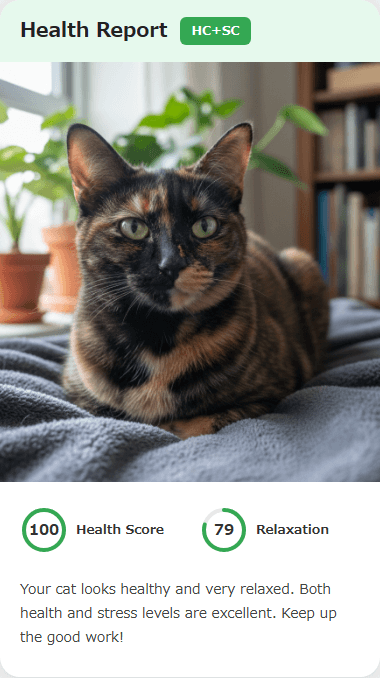
One-off hiccups? No big deal. But if you've noticed your cat hiccupping more than usual, that's when tracking becomes really valuable. The problem is, "my cat seems to hiccup a lot" isn't very helpful information for your vet. What they need is specifics — how often, when it started, and what else is going on. That's where CatsMe comes in. It's a health-tracking app designed specifically for cat owners who want to stay ahead of potential problems. What CatsMe does for you: - AI-powered daily health scores — Snap a photo of your cat each day and CatsMe's facial expression analysis detects subtle changes in wellbeing that are hard to spot with the naked eye - Symptom logging with pattern detection — Record hiccups, coughing, vomiting, or any other symptoms. Over time, you'll see clear patterns: are hiccups increasing? Do they always happen after a certain food? - Eating behavior tracking — Monitor whether your cat is a speed eater, and see how dietary changes affect their health over time - Ready-made vet reports — Walk into your vet appointment with hard data like "hiccup episodes went from twice a month to twice a week over the past 6 weeks" instead of guessing Catching small changes early is the single best thing you can do for your cat's long-term health. A 30-second daily check-in is all it takes. Try CatsMe now →
CatsMe

Could you answer "when did this start?"

When your vet asks, don't be left guessing. CatsMe automatically logs daily health scores you can share with one tap.

しゃっくり横隔膜早食い毛球猫の健康薬剤多頭飼い
Share:𝕏fLINE

FAQ

CatsMe

Be ready the moment you sense something's off

You're reading this because you care deeply about your cat's health. With CatsMe, you can run an AI health check the instant worry strikes.