

The Bottom Line: Early Detection Is Everything for Feline Kidney Disease
Chronic kidney disease (CKD) is the most common illness in senior cats, affecting roughly 30–40% of cats over age 10. The tricky part is that early-stage CKD is virtually silent — by the time most owners notice something is off, over 65% of kidney function may already be gone. That is why routine bloodwork once or twice a year for cats aged 7 and older is the single best way to catch it early. When CKD is detected in its initial stages, a combination of prescription diet and medication can preserve a good quality of life for years. The key takeaway: do not wait for symptoms — proactive screening saves lives.
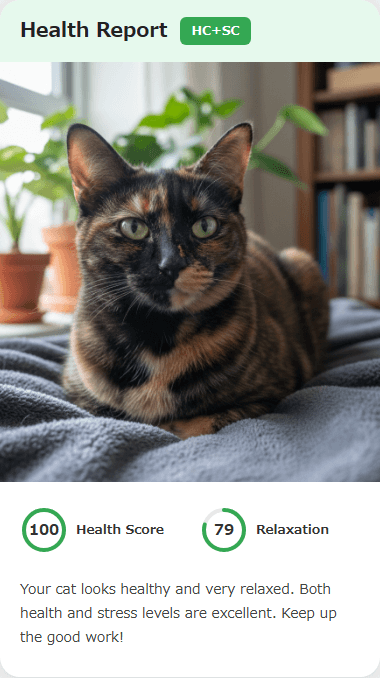

Worried about these symptoms?
You just read the warning signs — now is the moment to start watching daily.
Don't wait and wonder. CatsMe's AI analyzes your cat's photo to flag health concerns in seconds.
Used by 380,000+ cat owners in 50 countries


Early Symptom Checklist for Kidney Disease in Cats
If you notice even one of the following signs, kidney disease should be on your radar:
- Drinking noticeably more water (increased thirst)
- Urinating more frequently or in larger amounts
- Gradual, unexplained weight loss
- Declining appetite
- Dull, unkempt coat
- More frequent vomiting
- Bad breath with an ammonia-like smell
A sudden spike in water consumption is one of the hallmark early red flags for CKD. If your cat is drinking excessive amounts of water, schedule a vet visit sooner rather than later. Many of these symptoms overlap with other conditions, so bloodwork is essential to pinpoint the cause. The earlier you act, the more options you will have.
IRIS Staging System and Treatment Approach
The International Renal Interest Society (IRIS) classifies feline CKD into four stages, and each stage calls for a different treatment strategy.
Stage 1 (Non-azotemic): Blood values look nearly normal; the only clue is dilute urine. Management focuses on switching to a renal diet and monitoring via SDMA testing.
Stage 2 (Mild azotemia): Creatinine is slightly elevated. Phosphorus-restricted diet and encouraging water intake become priorities, with phosphate binders added as needed.
Stage 3 (Moderate azotemia): Obvious clinical signs appear — increased thirst, appetite loss, and vomiting. A multimodal approach with subcutaneous fluids, anti-nausea medication, and blood pressure drugs is typically required.
Stage 4 (Severe azotemia): Uremic toxins build up significantly. Care shifts toward hospitalized IV fluids and palliative support to keep the cat comfortable.
Dietary Management for Cats with Kidney Disease
Cats with CKD benefit enormously from a low-protein, low-phosphorus, low-sodium prescription diet.
Veterinary renal diets (such as Royal Canin Renal Support or Hill's k/d) are the cornerstone of nutritional management. Research shows that cats switched to a renal diet live roughly twice as long as those kept on regular food.
Boosting water intake is equally important: prioritize wet food over kibble, set up multiple water stations around the house, and consider a pet water fountain to encourage drinking.
If your cat refuses the new food, transition gradually by mixing increasing amounts of the renal diet into the old food over 7–10 days. Never force-feed — stress makes things worse. Check out our cat nutrition guide for more practical feeding tips.
Home Care and Monitoring Tips
Weigh your cat weekly: Use the same scale under the same conditions and log the number. A sudden drop — even half a pound — can signal that the disease is progressing.
Track water intake: Fill the water bowl with a measured amount each morning and check how much is left the next day. A noticeable increase in consumption warrants a vet call.
Monitor urine color and volume: Very pale, watery urine produced in large quantities is a classic sign of declining kidney function.
The CatsMe app lets you log daily health data and view trends over time in easy-to-read graphs. You can also share these records directly with your veterinarian during online consultations, giving them a clearer picture of how your cat is doing between visits.
Early Detection: Warning Signs That Are Easy to Miss
The earliest signs of kidney disease are subtle enough to blend into the backdrop of daily life. The most commonly overlooked change is a slight increase in water consumption. Because cats are naturally low-volume drinkers, even a modest uptick deserves attention. Owners who measure water intake daily are far more likely to catch this red flag than those who simply refill the bowl when it looks low.
Easily missed warning signs include:
- Litter box clumps that have gradually gotten larger
- A marginal increase in sleeping hours
- A slight decline in grooming frequency, leading to a less tidy coat
- Decreased interest in a previously favorite food
- Mild constipation, which can result from chronic low-grade dehydration
Individually, each of these changes is easy to dismiss. When several appear together, however, the probability of early-stage CKD rises significantly. This is especially true for cats aged seven and older, where age-related kidney decline is already underway at a microscopic level. Keeping a daily health log in the CatsMe app transforms vague impressions into objective data that you and your veterinarian can act on. If your cat seems less energetic than usual, a kidney function screen is a wise next step. Early intervention at this stage — before bloodwork turns obviously abnormal — offers the best chance of slowing progression and preserving quality of life for years to come.
Diagnostic Tests & Costs for Feline Kidney Disease
Catching kidney disease early requires a combination of tests, each offering a different window into renal function.
Basic blood panel (BUN and creatinine): Costs roughly $25 to $40 (¥3,000–5,000). These are the traditional kidney markers, but they have a well-known blind spot: values stay within the normal range until approximately 75% of kidney function has already been lost. That means a "normal" result does not guarantee healthy kidneys.
SDMA test: Around $25 to $40 (¥3,000–5,000). This newer biomarker can detect declining function when only about 40% has been lost — significantly earlier than creatinine. It is strongly recommended for cats aged seven and older as part of routine screening.
Urinalysis (specific gravity and urine protein): About $15 to $30 (¥2,000–4,000). Urine concentration ability is one of the very first things to deteriorate in CKD, making this test an invaluable early indicator.
Abdominal ultrasound: Approximately $40 to $80 (¥5,000–10,000). Provides a direct look at kidney size, shape, and internal structure, helping rule out stones, tumors, and congenital abnormalities.
Blood pressure measurement: Around $8 to $25 (¥1,000–3,000). Hypertension is a common and damaging complication of CKD that can cause sudden blindness if left untreated.
The annual cost for a comprehensive kidney screening package comes to roughly $100 to $250 (¥15,000–30,000). Compared to the expense of managing advanced kidney disease — and, more importantly, the impact on your cat's comfort — this is one of the best investments a pet owner can make. You can also discuss test results with a veterinarian through Carelogy's online consultation service for added convenience.
Living with Kidney Disease: Long-Term Management Strategies
A kidney disease diagnosis is not a death sentence — with thoughtful management, many cats live comfortably for years after their initial diagnosis. The cornerstone of long-term care is catching changes early and responding proactively before small shifts become big problems.
Subcutaneous fluids at home: From mid-Stage 2 onward, veterinarians often recommend at-home subcutaneous fluid administration. With proper training from your vet team, the procedure is straightforward and takes only about ten minutes per session. It combats dehydration, flushes waste products, and noticeably improves how cats feel on a day-to-day basis. Monthly cost is roughly $25 to $40 (¥3,000–5,000) for supplies.
Regular blood work: Depending on the stage, recheck intervals range from every two months to every six months. Tracking trends over time — rather than fixating on a single number — is what allows your veterinarian to fine-tune the treatment plan before problems escalate.
Quality-of-life checklist to review weekly:
- Is your cat still enjoying meals?
- Does your cat seek out interaction with family members?
- Is your cat resting comfortably in favorite spots?
- Are there any visible signs of pain or distress?
Multi-cat households: Renal diets are safe for healthy adult cats to eat, so accidental sharing is not harmful. However, growing kittens need higher protein and phosphorus, so feed them separately. If food management is tricky, consider feeding in different rooms with the doors closed.
The CatsMe app is an excellent tool for logging daily observations over the long haul. When you share this data during an online veterinary consultation, your vet gets a clear, objective picture of trends — leading to more precise advice and better outcomes for your cat.
Caught something concerning? Keep a record.
If these symptoms return, a record helps your vet act faster. CatsMe logs your cat’s daily health score so you can show exactly what changed — and when.
腎臓病CKD多飲多尿シニア猫猫の病気腎不全
FAQ
References
This article is compiled and summarized by the Carelogy editorial team based on publicly available information from the following veterinary organizations, universities, and clinical manuals.
- International Renal Interest Society (IRIS). IRIS Staging of CKD (Chronic Kidney Disease) — Modified 2023 (2023).
- International Society of Feline Medicine (ISFM). ISFM Consensus Guidelines on the Diagnosis and Management of Feline Chronic Kidney Disease (2016).
- AAFP / AAHA. AAFP/AAHA Feline Life Stage Guidelines (2021).
- Cornell Feline Health Center. Chronic Kidney Disease — Feline Health Topics (2023).
- MSD Veterinary Manual. Chronic Kidney Disease in Small Animals (2023).
 CatsMe
Be ready the moment you sense something's off
Take one photo and the AI reads pain and condition from your cat's expression. Check the moment you wonder, and share the record with your vet.