

Why Is My Cat Shaking? The Short Answer
Most of the time, a cat shaking or trembling is not an emergency. Your cat is probably just cold, stressed, or twitching in a dream. But in some cases, cat shivering is your first warning sign of pain, low blood sugar, or a neurological problem that needs veterinary attention right away.
Here is a quick way to tell the difference.
When cat trembling is probably harmless:
- Your cat is shivering in a chilly room and stops once you warm the space up or offer a blanket
- The shaking started right after a stressful event — a thunderstorm, fireworks, a car ride, or a stranger in the house — and goes away once your cat calms down
- Your cat's paws or whiskers twitch during sleep. This is normal REM sleep activity, not tremors
When cat shaking means you need a vet now:
- The trembling has lasted longer than 15 minutes with no obvious trigger
- Your cat is also vomiting, unusually lethargic, or refusing food
- You notice wobbly, uncoordinated walking (vets call this ataxia)
- Your cat's body goes stiff, they lose consciousness, or they urinate involuntarily — these are signs of a seizure, which is a medical emergency
If you are reading this because your cat is shaking right now, check the environment first: is the room cold? Is something scary going on? If neither explains it and the trembling continues, call your vet.
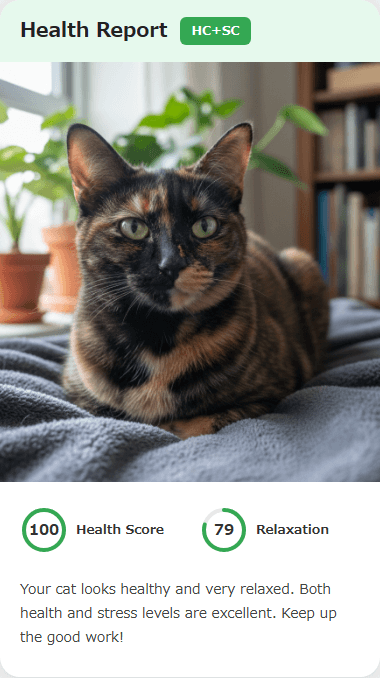

Worried about these symptoms?
You just read the warning signs — now is the moment to start watching daily.
Don't wait and wonder. CatsMe's AI analyzes your cat's photo to flag health concerns in seconds.
Used by 380,000+ cat owners in 50 countries


7 Reasons Your Cat Is Shaking, Trembling, or Shivering
Cat shaking and trembling has seven common causes. Some are harmless, others need urgent care. Here is what to look for with each one.
1. Cold — the most common reason a cat is shivering
Cats maintain a normal body temperature between 100.4 and 102.5 °F (38.0–39.2 °C). When it drops below about 98.6 °F (37 °C), your cat will start shivering to generate heat. Kittens, senior cats, and short-haired or hairless breeds like the Sphynx are especially vulnerable. If your cat is shaking and the room feels cool, this is almost certainly the cause.
2. Fear and stress
A scared cat trembles. Common triggers include thunderstorms, fireworks, vacuum cleaners, car rides, vet visits, and unfamiliar people or animals in the home. You will usually see other signs too — hiding, flattened ears, a puffed-up tail, and wide pupils. The trembling stops once the stressor is gone.
3. Pain
Cats are masters at hiding discomfort, but trembling is one involuntary pain signal they cannot fake away. If your cat is shaking and flinches, hisses, or cries when you touch a specific area, suspect pain. Common culprits include bladder inflammation (cystitis), arthritis — especially in older cats — dental disease, and internal injuries.
4. Low blood sugar (hypoglycemia)
This is especially dangerous in young kittens and diabetic cats on insulin. The telltale combination is trembling plus extreme lethargy plus wobbly walking. This is an emergency. Rub a tiny amount of honey or corn syrup on the gums and head to the vet immediately — minutes matter.
5. Fever and infection
Just like people, cats shiver when they have a fever. When an infection pushes body temperature above 104 °F (40 °C), the body generates chills. Your cat may also feel warm to the touch and be unusually quiet. Read our guide on cat fever signs for details on how to spot this.
6. Kidney disease (uremia)
In cats with advanced chronic kidney disease, toxins build up in the bloodstream. This causes muscle tremors and twitching, especially in the hind legs. If your senior cat is shaking, drinking a lot more water than usual, and urinating frequently, kidney disease is a strong possibility. Blood work can confirm it.
7. Neurological problems
Brain tumors, vestibular disease (an inner-ear condition), and the buildup to a seizure can all cause tremors in cats. Red flags include a head that tilts to one side, eyes that flick back and forth rapidly (nystagmus), and loss of balance. Any of these signs alongside trembling means your cat needs a vet today, not tomorrow.
What to Do When Your Cat Is Shaking — Home Care & When to Call the Vet
If your cat is trembling right now, here is exactly what to do step by step.
Step 1 — Rule out cold.
Is the room below 73 °F (23 °C)? Offer a warm blanket or turn the heat up. Use only pet-safe heating pads — human ones get too hot and can burn your cat. For kittens, wrap a hot water bottle in a towel and place it near (not directly against) the body. If the shivering stops within a few minutes of warming up, you have found your answer.
Step 2 — Rule out fear and stress.
Did something scary just happen — a loud noise, a new pet, a car ride? Move your cat to a quiet, dimly lit room and let them settle on their own. Do not pick up or restrain a frightened cat; this usually makes the panic worse and can get you scratched. A Feliway pheromone diffuser can help cats who get stressed regularly.
Step 3 — Check for other symptoms.
If your cat is not cold and not scared, look carefully for anything else: vomiting, refusing food, walking unsteadily, crying when touched, or seeming unusually limp. Any of these alongside trembling means call your vet.
The 15-minute rule:
If your cat's trembling has no clear cause and does not stop within 15 minutes, take their temperature with a rectal thermometer.
- Below 98.6 °F (37 °C) → hypothermia. Warm your cat gently and go to the vet.
- Above 103.1 °F (39.5 °C) → fever. Go to the vet.
- Normal temperature but still shaking → possible pain, neurological issue, or metabolic problem. Go to the vet.
The CatsMe app lets you log trembling episodes and track health scores over time, so you can show your vet exactly when symptoms started and how often they happen — information that is surprisingly hard to remember accurately on your own.
What Will the Vet Do? Tests, Diagnosis & Costs for Cat Tremors
When you bring a trembling cat to the vet, here is what typically happens and what it costs.\n\nDiagnostic tests your vet may run:\n\n- Physical exam and temperature check ($8-25 / ¥1,000-3,000, included in the consultation fee) — The vet takes your cat's temperature to check for hypothermia or fever, then carefully feels the body to locate any painful areas.\n- Blood work ($40-80 / ¥5,000-10,000) — This is usually the most important test. It checks blood sugar (to rule out hypoglycemia), kidney values (BUN and creatinine), thyroid hormone levels, and inflammation markers. For a shaking cat, blood work alone often reveals the cause.\n- Urinalysis ($16-25 / ¥2,000-3,000) — Screens for kidney disease and diabetes, both of which can cause cat trembling.\n- X-rays ($40-80 / ¥5,000-10,000) — Used when the vet suspects fractures, joint problems, or chest issues involving the heart or lungs.\n- Neurological exam (often included, up to $40 / ¥5,000) — The vet tests reflexes, watches your cat walk, and checks pupil responses to assess brain and nerve function.\n- MRI or CT scan ($400-800 / ¥50,000-100,000) — Only recommended when a brain tumor, spinal cord problem, or other structural neurological issue is suspected. Not a routine test.\n\nWhat treatment might cost:\n- Low blood sugar emergency (IV fluids and glucose): $40-120 / ¥5,000-15,000\n- Pain from cystitis or arthritis (medication and treatment): $80-240 / ¥10,000-30,000\n- Epilepsy management (ongoing anti-seizure medication): roughly $25-40 per month / ¥3,000-5,000\n\nPro tip: Record a video of your cat shaking before you go to the vet. Trembling episodes often stop by the time you arrive at the clinic, and a video gives your vet critical information. You can also start with an online consultation to get initial guidance.
Cat Shaking While Sleeping: Is It Normal?
If you have ever watched your cat sleep and noticed their paws twitching, their whiskers vibrating, or tiny chirping sounds coming from their mouth, you have probably wondered whether something is wrong. The short answer: almost always, this is completely normal.
Cats, like humans, go through sleep cycles that include REM (rapid eye movement) sleep — the phase where dreaming occurs. During REM sleep, the brain is highly active, sending electrical signals that cause small involuntary muscle movements. Your cat is literally acting out fragments of a dream, perhaps chasing a mouse or batting at a feather toy. These twitches are brief, gentle, and limited to specific body parts like the paws, tail, ears, or whiskers.
How to tell if your cat is just dreaming:
- The twitching is small and rhythmic — paws paddling gently, tail flicking, whiskers quivering
- It lasts only a few seconds to maybe a minute at a time
- If you say your cat's name or gently touch them, they wake up normally and seem perfectly fine
- Only parts of the body move — there is no full-body rigidity
How to tell if it might be a seizure:
- The entire body goes stiff and rigid
- The legs paddle violently or jerk in large, uncontrolled movements
- Your cat does not respond to their name or to being touched — they are unconscious
- You may see drooling, foaming at the mouth, or involuntary urination or defecation
- After the episode ends, your cat seems confused, disoriented, or wobbly for minutes to hours (this is called the postictal phase)
Kittens twitch more than adult cats, and that is expected. In the first few months of life, a kitten's nervous system is still developing and forming neural connections. Sleep twitching — sometimes called "activated sleep" by researchers — is believed to play an important role in this development. You may notice your kitten's entire body jerking during sleep far more dramatically than an adult cat. This is normal and gradually decreases as they mature.
The best thing you can do if you are unsure whether your cat is dreaming or having a seizure is to record a video on your phone. Do not try to wake your cat or hold them still — just film quietly. A veterinarian can often tell the difference between normal sleep twitching and a seizure within seconds of watching the footage. This is far more useful than trying to describe the episode from memory at the clinic.
Senior Cat Trembling: Age-Related Causes
When a senior cat — generally one over the age of seven — starts trembling regularly, the cause list shifts significantly compared to a younger cat. While a young cat's shaking is often explained by cold or stress, an older cat's trembling frequently points to an underlying age-related disease that needs veterinary attention.
1. Arthritis pain
Studies show that approximately 90 percent of cats over 12 have some degree of degenerative joint disease. Arthritic pain causes muscle tension and trembling, particularly noticeable on cold days, in the morning, or after your cat has been lying in one position for a long time. Other clues include reluctance to jump, avoiding high surfaces they once loved, difficulty getting in and out of the litter box, and a stiff gait.
2. Chronic kidney disease (CKD)
Kidney disease is one of the most common diagnoses in senior cats. As the kidneys lose function, toxic waste products like urea and creatinine accumulate in the bloodstream — a condition called uremia. This buildup directly irritates muscles and nerves, leading to fine muscle tremors, particularly in the hind legs. Watch for the classic triad: increased thirst, increased urination, and weight loss alongside the trembling.
3. Hyperthyroidism
An overactive thyroid gland affects roughly 10 percent of cats over age ten. The excess thyroid hormone (T4) revs up the entire metabolism, causing muscle tremors, weight loss despite an excellent appetite, a rapid heart rate, and restless behavior. The good news: diagnosis is a simple blood test measuring T4 levels, and treatment — either daily medication (methimazole), a prescription diet, radioactive iodine therapy, or surgery — is highly effective.
4. Neurological decline
Age-related degeneration of the brain and nervous system can produce subtle tremors, a wobbly walk, or a head tilt. In some cats, this is an early sign of cognitive dysfunction syndrome (CDS) — the feline equivalent of dementia. Other CDS symptoms include nighttime vocalization, disorientation in familiar rooms, and altered sleep-wake cycles.
How to care for a trembling senior cat:
- Increase vet visits to twice a year once your cat turns seven. A comprehensive check with blood work and urinalysis can catch kidney disease and hyperthyroidism months before you notice symptoms at home
- Pain management matters. For arthritis, your vet may prescribe an NSAID like meloxicam or the newer monthly injection Solensia (frunevetmab), a monoclonal antibody specifically designed for feline osteoarthritis pain with minimal side effects
- Make the home comfortable. Add step stools near beds and couches, provide heated cat beds or self-warming pads, use rugs or mats on slippery floors, and switch to a litter box with low sides for easy entry
- Track trends, not single events. A single trembling episode in a senior cat may not mean much. A pattern of weekly or daily trembling episodes almost certainly does. The CatsMe app is especially valuable here because it lets you log episodes and see the trend over time.
First Aid & Home Care for a Shaking Cat
If your cat is shaking right now and you need to know what to do, follow these steps in order.
Step 1 — Stay calm and observe.
Before you do anything, take 30 seconds to assess the situation. Note when the trembling started, which part of the body is affected (the whole body versus just the legs or head), and whether there are any other symptoms — vomiting, drooling, wobbliness, crying, or loss of consciousness. These details will be critical if you end up calling the vet.
Step 2 — Keep your cat warm.
Gently wrap your cat in a soft blanket or towel. If you have a pet-safe heating pad, set it to the lowest setting and place it under (not on top of) the blanket. A hot water bottle wrapped in a towel works well too — never place it directly against the skin. Adjust the room temperature to between 73 and 79 °F (23–26 °C). For kittens, warmth is even more critical because they lose body heat rapidly.
Step 3 — Check the gums.
Gently lift your cat's upper lip and look at the color of the gums above the teeth.
- Pink — Normal circulation. This is a good sign.
- Pale white or bluish — Possible shock, anemia, or severe hypothermia. This is an emergency. Go to the vet now.
- Yellowish — Possible liver problem. Schedule a vet visit promptly.
Also press a finger against the gum for one second and release. The color should return within two seconds. If it takes longer, blood circulation is compromised.
Step 4 — Offer food or a sugar source.
If your cat is conscious and alert, offer a small amount of wet food or low-sodium chicken broth. If you suspect low blood sugar — especially in a kitten or a diabetic cat — rub a small amount of honey, maple syrup, or corn syrup directly onto the gums. The sugar absorbs through the mucous membranes even if the cat does not swallow. Never force-feed a cat that is unconscious or barely responsive — food or liquid can enter the airway and cause aspiration pneumonia, which is life-threatening.
Step 5 — Record everything.
Pull out your phone and record a video of the trembling episode. Veterinarians consistently say that a 30-second video is more diagnostically valuable than a five-minute verbal description from the owner. Also note the time the trembling started, how long it lasts, and what your cat was doing right before. Log it in the CatsMe app if you have it, so you have a permanent record.
What you must NEVER do:
- Do NOT hold down or restrain a cat during a seizure. You risk breaking their bones, getting bitten severely, and you will not stop the seizure
- Do NOT put anything in a seizing cat's mouth. Cats cannot swallow their tongues — this is a myth
- Do NOT give food or water to an unconscious or semi-conscious cat
- Do NOT give human medication — especially acetaminophen (Tylenol), which is fatally toxic to cats even in tiny doses. Ibuprofen is also extremely dangerous
When home care is enough:
If the trembling was clearly caused by cold and stops within 5–10 minutes of warming up, and your cat then behaves completely normally — eating, walking, and interacting as usual — home care is sufficient. Similarly, if the shaking was triggered by a specific stressor (thunderstorm, vet visit) and resolves once the stressor is gone, no vet visit is needed.
When you need the emergency vet:
Trembling lasting longer than 15 minutes with no clear cause. Any seizure activity (rigid body, loss of consciousness). Pale or blue gums. Semi-conscious or unresponsive behavior. Vomiting alongside the trembling. Severe pain response when touched. In these situations, do not wait — minutes can matter.
Drug-Induced & Toxin-Related Tremors in Cats
Toxins and medications are an often-overlooked cause of trembling in cats — and they can escalate from tremors to seizures to organ failure within hours. If your indoor cat suddenly starts shaking with no obvious cause, immediately consider whether they may have ingested something toxic.
Common household toxins that cause cat tremors:
1. Lily plants — Every part of a lily (Lilium and Hemerocallis species) is fatally toxic to cats. This includes Easter lilies, tiger lilies, Asiatic lilies, and daylilies. Even drinking water from a vase containing lilies can cause acute kidney failure. Early signs include vomiting, loss of appetite, and trembling within 6-12 hours of exposure. Without treatment, kidney failure develops within 24-72 hours and is often fatal. If you have cats, remove all lilies from your home.
2. Permethrin (dog flea/tick products) — This is one of the most common poisoning emergencies in cats. Permethrin is safe for dogs but extremely toxic to cats because they lack the liver enzyme (glucuronyl transferase) needed to metabolize it. Symptoms include severe muscle tremors, twitching, seizures, and can be fatal. The most common scenario: an owner applies a dog-strength flea product to their cat, or a cat grooms a recently-treated dog. Never use dog flea products on cats.
3. Chocolate and caffeine — Theobromine in chocolate causes tremors, rapid heart rate, hyperactivity, and seizures. Dark chocolate and baking chocolate are the most dangerous. Coffee, tea, and energy drinks pose similar risks.
4. Essential oils — Tea tree oil, peppermint oil, eucalyptus, cinnamon, and citrus oils are all toxic to cats. Even oil diffusers can create airborne particles that settle on fur and are ingested during grooming. Signs include trembling, drooling, difficulty breathing, and liver damage.
5. Human pain medications — Acetaminophen (Tylenol/paracetamol) is one of the most dangerous household substances for cats. A single regular-strength tablet can kill a cat. It destroys red blood cells and causes liver failure. Ibuprofen (Advil) causes kidney failure and stomach ulcers. Never give any human medication to a cat without explicit veterinary instruction.
Prescription drug side effects:
- Metronidazole (an antibiotic commonly prescribed for GI infections) can cause neurological toxicity at higher doses, leading to tremors, head tilts, and ataxia (wobbly walking)
- Meloxicam (a pain reliever for arthritis) may cause trembling in cats with reduced kidney function
What to do if you suspect poisoning:
Bring the packaging, plant, or substance to the vet with you. Do not try to induce vomiting at home unless your vet specifically instructs you to do so. Time is critical — most toxins have a narrow window where treatment is most effective.
Breed-Specific Tremor Risks & Genetic Predispositions
Certain cat breeds carry genetic predispositions that make them more susceptible to conditions causing tremors. Knowing your cat's breed can be a valuable diagnostic clue.
Burmese — Burmese hypokalemic polymyopathy is an inherited muscle disorder specific to this breed. It causes episodes of generalized muscle weakness and trembling due to dangerously low potassium levels. Episodes can be triggered by stress or exercise. Treatment involves potassium supplementation, and genetic testing is available.
Maine Coon & Ragdoll — These large breeds have elevated risk for hypertrophic cardiomyopathy (HCM), the most common heart disease in cats. HCM can lead to aortic thromboembolism (ATE) — a blood clot that suddenly cuts off circulation to the hind legs, causing acute trembling, paralysis, and severe pain. Genetic testing for the HCM mutation (MyBPC3) is recommended for breeding cats of these breeds.
Siamese & Oriental — Congenital vestibular disease can cause a characteristic head tremor (head bobbing) in these breeds, sometimes visible from birth. While it often improves with age, persistent vestibular signs should be evaluated by a neurologist.
Persian & Exotic Shorthair — Polycystic kidney disease (PKD) affects up to 38% of Persians worldwide. As the disease progresses to end-stage renal failure, uremic toxins accumulate and cause muscle tremors, twitching, and weakness.
Bengal — Pyruvate kinase deficiency (PKDef) is an inherited red blood cell disorder causing chronic intermittent anemia. Affected cats may show trembling, weakness, and exercise intolerance. DNA testing is available and recommended before breeding.
Munchkin — Their characteristic short legs place additional structural stress on joints, making arthritis-related pain tremors more likely as they age compared to breeds with standard leg length.
Mixed-breed cats — While they generally have lower risk for breed-specific genetic diseases (hybrid vigor), they are equally susceptible to environmental causes of trembling such as toxin exposure, infections, and metabolic disorders.
Knowing your cat's breed helps narrow down the possible causes of trembling significantly. Check our breed-specific health risk guides for detailed information about your cat's genetic predispositions.
Nutritional Deficiencies That Cause Tremors & Recovery Timelines
The encouraging news about nutritional tremors: they are among the most treatable causes, often resolving completely with proper supplementation. Here is what to know about each deficiency and how quickly you can expect improvement.
Thiamine (Vitamin B1) deficiency
This is more common than most owners realize. Cats that eat raw fish regularly are at highest risk because raw fish contains thiaminase, an enzyme that destroys thiamine. Certain commercial diets that have been improperly stored or manufactured can also be thiamine-deficient. Symptoms progress in a characteristic pattern: first loss of appetite, then head tremors, then a distinctive neck flexion where the chin tucks toward the chest (ventroflexion), dilated pupils, and eventually seizures if untreated. Recovery timeline: Thiamine injections produce noticeable improvement within 24-48 hours. Most cats return to normal within 1-2 weeks with continued supplementation. However, if neurological damage has progressed too far before treatment, some effects may be permanent — which is why early detection matters.
Hypokalemia (low potassium)
Common in cats with chronic kidney disease because damaged kidneys waste potassium in the urine. Also seen in cats on certain diuretic medications. Signs include generalized muscle weakness (the whole body feels floppy), head drooping, difficulty walking, and in severe cases the cat cannot lift its head at all. Recovery timeline: Potassium supplementation (oral or IV depending on severity) typically shows improvement within a few days to one week. However, the underlying cause — usually kidney disease — requires ongoing management to prevent recurrence.
Hypomagnesemia (low magnesium)
Seen in cats with chronic GI disease, poor appetite, or certain metabolic conditions. Magnesium is critical for nerve and muscle function, so deficiency causes muscle spasms, trembling, and sometimes cardiac arrhythmias. Recovery timeline: Magnesium supplementation leads to improvement within 1-2 weeks, though the underlying cause needs to be addressed.
Hypoglycemia (low blood sugar)
Most common in kittens (who burn through glucose reserves quickly) and in diabetic cats receiving too much insulin. Symptoms include whole-body trembling, weakness, disorientation, and collapse. Recovery timeline: This is the fastest recovery of any nutritional cause — sugar applied to the gums produces improvement within minutes to a few hours. However, the episode itself can be fatal if not treated promptly, so speed matters.
Prevention:
- Feed a complete and balanced commercial cat food as the primary diet. Homemade diets, while well-intentioned, frequently lack critical nutrients unless formulated by a veterinary nutritionist
- Avoid feeding raw fish regularly — occasional cooked fish as a treat is fine
- For senior cats, include potassium and magnesium levels in regular blood work (at least annually, ideally every 6 months after age 10)
- If your cat is on insulin, follow your vet's dosing instructions precisely and watch for trembling as a sign of hypoglycemia
Track Your Cat's Shaking Episodes with CatsMe
One episode of cat shaking is usually nothing to worry about. But what if it happens again next week? Or the week after that? The biggest challenge cat owners face is not the trembling itself — it is remembering the details. When did it start? How long did it last? Was your cat also eating less around the same time? Most people cannot answer these questions accurately when the vet asks, and that makes diagnosis harder.\n\nThis is exactly the problem CatsMe was built to solve.\n\nAI-powered facial analysis — CatsMe uses computer vision to scan your cat's face for subtle signs of pain and discomfort that are nearly impossible for humans to detect: slight eye squinting, changes in ear angle, tension around the mouth. These are scientifically validated pain indicators in cats.\n\nHealth score over time — Every day, you get a numerical health score. Over weeks and months, this creates a clear trend line. You can see that your cat's scores started dipping two weeks ago, even if the trembling only started yesterday.\n\nMulti-symptom pattern detection — CatsMe connects the dots between symptoms that seem unrelated. Trembling plus decreased appetite plus drinking more water? That combination is a classic early sign of kidney disease in older cats, and CatsMe flags it.\n\nVet-ready health reports — Walk into your vet appointment with a clear timeline showing exactly when symptoms appeared, how frequently they occurred, and what other changes happened at the same time. This saves your vet time and leads to faster, more accurate diagnoses.\n\nIf your cat is 7 years or older, daily health tracking is not optional — it is the most effective way to catch diseases like kidney failure, hyperthyroidism, and diabetes early, when treatment works best.\n\nTry CatsMe now →
Caught something concerning? Keep a record.
If these symptoms return, a record helps your vet act faster. CatsMe logs your cat’s daily health score so you can show exactly what changed — and when.
震えブルブル痛み低血糖神経疾患猫の病気中毒品種別栄養欠乏子猫寝てる時ゴロゴロ
FAQ
References
This article is compiled and summarized by the Carelogy editorial team based on publicly available information from the following veterinary organizations, universities, and clinical manuals.
- Cornell Feline Health Center, Cornell University. Tremors in Cats — Health Topics (2023).
- MSD Veterinary Manual. Tremor Syndromes in Animals (2023).
- International Society of Feline Medicine (ISFM). ISFM Consensus Guidelines on the Diagnosis and Management of Hypertension in Cats (2017).
- American Association of Feline Practitioners (AAFP). Feline Hyperthyroidism Guidelines (2016).
 CatsMe
Be ready the moment you sense something's off
Take one photo and the AI reads pain and condition from your cat's expression. Check the moment you wonder, and share the record with your vet.