Bengal vs Turkish Angora
A comprehensive side-by-side comparison of Bengal and Turkish Angora covering temperament, lifespan, health risks, and care requirements to help you find your perfect match.
Overview Comparison
| Attribute | Bengal | Turkish Angora |
|---|---|---|
| Origin | United States | Turkey |
| Lifespan | 12-16 years | 12-18 years |
| Weight | 3.5-7kg | 2.5-5kg |
| Health Predispositions | 4 conditions | 3 conditions |
Characteristics Comparison
Bengal
Turkish Angora
Health Predispositions Comparison
Compare genetic and constitutional health predispositions between the two breeds.
Bengal
Hypertrophic Cardiomyopathy (HCM)
HighHCM has been reported in Bengals, causing thickening of the heart walls. Annual echocardiograms are recommended.
Progressive Retinal Atrophy (PRA)
HighA Bengal-specific PRA-b mutation causes progressive retinal degeneration and vision loss. Genetic testing is available.
Pyruvate Kinase Deficiency (PK Deficiency)
MediumAn inherited enzyme deficiency causing hemolytic anemia. Fatigue and decreased appetite are common signs.
Inflammatory Bowel Disease (IBD)
MediumBengals tend to have sensitive digestive systems and may develop IBD with chronic diarrhea and vomiting.
Turkish Angora
Hereditary Deafness
HighCongenital deafness is common in white-coated, blue-eyed individuals. The W gene affects both coat color and inner ear development.
Hypertrophic Cardiomyopathy (HCM)
MediumHCM has been reported in Turkish Angoras. Regular echocardiograms are recommended.
Ataxia
MediumA neurological condition reported in some Turkish Angoras, causing coordination issues and unsteady movement.
Care Tips Comparison
Bengal
Turkish Angora
Which Breed Is Right for You?
Bengal might be for you if...
The Bengal was developed by crossing domestic cats with Asian Leopard Cats, resulting in a stunning leopard-like rosette pattern. Despite their wild appearance, they are friendly and extremely active. They are unafraid of water and intelligent enough to learn tricks.
Learn more about BengalTurkish Angora might be for you if...
The Turkish Angora is a historic breed from Turkey, known for its silky white coat and elegant build. Highly intelligent and active, they are sociable cats who love being the center of attention. Many have heterochromatic (odd-colored) eyes, adding to their mystical beauty that is admired worldwide.
Learn more about Turkish AngoraBreed Detail Pages
 CatsMe
Prepárate para actuar en cuanto sientas que algo no va bien
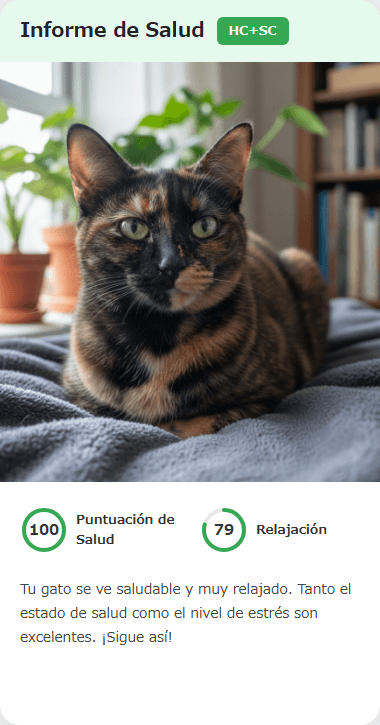
Basta una foto: la IA interpreta el dolor y el estado de salud a partir de la expresión de tu gato. Compruébalo en el momento en que te preocupes y comparte el registro con tu veterinario.