Cornish Rex vs Norwegian Forest Cat
A comprehensive side-by-side comparison of Cornish Rex and Norwegian Forest Cat covering temperament, lifespan, health risks, and care requirements to help you find your perfect match.
Overview Comparison
| Attribute | Cornish Rex | Norwegian Forest Cat |
|---|---|---|
| Origin | United Kingdom (Cornwall) | Norway |
| Lifespan | 12-15 years | 12-16 years |
| Weight | 2.5-4.5kg | 4-9kg |
| Health Predispositions | 3 conditions | 4 conditions |
Characteristics Comparison
Cornish Rex
Norwegian Forest Cat
Health Predispositions Comparison
Compare genetic and constitutional health predispositions between the two breeds.
Cornish Rex
Patellar Luxation
MediumA skeletal condition where the kneecap dislocates from its normal position. Dislocation is more likely during active play, causing lameness.
Gastrointestinal Issues
MediumMany individuals have a sensitive digestive system, prone to diarrhea and vomiting from dietary changes or low-quality food.
Hypothermia Risk
LowTheir thin coat makes temperature regulation difficult, creating a risk of hypothermia in cold environments. Room temperature management and warmth are important.
Norwegian Forest Cat
Glycogen Storage Disease Type IV (GSD IV)
HighAn inherited enzyme deficiency in glycogen metabolism causing abnormal glycogen accumulation in muscles and organs. Severe cases can be fatal in kittens.
Hypertrophic Cardiomyopathy (HCM)
HighA cardiac condition with relatively higher incidence in large breeds. Thickening of heart walls affects blood circulation.
Hip Dysplasia
MediumA developmental joint abnormality seen in large breeds. Their heavy weight increases joint stress, causing lameness and reduced activity.
Polycystic Kidney Disease (PKD)
MediumAn inherited condition where cysts form in the kidneys. Progressive disease leads to declining kidney function.
Care Tips Comparison
Cornish Rex
Norwegian Forest Cat
Which Breed Is Right for You?
Cornish Rex might be for you if...
The Cornish Rex is an elegant cat with wavy, soft coat and slender build. Their unique coat consists only of undercoat, feeling like velvet and sometimes considered more tolerable for allergy sufferers. Called 'the Greyhound of cats,' they are incredibly agile, loving to run and jump with remarkable athleticism.
Learn more about Cornish RexNorwegian Forest Cat might be for you if...
The Norwegian Forest Cat is a large, long-haired breed adapted to harsh Nordic winters, with a history stretching back to Norse mythology. Their waterproof double coat and sturdy build make them natural athletes who excel at climbing. They are gentle, patient, and deeply devoted to their families.
Learn more about Norwegian Forest CatBreed Detail Pages
 CatsMe
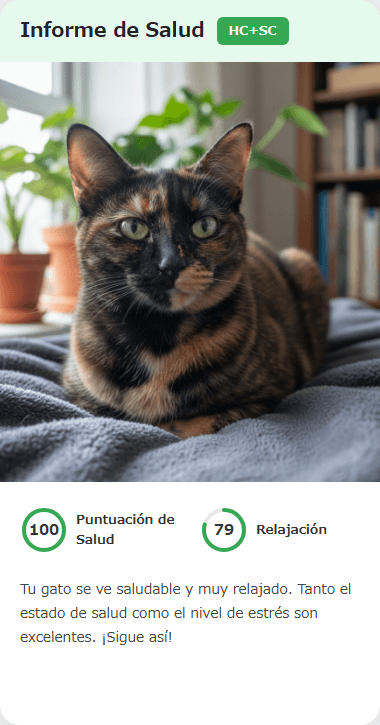
Prepárate para actuar en cuanto sientas que algo no va bien
Basta una foto: la IA interpreta el dolor y el estado de salud a partir de la expresión de tu gato. Compruébalo en el momento en que te preocupes y comparte el registro con tu veterinario.