Munchkin vs Norwegian Forest Cat
A comprehensive side-by-side comparison of Munchkin and Norwegian Forest Cat covering temperament, lifespan, health risks, and care requirements to help you find your perfect match.
Overview Comparison
| Attribute | Munchkin | Norwegian Forest Cat |
|---|---|---|
| Origin | United States | Norway |
| Lifespan | 12-15 years | 12-16 years |
| Weight | 2.5-4kg | 4-9kg |
| Health Predispositions | 3 conditions | 4 conditions |
Characteristics Comparison
Munchkin
Norwegian Forest Cat
Health Predispositions Comparison
Compare genetic and constitutional health predispositions between the two breeds.
Munchkin
Lordosis
HighExcessive spinal curvature potentially linked to the short-leg gene. Severe cases can compress organs and be life-threatening.
Pectus Excavatum
MediumA congenital condition where the breastbone sinks inward, potentially compressing the heart and lungs, causing breathing difficulties and exercise intolerance.
Osteoarthritis
MediumThe short-leg structure puts unusual stress on joints, increasing the risk of developing arthritis with age.
Norwegian Forest Cat
Glycogen Storage Disease Type IV (GSD IV)
HighAn inherited enzyme deficiency in glycogen metabolism causing abnormal glycogen accumulation in muscles and organs. Severe cases can be fatal in kittens.
Hypertrophic Cardiomyopathy (HCM)
HighA cardiac condition with relatively higher incidence in large breeds. Thickening of heart walls affects blood circulation.
Hip Dysplasia
MediumA developmental joint abnormality seen in large breeds. Their heavy weight increases joint stress, causing lameness and reduced activity.
Polycystic Kidney Disease (PKD)
MediumAn inherited condition where cysts form in the kidneys. Progressive disease leads to declining kidney function.
Care Tips Comparison
Munchkin
Norwegian Forest Cat
Which Breed Is Right for You?
Munchkin might be for you if...
The Munchkin is characterized by their short legs, beloved worldwide for their adorable appearance and cheerful personality. Despite their short legs, they are surprisingly active, cornering like a sports car. Sociable and curious, they are also famous for their 'meerkat pose'—standing on their hind legs.
Learn more about MunchkinNorwegian Forest Cat might be for you if...
The Norwegian Forest Cat is a large, long-haired breed adapted to harsh Nordic winters, with a history stretching back to Norse mythology. Their waterproof double coat and sturdy build make them natural athletes who excel at climbing. They are gentle, patient, and deeply devoted to their families.
Learn more about Norwegian Forest CatBreed Detail Pages
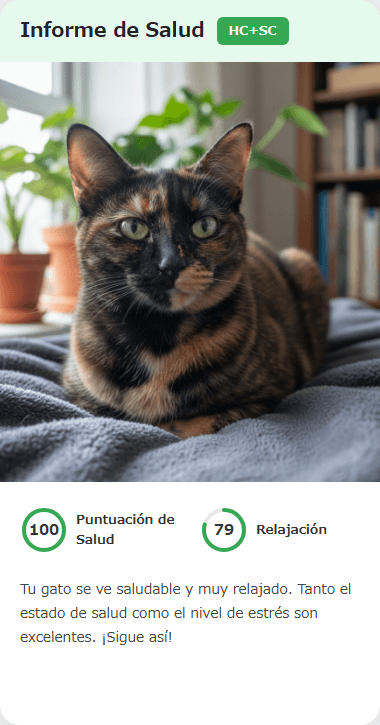
 CatsMe
Prepárate para actuar en cuanto sientas que algo no va bien
Basta una foto: la IA interpreta el dolor y el estado de salud a partir de la expresión de tu gato. Compruébalo en el momento en que te preocupes y comparte el registro con tu veterinario.