Hypertrophic Cardiomyopathy (HCM)
Sphynx cats have a high incidence of HCM, with some cases developing at a young age. Annual or more frequent echocardiograms are strongly recommended.
Detailed guide to 4 health conditions common in Sphynx, including symptoms, risk levels, and prevention tips.
Sphynx cats have a high incidence of HCM, with some cases developing at a young age. Annual or more frequent echocardiograms are strongly recommended.
Without fur to absorb oils, sebum accumulates directly on the skin, making them prone to acne and dermatitis. Regular bathing is required.
The absence of nasal hair makes them more susceptible to airborne pathogens and respiratory infections.
A skin condition specific to Sphynx cats, causing itchy reddish-brown spots due to abnormal mast cell proliferation.
 CatsMe
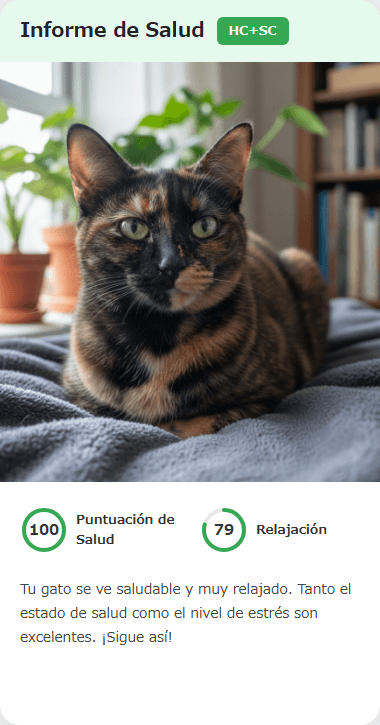
Basta una foto: la IA interpreta el dolor y el estado de salud a partir de la expresión de tu gato. Compruébalo en el momento en que te preocupes y comparte el registro con tu veterinario.