

Key Takeaway: Bright Red Spots May Wait, Dark/Black Stool Needs Urgent Care
Blood in your cat's stool can be alarming, but urgency depends heavily on the color and amount of blood.
- Small bright red spots on stool surface → possible mild inflammation near the colon or anus. This often results from minor irritation and can be monitored for 24 hours as long as your cat is eating, drinking, and behaving normally
- Large amount of bright red blood (stool appears entirely red) → colitis, polyps, or foreign body ingestion. See your vet the same day
- Black, tarry stool (sticky consistency, unusually strong odor) → bleeding in the stomach or small intestine. The dark color means blood has been digested, indicating upper GI bleeding. Seek emergency veterinary care immediately
- Bloody mucus (jelly-like) → colitis, parasites, or inflammatory bowel disease (IBD). Requires veterinary evaluation within 1-2 days
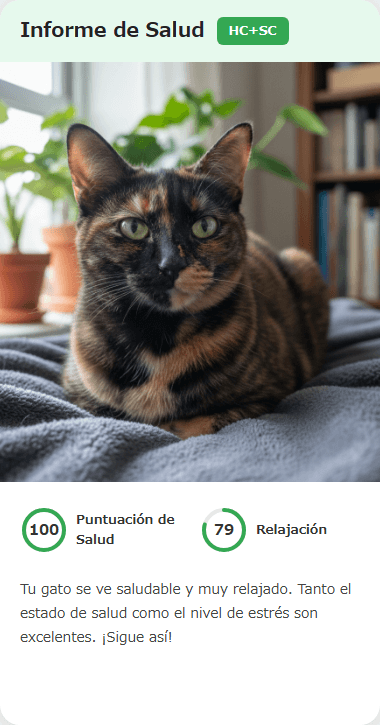

¿Te darías cuenta si algo va mal?
Los gatos ocultan el dolor. CatsMe usa IA para revisar una foto de la cara de tu gato en busca de signos de dolor en su expresión. No diagnostica enfermedades; si estás preocupado, consulta a tu veterinario.


7 Common Causes of Blood in Cat Stool
1. Sudden diet changes
Abruptly switching your cat's food can irritate the intestinal lining, causing temporary bloody stool. Always transition to new food gradually over 7-10 days by mixing increasing amounts of the new food with the old.
2. Parasites
Roundworms, tapeworms, and coccidia physically damage the intestinal wall as they feed. Kittens and outdoor cats are at highest risk. A simple fecal exam at the vet can identify the specific parasite.
3. Colitis (including stress-related)
Moving to a new home, introducing a new pet, or other stressful events can inflame the large intestine, producing mucus-coated bloody stool. Stress colitis often resolves once the trigger is removed.
4. Foreign body ingestion
Toy fragments, string, rubber bands, and other swallowed objects can scrape or puncture the intestinal wall. Vomiting often accompanies this condition. String-type foreign bodies are particularly dangerous as they can cause the intestine to bunch up.
5. Inflammatory Bowel Disease (IBD)
A chronic immune-mediated condition where the body's own immune system attacks the intestinal lining. Suspect IBD when diarrhea and bloody stool recur over weeks or months despite treatment.
6. Anal gland issues
Infected or ruptured anal glands produce bright red blood on the stool surface. Watch for scooting behavior (dragging the bottom across the floor) — this is a telltale sign.
7. Tumors (especially in senior cats)
In cats over 10 years old with chronic, unexplained bloody stool, colon polyps or intestinal lymphoma should be investigated. Early endoscopic examination significantly improves outcomes.
Home Care & When to See the Vet
What you can do at home:
- Photograph the stool — This is the single most helpful thing you can do. Vets can assess color, consistency, and blood amount from a clear photo
- Save a stool sample wrapped in plastic wrap or a sealed bag — your vet will need it for fecal testing to check for parasites and bacteria
- Switch temporarily to easily digestible food — boiled chicken breast with white rice, or a veterinary gastrointestinal diet
- Encourage water intake to prevent dehydration — offer fresh water in multiple locations, or try a cat water fountain
See a vet immediately if you notice any of these:
- Black, tarry stool (indicates upper GI bleeding)
- Large volume of blood (entire stool appears red)
- Vomiting combined with bloody stool
- Lethargy or complete loss of appetite
- Blood in stool persisting for more than 2 days
- Any bloody stool in a kitten under 6 months old
Recording stool with dates in CatsMe gives your vet a clear timeline at visits.
Veterinary Diagnosis & Treatment
Your vet will use a combination of tests to identify the underlying cause:
Diagnostic tests:
- Fecal exam (parasites & bacteria): ~¥2,000-3,000 ($15-25). The first and most important test — quick and inexpensive
- Blood work (infection markers, organ function): ~¥5,000-10,000 ($40-80). Checks for anemia, inflammation, kidney/liver values
- Abdominal ultrasound/X-ray: ~¥5,000-15,000 ($40-120). Visualizes masses, foreign bodies, or intestinal wall thickening
- Endoscopy (for chronic or unexplained cases): ~¥30,000-50,000 ($240-400). Allows direct visualization and biopsy of the intestinal lining
Common treatments by cause:
- Parasites → Deworming medication (often resolves with a single dose)
- Colitis → Anti-inflammatory drugs + prescription gastrointestinal diet
- IBD → Long-term steroid therapy + strict dietary management
- Foreign body → Endoscopic removal or surgical intervention
Record changes in your cat's expression with CatsMe
Blood in the stool is hard to judge from a single episode, so dated notes on frequency, colour and form help your vet. CatsMe (by Carelogy Inc.) uses AI to check a photo of a cat's face for signs of pain in its expression. It does not diagnose disease, assess overall health or replace a veterinarian; if you are worried, contact your vet regardless of the result.
- Keep dated records of stool, meals and face photos and check results to show your vet
- Records are kept per cat, so it works for multi-cat homes (iOS, Android and web, 14 languages)
- Developed with a background in university joint research; over 1 million checks run to date
Learn more about CatsMe →
¿Podrías responder "¿desde cuándo está así?"
CatsMe usa IA para revisar una foto de la cara de tu gato en busca de signos de dolor en su expresión y guarda registros con fecha de cada gato que puedes revisar con tu veterinario. No diagnostica enfermedades.
血便下血消化器猫の病気便の異常獣医師相談
FAQ
 CatsMe
Prepárate para actuar en cuanto sientas que algo no va bien
Haz una foto y CatsMe revisa con IA la cara de tu gato en busca de signos de dolor. Guarda registros con fecha de cada gato para revisarlos con tu veterinario. No diagnostica enfermedades.