

The Bottom Line: Frequent Scratching or Head Shaking Usually Means Otitis or Ear Mites
When a cat scratches its ears intensely or shakes its head repeatedly, otitis externa (outer ear infection) or ear mites (Otodectes cynotis) are the most likely culprits. Both conditions are fully curable with early treatment, but if left untreated they can progress to middle- or inner-ear infections, potentially causing balance problems or hearing loss. If you notice dark debris inside the ear or an unpleasant odor, schedule a veterinary exam sooner rather than later. Prompt diagnosis not only speeds recovery but also prevents the cat from causing self-inflicted wounds from excessive scratching.
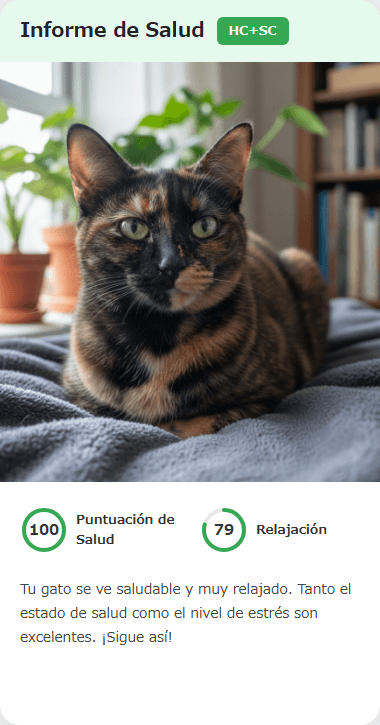

¿Te preocupan estos síntomas?
No te quedes con la duda. La IA de CatsMe analiza la foto de tu gato y detecta señales de alerta en segundos.
Más de 380.000 dueños de gatos en 50 países confían en CatsMe


Common Causes and Their Characteristics
Ear mites (Otodectes cynotis): The hallmark sign is a heavy buildup of dark brown to black, coffee-ground-like ear debris. Ear mites are highly contagious — in multi-cat households, every cat in the home is likely to become infected.
Bacterial or yeast otitis externa: Look for yellow to brown ear discharge accompanied by a strong, unpleasant odor. Malassezia yeast is a frequent cause, and recurrence is common in cats with weakened immune systems.
Allergic otitis: Food allergies or environmental allergies can trigger redness and itching in both ears simultaneously.
Ear canal polyps or tumors: When symptoms persist in only one ear, a growth inside the ear canal is possible and endoscopic examination is recommended.
What You Can — and Cannot — Do at Home
What you can do: Use a veterinary-approved cat ear cleaner to gently wipe the visible part of the outer ear. Never insert cotton swabs deep into the ear canal — doing so risks damaging the eardrum and pushing debris further inside.
What you cannot do at home: Ear mites require a prescription anti-parasitic medication (such as a spot-on treatment) from your vet; over-the-counter products are rarely effective on their own. Antibiotic and antifungal ear drops for otitis externa also require a veterinary prescription. Never use human ear medications on your cat — many contain ingredients that are toxic or irritating to feline ears.
Signs You Should Visit the Vet
See your veterinarian promptly if you notice any of the following:
- A strong, foul odor coming from the ear
- Heavy, dark-black ear discharge with visible buildup
- The cat has scratched the skin around the ear raw and it is bleeding
- Head tilt or circling — possible signs of vestibular disease
- Loss of appetite or lethargy alongside ear symptoms
- Symptoms that have not improved after two weeks of home care
A head tilt or circling behavior is especially urgent, as it may indicate an inner-ear infection or a neurological problem that requires immediate attention.
Home Care vs Emergency Room
Most cat ear problems can wait a day or two for a regular veterinary appointment, but certain symptoms demand faster action.
When home monitoring is appropriate: Mild ear scratching, a small amount of ear debris, and your cat is otherwise eating and behaving normally. Clean the visible outer ear with a veterinary-approved ear cleaner and schedule a vet visit within two to three days.
When to see a vet the same day: Intense scratching that has caused bleeding, a strong foul odor from the ear, heavy dark discharge, or decreased appetite. If you have an Elizabethan collar, put it on your cat to prevent further self-injury while you arrange the appointment.
When to go to the emergency hospital immediately: A head tilt, circling behavior, or nystagmus (involuntary eye movement) are signs of inner ear infection or vestibular disease. These symptoms may indicate involvement of the brain, and the speed of treatment significantly affects the chances of full recovery. Seek emergency care even in the middle of the night.
In multi-cat households, if ear mites are found in one cat, every cat in the home must be treated simultaneously. Treating only the symptomatic cat leads to re-infestation from untreated housemates, creating an endless cycle. Ask your vet to prescribe anti-parasitic medication for all cats at once.
What Tests Will the Vet Run & Costs
To accurately diagnose a cat's ear problem, veterinarians typically perform the following tests.
Otoscopic examination: A specialized scope is used to visualize the ear canal under magnification. This reveals ear mite organisms, the condition of the eardrum, and any polyps or masses within the canal. Cost including exam fee is typically 2,000 to 5,000 yen (approximately $15–35 USD).
Microscopic examination of ear debris: A sample of ear discharge is placed on a slide and examined under a microscope. This identifies ear mite eggs, bacteria, and yeast organisms (Malassezia). Cost is about 1,000 to 3,000 yen ($7–20 USD).
Bacterial culture and sensitivity testing: Recommended for recurrent otitis or cases that fail to respond to standard antibiotics. The test identifies the specific bacteria involved and which drugs they are susceptible to. Cost is approximately 3,000 to 8,000 yen ($20–55 USD), with results taking about one week.
X-rays or CT scan: Necessary when middle or inner ear infection is suspected, or to assess the extent of an ear canal polyp. X-rays cost roughly 3,000 to 6,000 yen ($20–40 USD); CT scans range from 15,000 to 40,000 yen ($100–270 USD).
A typical first-visit workup — otoscopic exam, microscopic evaluation, and prescribed ear medication — totals approximately 5,000 to 10,000 yen ($35–70 USD). Many pet insurance plans cover ear-related diagnostic and treatment costs.
Age-Specific Risk Factors
Kittens (under 1 year): Ear mites are by far the most common ear problem in this age group. Kittens from shelters, rescue organizations, and catteries are at especially high risk, so always request an ear check during the first veterinary visit after adoption. Because kittens have immature immune systems, outer ear infections can progress to middle ear infections more rapidly than in adults.
Adult cats (1–7 years): Allergic otitis dominates this age bracket. Food allergies and environmental allergies tend to first appear between ages two and six, so if your cat experiences recurring redness and itching in both ears, an allergy workup should be considered. Bacterial and yeast infections secondary to allergies are also common and may require long-term management strategies.
Senior cats (7 years and older): The risk of ear canal polyps and tumors increases with age. Chronic symptoms confined to one ear — regardless of treatment — should raise concern for a benign or malignant growth that requires endoscopic evaluation or advanced imaging. Age-related immune decline also makes recurrent fungal otitis more likely. Incorporating an ear check into your cat's annual or biannual health screening helps catch problems early when they are most treatable.
Consult a Vet Online About Ear Problems with Carelogy
Snap a photo or short video of the inside of your cat's ear with your smartphone and share it through Carelogy's online veterinary consultation. A licensed vet can assess the likely cause and advise on the right ear drops, proper cleaning technique, and whether prescription medication is needed. If you have multiple cats in the household, the vet can also prescribe anti-parasitic treatment for all of them in a single consultation. It is a convenient way to get expert ear care without the stress of a clinic visit for your cat.
¿Podrías responder "¿desde cuándo está así?"
Cuando tu veterinario pregunte, no te quedes sin respuesta. CatsMe registra automáticamente puntuaciones de salud diarias que puedes compartir con un solo toque.
耳を掻く外耳炎耳ダニ猫の耳頭を振る
FAQ
 CatsMe
Prepárate para actuar en cuanto sientas que algo no va bien
Basta una foto: la IA interpreta el dolor y el estado de salud a partir de la expresión de tu gato. Compruébalo en el momento en que te preocupes y comparte el registro con tu veterinario.