

Can Cats Get Seasonal Allergies?
Yes, cats can develop seasonal allergies (atopic dermatitis). However, unlike humans, cats show predominantly skin symptoms rather than sneezing and a runny nose.
Common triggers:
- Tree and grass pollen (cedar, cypress, ragweed, etc.)
- Mold spores
- House dust mites
In temperate climates, many cats flare up during spring (tree pollen season) and again in late summer to fall (ragweed and grass pollen). If your cat's symptoms follow a seasonal pattern, allergies are a likely culprit.
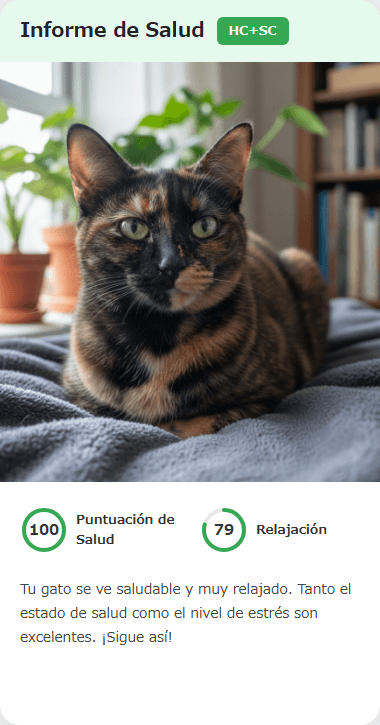

¿Te preocupan estos síntomas?
No te quedes con la duda. La IA de CatsMe analiza la foto de tu gato y detecta señales de alerta en segundos.
Más de 380.000 dueños de gatos en 50 países confían en CatsMe


Symptoms of Seasonal Allergies in Cats
Skin symptoms (most common):
- Intense scratching of the face, ears, and neck
- Hair loss from over-grooming
- Redness and rashes
- Miliary dermatitis (tiny, scab-like bumps across the skin)
Respiratory symptoms:
- Sneezing
- Runny nose
- Coughing (may worsen feline asthma)
Eye symptoms:
- Eye discharge and watery eyes
- Redness around the eyes
For a broader look at the topic, see our guide to allergies in cats.
Treatment and Home Management
Home management strategies:
- Keep windows closed during high pollen counts
- Use an air purifier with a HEPA filter
- Change clothes after coming home to avoid tracking pollen inside
- Wipe your cat's coat with a damp towel to remove pollen
- Wash bedding and vacuum carpets frequently
Veterinary treatments:
- Antihistamines: For mild symptoms
- Corticosteroids: Short-term use for severe itching
- Immunosuppressants (e.g., cyclosporine): For long-term management
- Allergen-specific immunotherapy (desensitization): Identifies the trigger and gradually builds tolerance through controlled exposure. This is the only treatment that addresses the root cause, though it requires months to take effect.
If symptoms recur at the same time each year, discuss allergy testing at your cat's annual checkup.
Step-by-Step Guide to Managing Cat Allergies
Follow this structured process to effectively manage your cat's seasonal allergies.
Step 1: Document the symptom pattern. Record when symptoms appear and what they look like. A clear seasonal pattern strongly suggests pollen allergies.
Step 2: Get a veterinary diagnosis. A health examination rules out other conditions such as flea allergy dermatitis and food allergies. Allergen-specific testing can identify the exact triggers.
Step 3: Implement environmental controls. Deploy HEPA air purifiers, change clothes upon arriving home, wipe your cat's coat with a damp cloth after peak pollen hours, and wash bedding frequently.
Step 4: Begin appropriate treatment. Work with your veterinarian to select treatment based on symptom severity.
Step 5: Establish a long-term management plan. Start preventive measures before allergy season each year. Monitor pollen counts and act proactively rather than reactively.
Common Mistakes in Managing Cat Allergies
Avoid these mistakes when managing your cat's allergies.
Mistake 1: Assuming sneezing always means cat flu. Seasonal sneezing may be allergic. If it recurs at the same time each year, allergy testing is warranted.
Mistake 2: Using human allergy medication. Human drugs may contain toxic ingredients for cats. Always use veterinary-prescribed feline medications.
Mistake 3: Long-term steroid use. While effective short-term, prolonged corticosteroid use increases the risk of diabetes and other side effects. Follow your vet's dosing instructions precisely.
Mistake 4: Relying solely on environmental controls. Mild cases may respond to environmental management alone, but moderate to severe allergies require medical treatment for adequate symptom control.
Expert Tips for Allergy-Prone Cats
Veterinary dermatology specialists recommend these advanced strategies for cats with seasonal allergies.
Regular bathing. Bathing with a hypoallergenic shampoo once or twice monthly removes pollen deposited on the skin and coat. If your cat strongly resists bathing, wiping with a damp towel is an acceptable alternative.
Omega-3 fatty acid supplementation. Fish oil supplements strengthen the skin's barrier function and can reduce itching intensity when used consistently.
Concurrent skin care management. Allergies make cats vulnerable to secondary skin infections. Breaking the itch-scratch-wound-infection cycle early is critical for preventing complications.
Preemptive medication. If your cat flares up at the same time every year, starting medication before the allergy season begins can significantly reduce symptom severity.
When to Consult a Vet About Seasonal Allergies
Visit your veterinarian if your cat's seasonal allergy symptoms include any of the following.
Severe itching with skin wounds. Scratched-open lesions are at high risk for secondary bacterial infection and may require antibiotics.
Significant hair loss. Extensive bald patches from over-grooming indicate severe allergic inflammation.
Respiratory symptoms. Coughing or worsening asthma reflects airway allergic reactions that need targeted treatment.
No improvement with home management. If two to three weeks of environmental controls produce no relief, allergen testing and prescription medication are the next step.
¿Podrías responder "¿desde cuándo está así?"
Cuando tu veterinario pregunte, no te quedes sin respuesta. CatsMe registra automáticamente puntuaciones de salud diarias que puedes compartir con un solo toque.
花粉症アレルギー季節性皮膚
FAQ
 CatsMe
Prepárate para actuar en cuanto sientas que algo no va bien
Basta una foto: la IA interpreta el dolor y el estado de salud a partir de la expresión de tu gato. Compruébalo en el momento en que te preocupes y comparte el registro con tu veterinario.