

Why Nail Trimming Matters: Claw Structure & Overgrowth Risks
Outdoor cats naturally wear down their claws through climbing and scratching rough surfaces, but indoor cats often need regular nail trims to prevent overgrowth.
Claw Anatomy
A cat's claw consists of an outer keratin shell (safe to trim) and an inner quick (containing blood vessels and nerves). In light-colored claws, the quick is visible as a pink area. Dark claws make the quick harder to see, so trim conservatively.
Risks of Overgrown Claws
- Ingrown nails: The claw curls into the paw pad, causing pain and infection
- Snagging: Claws catch on curtains or carpet, potentially breaking or causing panic
- Owner injuries: Deeper scratches during play
- Furniture damage: Scratching posts alone may not keep nails short enough
Senior cats are especially prone to thick, hard nails because they scratch less frequently. Aim to trim the front claws every 2-3 weeks and the back claws about once a month.

El compañero diario de tu gato
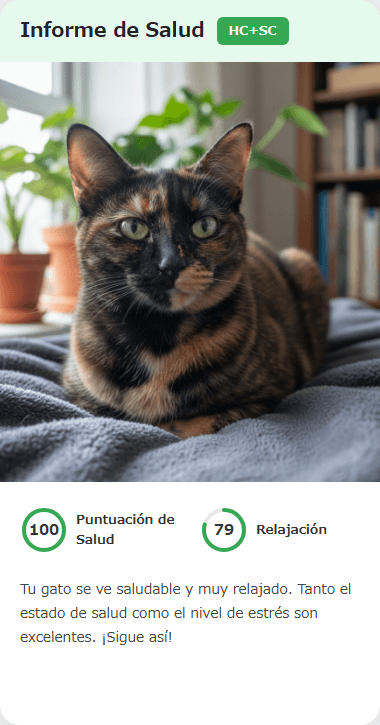
Recordatorios de cuidado, control de peso y rutinas de salud: CatsMe lo organiza todo en una sola app.
Más de 380.000 dueños de gatos en 50 países confían en CatsMe


How to Trim Cat Nails Safely
What You Need
- Cat nail clippers (guillotine or scissor type)
- Styptic powder (in case you nick the quick)
- Treats (for rewards)
Trimming Procedure
1. Choose a time when your cat is relaxed (drowsy or post-meal)
2. Place the cat on your lap or a table
3. Gently press the paw pad to extend the claw
4. Cut at least 2 mm away from the quick (the pink area)
5. Follow the natural curve of the claw; make a clean, single cut
6. Start with the front paws — it is fine to do just 2-3 nails per session
7. Reward with a treat afterward to build a positive association
Important Notes
- When in doubt, cut less rather than more
- If you nick the quick, press styptic powder against the nail for a few minutes
- If the cat struggles, stop and try again another day
- Do not use human nail clippers — they tend to crush and split cat nails
Handling Cats That Resist Nail Trimming
Many cats dislike nail trimming, but gradual training and a few tricks can make a big difference.
Gradual Desensitization
1. Get the cat used to paw handling: Touch the paws regularly, rewarding with treats
2. Practice extending the claws: Gently press paw pads to expose nails
3. Introduce the clipper sound: Cut dry pasta near the cat so it hears the snipping noise
4. Trim one nail: Stop after a single nail, praise, and treat
5. Gradually increase: Add more nails at the cat's pace
Alternatives for Difficult Cases
- Burrito wrap: Wrap the cat in a bath towel and expose one paw at a time
- Two-person technique: One person holds the cat while the other trims
- Professional grooming or vet clinic: Perfectly valid — typically costs around ¥500-1,500
- Nail caps (soft paws): Silicone covers glued onto the nails to protect furniture
Refer to the basics of nail trimming as well, and above all, be patient so that the experience never becomes traumatic for your cat.
Step-by-Step Practical Tips for Complete Claw Care
Good claw care goes beyond trimming alone. A holistic approach to nail health keeps your cat comfortable and reduces the risk of common problems.
Establish a Trimming Schedule
Set a reminder on your phone or calendar: front claws every two to three weeks, back claws once a month. A predictable routine gives the cat a sense of what to expect and reduces resistance over time.
Optimize the Scratching Environment
Providing appropriate scratching surfaces promotes natural nail wear. Offer posts and pads in multiple materials — cardboard, sisal rope, carpet — and in different orientations. Some cats prefer vertical surfaces, others horizontal or angled, so experiment until you find what your cat loves.
Routine Nail Inspections
Each time you trim, take a moment to examine the nails for abnormalities: discoloration (darkening or cloudiness), cracks or chips, swelling or redness around the nail bed, and uneven growth (one claw growing much faster than the others). These signs may indicate infection, injury, or underlying health issues.
Tips for Trimming Back Claws
Many cats resist back-paw handling more than front-paw handling. Try cradling the cat on its back on your lap or gently lifting a hind paw while the cat lies on a table. Back claws need trimming less frequently — about once a month — because they see less use.
Special Considerations for Kittens and Senior Cats
Kitten nails are tiny and razor-sharp; use a small, precise clipper designed for young cats. Senior cats develop thick, hard nails that curl more quickly, so inspect them regularly and trim before they ingrow into the paw pad.
Common Mistakes in Cat Nail Trimming
Trimming mistakes make cats more fearful and turn future sessions into increasingly difficult ordeals. Awareness of these common errors prevents most problems.
Mistake 1: Trying to Trim Every Nail in One Session
Cats have a limited patience budget. If resistance starts, save the remaining nails for another day. Two or three nails per session is perfectly fine. Pushing through makes the entire experience traumatic.
Mistake 2: Trimming When the Cat Is Excited
Right after a play session or before mealtime, your cat is in an active state that is poorly suited to nail trimming. Choose a time when the cat is drowsy or relaxed after eating.
Mistake 3: Using Human Nail Clippers
Human clippers do not match the curve of a cat's claw and tend to crush and split the nail. Always use guillotine or scissor-style clippers specifically designed for cats.
Mistake 4: Cutting Without Checking the Quick
Nicking the quick causes pain and bleeding and gives the cat a powerful reason to resist future trims. Always cut at least 2 mm away from the quick. For dark-colored nails, trim in small increments to stay safe.
Mistake 5: Forgetting the Reward
Always end a trimming session with a treat and verbal praise. A positive conclusion reduces resistance during the next session and gradually builds the cat's tolerance.
When to See a Vet About Claw Problems
Claw problems extend beyond trimming accidents. Nail abnormalities can signal underlying health conditions that require veterinary attention. Consult your vet if any of the following apply.
See a Vet Immediately If
A claw has broken at the base and bleeding will not stop, the nail bed is swollen and producing pus, an ingrown nail has penetrated the paw pad, nail discoloration has appeared suddenly, or the cat is limping or refusing to place weight on a particular paw.
Conditions That Nail Abnormalities May Indicate
Paronychia (nail bed infection) requires antibiotic treatment. Fungal infection can cause discoloration and deformity, sometimes linked to ringworm. Autoimmune diseases such as pemphigus may present with abnormalities across multiple nails simultaneously. Tumors at the nail base are rare but possible.
What to Do If You Cut the Quick
Press styptic powder (or cornstarch as a substitute) against the bleeding nail and hold for two to three minutes. Bleeding usually stops within that time. If it continues beyond ten minutes, contact your veterinary clinic for guidance.
Nail Checks at Routine Exams
Ask your vet to examine the nails during regular health checkups. Senior cats are especially prone to claw issues, and having a professional periodically inspect nail health catches problems before they become painful.
Prevention & Long-Term Claw Care Management
Consistent long-term claw care prevents painful problems and keeps nail trimming sessions smooth and stress-free for years to come.
Build the Habit Early
Starting paw-handling practice in kittenhood — ideally during the socialization period — produces an adult cat that tolerates nail trims with minimal fuss. Even a few seconds of paw touching per day during the first few months pays enormous dividends later.
Strategic Scratching Post Placement
Position scratching posts and pads where your cat passes frequently, near favorite furniture, and next to sleeping areas. Cats instinctively stretch and scratch right after waking, so a post beside the bed gets heavy use.
Maintain Your Trimming Tools
Dull clipper blades crush the nail instead of cutting cleanly, causing discomfort and splintering. Replace your clippers when the blade loses its edge to keep each trim quick and painless.
Special Attention for Senior Cats
Senior cats scratch less and develop thicker nails that curl more rapidly. Check nails every two weeks and trim before ingrowth occurs. The dewclaw (thumb claw) is especially prone to curling because it never contacts a scratching surface.
A Note on Declawing
Declawing (onychectomy) involves amputating the last bone of each toe and is widely regarded as inhumane. It is banned in many countries and discouraged by veterinary associations in Japan. Proper claw management through regular trimming and adequate scratching surfaces is a humane and fully effective alternative. See the basic nail care guide for more details.
¿Podrías responder "¿desde cuándo está así?"
Cuando tu veterinario pregunte, no te quedes sin respuesta. CatsMe registra automáticamente puntuaciones de salud diarias que puedes compartir con un solo toque.
爪切り爪のケアグルーミングケア方法
FAQ
 CatsMe
Prepárate para actuar en cuanto sientas que algo no va bien
Basta una foto: la IA interpreta el dolor y el estado de salud a partir de la expresión de tu gato. Compruébalo en el momento en que te preocupes y comparte el registro con tu veterinario.