

Feline Diabetes Basics & Why Management Matters
Feline diabetes is a metabolic disease in which chronically elevated blood sugar results from insufficient insulin production or insulin resistance. About 80% of feline diabetes cases are type II, similar to type 2 diabetes in humans.
Risk Factors
- Obesity: The single biggest risk factor — overweight cats face 4x or higher risk
- Age: Particularly common in cats over 10
- Breed: Burmese cats have a higher predisposition
- Sex: Males are roughly twice as likely as females
- Long-term steroid use
- History of pancreatitis
Risks of Poor Management
- Diabetic ketoacidosis (DKA): A life-threatening complication with vomiting, dehydration, and altered consciousness
- Peripheral neuropathy: A plantigrade stance where the hind legs walk flat on the hocks
- Worsening chronic kidney disease
- Hepatic lipidosis (fatty liver disease)
With proper management, approximately 25-30% of diabetic cats achieve remission — a state where insulin is no longer needed. Early detection and treatment significantly improve remission rates.
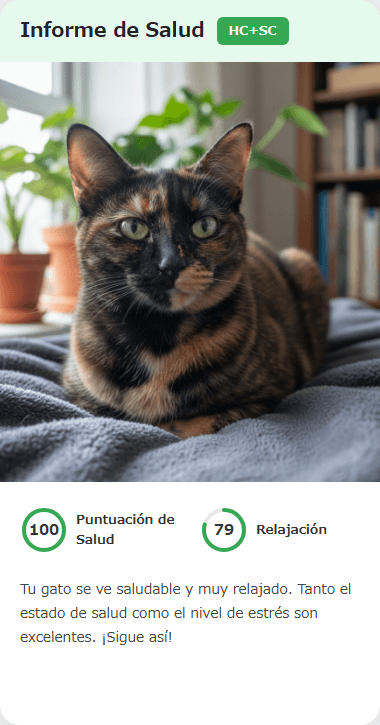

En gatos mayores, cada día importa
Los cambios sutiles pueden esconder problemas graves en gatos senior. CatsMe monitorea comportamiento, apetito y estado de salud para que puedas actuar a tiempo.
Más de 380.000 dueños de gatos en 50 países confían en CatsMe


Insulin Administration & Dietary Therapy
Insulin Administration Basics
Feline diabetes typically requires twice-daily subcutaneous insulin injections.
- Strictly follow your vet's prescribed insulin type and dose
- Inject at the same time as meals (ideally 12 hours apart)
- The injection site is the scruff between the shoulder blades; vary the spot slightly each time
- Store insulin in the refrigerator; warm it in your palm before use by gently rolling (never shake)
Tips for Home Injections
1. Inject while the cat is eating (distracted by food)
2. Tent the skin and insert the needle at the base
3. The needle is thin — most cats barely notice
4. Ask your vet for as many practice sessions as you need
Dietary Therapy
- High protein, low carbohydrate is the cornerstone — prevents blood sugar spikes
- Prescription diets: Hill's m/d, Royal Canin Diabetic, etc.
- Feed on a consistent schedule (to align insulin action with postprandial glucose)
- Limit treats to low-carbohydrate options
- Pursue strict weight management (reducing obesity improves insulin sensitivity)
Blood Glucose Monitoring & Daily Precautions
Blood Glucose Monitoring
Regular monitoring is essential for optimal glucose control.
- Blood glucose curve (BGC): At the clinic, glucose is measured every 2 hours over 12 hours
- Home glucose testing: A tiny blood sample from the ear margin, measured with a portable glucometer
- Fructosamine test: Reflects average blood glucose over the past 2-3 weeks
- FreeStyle Libre: A continuous glucose monitor worn by the cat for 14 days
Hypoglycemia — An Emergency
Hypoglycemia occurs when the insulin dose is too high and is life-threatening.
Symptoms: Trembling, staggering, seizures, collapse
Response: Apply a small amount of honey or corn syrup to the gums and contact your vet immediately
Daily Observation Points
- Changes in water intake and urine volume (polydipsia/polyuria signals poor glucose control)
- Weight changes (loss is concerning)
- Appetite changes
- Plantigrade hind-limb posture (sign of neuropathy)
- Vomiting and lethargy (possible DKA)
Working Toward Remission
Remission requires all three pillars: appropriate insulin therapy + dietary management + weight control. Even after remission, continue a high-protein, low-carbohydrate diet and schedule regular glucose checks.
Practical Application: Managing Diabetes in Daily Life
Life with a diabetic cat feels overwhelming at first, but once management becomes routine, it fits naturally into daily life. Here are practical techniques designed for seamless integration.
Building an Insulin Routine
Pairing the injection with mealtime teaches the cat that food and injection are part of the same event, reducing resistance. Inject at the same times every day — for example, 7 AM and 7 PM. Set a smartphone alarm as a fail-safe. A twelve-hour interval is ideal, but a one-to-two-hour variation is acceptable.
Traveling and Time Away
- Short trips (1-2 days): Train a trusted pet sitter to administer insulin. Schedule practice sessions beforehand
- Longer absences (3+ days): Board the cat at the vet clinic or hire a sitter experienced with diabetic management
- Transporting insulin: Use an insulated cooler bag and maintain proper temperature throughout
Feeding in Multi-Cat Households
In multi-cat homes, the diabetic cat may steal high-carbohydrate food from housemates. Feed cats in separate rooms or on staggered schedules. Microchip-activated automatic feeders grant access only to the designated cat and are an excellent investment.
Stress Management
Stress raises blood glucose levels. Maintain a calm, predictable environment and avoid abrupt changes to the cat's routine. During high-stress periods such as moving or hosting frequent visitors, increase monitoring frequency to catch glucose spikes early.
Expert Tips for Diabetes Management
Veterinary endocrinology specialists share these advanced recommendations for elevating diabetes management to the next level.
Home Blood Glucose Testing
Clinic glucose readings are often inflated by stress hyperglycemia, which may not reflect true glycemic control. Learning to test at home yields more accurate data. Ask your vet to teach you how to collect a tiny blood sample from the ear margin and read it with a portable glucometer.
Using the FreeStyle Libre
A continuous glucose monitor (FreeStyle Libre) attached to the cat provides real-time glucose data over fourteen days. Postprandial peaks and insulin duration become visible on a graph, making fine-tuning of insulin doses far more precise and evidence-based.
How to Calculate Carbohydrate Content
When carbohydrate percentage is not printed on the food label, calculate it as:
Carbohydrates (%) = 100 − (protein% + fat% + fiber% + ash% + moisture%)
For diabetic cats, food with under 10% carbohydrates is the ideal target.
Post-Remission Vigilance
Even after the cat achieves remission and no longer requires insulin, dietary and weight management must continue. Remission is not a cure — returning to a high-carbohydrate diet or regaining weight can trigger relapse. Schedule a glucose check every three months to catch any recurrence early.
When to Seek Professional Help: Diabetic Emergencies
If any of the following situations occur during diabetes management, seek veterinary care immediately. Diabetic complications can be life-threatening.
Hypoglycemia (Most Urgent Emergency)
- Symptoms: Trembling, staggering, disorientation, seizures, loss of consciousness
- First aid: Apply a small amount of honey or corn syrup to the gums. Never syringe liquid into the mouth (aspiration risk)
- If the cat responds, offer a small amount of food and call the vet immediately
Diabetic Ketoacidosis (DKA)
- Symptoms: Severe vomiting, dehydration, abdominal pain, rapid breathing, sweet breath odor (acetone), collapse
- DKA is a life-threatening emergency requiring hospitalization and intensive care
Other Signs That Warrant a Vet Visit
- Polydipsia and polyuria persist despite insulin treatment
- Rapid weight loss
- Plantigrade hind-limb posture progressing (peripheral neuropathy)
- Appetite loss lasting more than two days
- Uncertainty about the correct insulin dose
Routine Monitoring
Even when the cat is stable, visit the clinic every three months for a blood glucose curve or fructosamine test to verify that the insulin dose remains appropriate. Combine the visit with a general health exam for a full-body assessment.
Long-Term Management Strategy for Feline Diabetes
Diabetes management is a lifelong commitment, but with the right strategy it is possible to maintain a high quality of life and even achieve remission.
The Path to Remission
Approximately 25-30% of cats can achieve remission. The following conditions improve the odds:
- Early diagnosis and treatment: Intensive management within the first six months is key
- Weight normalization: Reaching ideal body weight improves insulin sensitivity
- Strict low-carbohydrate diet: Directly stabilizes blood glucose
- Optimized insulin dosing: Start low and fine-tune based on glucose curves
Long-Term Monitoring Schedule
- Daily: Observe water intake, appetite, and activity levels. Home glucose testing if possible
- Monthly: Weigh the cat (report changes of ±200 g or more)
- Every 3 months: Fructosamine or blood glucose curve at the clinic
- Every 6 months: Comprehensive blood panel and urinalysis (including kidney and liver assessment)
Cost and Sustainability
Insulin, syringes, prescription food, and regular testing add up. Work with your vet to build a cost-effective management plan that is financially sustainable over the long term without compromising the cat's care.
Owner Communities
Online communities of owners managing diabetic cats are invaluable sources of practical advice and emotional support. Knowing that others share the same challenges helps sustain motivation through the ups and downs of long-term diabetes care.
¿Podrías responder "¿desde cuándo está así?"
Cuando tu veterinario pregunte, no te quedes sin respuesta. CatsMe registra automáticamente puntuaciones de salud diarias que puedes compartir con un solo toque.
糖尿病インスリン血糖値食事療法肥満
FAQ
 CatsMe
Prepárate para actuar en cuanto sientas que algo no va bien
Basta una foto: la IA interpreta el dolor y el estado de salud a partir de la expresión de tu gato. Compruébalo en el momento en que te preocupes y comparte el registro con tu veterinario.