

Pet Loss Is a Natural Form of Grief
The grief of losing a beloved cat can be as profound as losing a family member. Pet loss is a normal psychological response — it is neither something to be ashamed of nor a sign of weakness.
The 5 Stages of Pet Loss Grief
1. Denial: "I can't believe this is real."
2. Anger: Self-blame — "I should have taken her to the vet sooner."
3. Bargaining: Regret — "If only I had done things differently."
4. Depression: Deep sadness and a sense of emptiness
5. Acceptance: Beginning to come to terms with the loss and looking forward
These stages do not necessarily unfold in order. There is no right timetable for grief.
Preparing emotionally during end-of-life care is known to help with recovery after the loss.
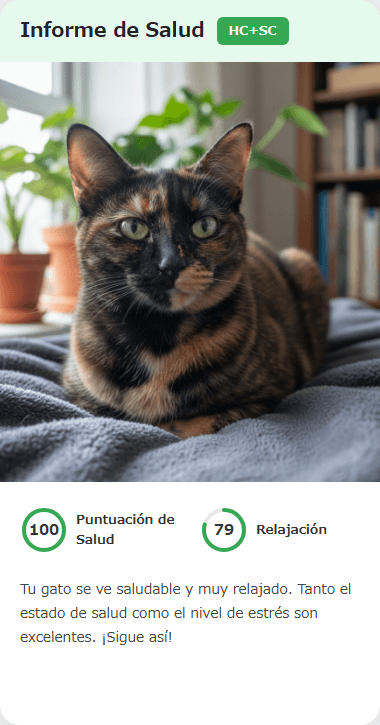

En gatos mayores, cada día importa
Los cambios sutiles pueden esconder problemas graves en gatos senior. CatsMe monitorea comportamiento, apetito y estado de salud para que puedas actuar a tiempo.
Más de 380.000 dueños de gatos en 50 países confían en CatsMe


Practical Ways to Cope with Your Grief
What You Can Do for Yourself
- Express your grief: Crying is a natural release
- Share memories: Talk about your cat with someone you trust
- Write in a journal: Putting feelings into words helps organize your thoughts
- Create a memorial: A photo album, a paw-print keepsake, or a special tribute
- Maintain daily routines: Keep a regular rhythm of meals, sleep, and work
Things to Avoid
- Suppressing your sadness
- Rushing to get a new pet as a "replacement"
- Forcing yourself to follow well-meaning but unhelpful advice like "just move on"
Helping Children Through Pet Loss
- Be honest — explain death in age-appropriate language
- Reassure them that feeling sad is perfectly normal
- Let them participate in a farewell ritual
Grieving in Remaining Cats
Surviving cats may also change their behavior after losing a companion. If you notice appetite loss or increased vocalization, give them extra attention and comfort.
Moving Toward Healing: Taking a New Step When You're Ready
Recovery from pet loss can take anywhere from several weeks to over a year.
Signs of Healing
- You can think of your cat and feel warmth instead of only pain
- You find yourself able to focus on daily life for longer stretches
- You can look at photos of your cat and smile
When Professional Support May Be Needed
- Daily functioning has been impaired for more than a month
- You are unable to go to work or school
- You are experiencing thoughts of self-harm
Support Resources
- Pet-loss hotlines (often run by veterinary associations)
- Counselors who specialize in pet bereavement
- Online pet-loss support communities
When to Welcome a New Pet
The best time is when you feel ready to welcome a "new relationship" rather than a "replacement." Adopting again is not about forgetting your previous cat — it is a sign that you have room in your heart to love a new life.
Practical Guide to Managing Pet Loss Grief
Here is a stage-by-stage practical guide to navigating pet loss grief with specific actions you can take at each phase.
Immediately After to One Week
- Allow yourself to cry — do not suppress your emotions
- Consciously maintain daily routines such as meals and sleep
- There is no need to immediately remove your cat's belongings from the house
- Inform your workplace or school about your situation and take time off if needed
One Week to One Month
- Compile memories into a photo album or digital collection
- Talk about your feelings with someone you trust
- Create memorial keepsakes such as paw-print casts or fur jewelry
- Begin gradually organizing spaces where your cat used to spend time
One Month to Six Months
- Join a pet loss support group or online community
- Start a new hobby or activity to create positive structure in your life
- Hold a small memorial ceremony on your cat's anniversary or birthday
- Volunteer with an animal rescue organization — giving back can be profoundly healing
Six Months and Beyond
- Ask yourself honestly whether you feel ready to welcome a new pet
- Put your gratitude for your previous cat into words, whether written or spoken
- Accept that the psychological process after losing a cat varies greatly from person to person and there is no fixed timeline
Coping Methods to Avoid
Do not numb emotions with alcohol or other substances, do not completely bottle up your feelings, and do not force yourself to conform to dismissive attitudes like "it was just a pet." Your grief is valid and deserves to be processed in a healthy way.
Expert Analysis: The Psychology of Pet Loss
The psychology behind pet loss is a growing area of study. Here we explore the latest research and expert insights into why losing a pet can be so devastating and what factors influence recovery.
Why Pet Loss Hurts So Deeply
Research shows that the bond between humans and their pets follows attachment patterns comparable to those in human relationships. Cats serve as an unconditional presence deeply woven into the fabric of daily life. Losing that presence means the very structure of everyday routine collapses.
The Problem of Disenfranchised Grief
In sociological terms, pet loss is sometimes classified as disenfranchised grief — a form of loss that society does not fully recognize. Comments like "it was only a pet" from well-meaning but uninformed people can make processing grief considerably harder.
Types of Grief
- Normal grief: A natural psychological process that gradually eases over time
- Complicated grief: Intense sorrow lasting beyond six months that impairs daily functioning — professional support is recommended
- Anticipatory grief: Sadness felt during hospice care in anticipation of the cat's death — this does not necessarily lessen grief after the actual loss
Factors That Aid Recovery
- Social support from people who understand and validate your feelings
- Emotional expression through talking, writing, or creative outlets
- Finding meaning in the relationship with your cat
- Rebuilding daily structure and routine
Pet loss grief is not a sign of weakness. It is proof of a deep and genuine love that enriched both your life and the life of your cat.
When to Take Action: Seeking Professional Grief Support
Pet loss grief typically eases with time, but in some cases professional support becomes necessary. Knowing when to seek help is an important part of caring for yourself during this difficult period.
Signs You Should Consult a Professional
- Daily functioning (work, school, household tasks) has been significantly impaired for more than one month
- Eating or sleeping patterns are severely disrupted
- You are experiencing thoughts of self-harm
- Persistent, intense guilt about your cat's death will not subside
- Your other relationships are being negatively affected
- You notice a growing dependence on alcohol or other substances
Professional Support Options Available
1. Pet Loss Counseling
The number of counselors and psychologists specializing in pet loss is growing. In addition to in-person sessions, online counseling is also widely available and can be accessed from the comfort of your home.
2. Grief Support Groups
Sharing experiences with others who have gone through the same loss can be profoundly healing. Online pet loss communities allow anonymous participation and are accessible around the clock.
3. Psychiatric or Psychological Care
If you are experiencing complicated grief or depressive symptoms, consider consulting a psychiatrist or psychologist for a comprehensive assessment.
Coping with Guilt After Euthanasia
Many owners who chose euthanasia for their cat struggle with guilt afterward. The thought of whether you could have done more is natural, but the decision to end your cat's suffering was the most compassionate act you could have performed. Speaking with your veterinarian again about the circumstances surrounding the decision can help bring clarity and peace.
Resources & Support for Pet Loss Recovery
Below is a collection of resources and information to support your recovery from pet loss.
Domestic Support Organizations (Japan)
- Pet Loss Hotlines: Telephone counseling services operated by regional veterinary associations
- Japan Pet Loss Association: Provides information on counseling and self-help groups
- Yorisoi Hotline (0120-279-338): Available for general mental health consultations as well
Online Resources
- Pet loss communities on social media platforms (Facebook, X, LINE Open Chat)
- Online counseling services specializing in pet bereavement
- Digital memorial websites for creating lasting online tributes
Books and Films
Books and films about pet loss offer the chance to hear from others who have experienced the same pain. Realizing that you are not alone in your grief is often the first step toward healing.
On Welcoming a New Pet
The right time to adopt a new cat is different for everyone. You do not need to feel that getting a new cat is a betrayal of the one you lost. Welcoming a rescue cat from a shelter is an act of channeling the love your previous cat taught you into a new life. However, avoid adopting as a hasty replacement while your grief is still raw.
Related Carelogy Articles
- Hospice Care for Cats: End-of-life care and preparation
- Senior Cat End-of-Life: Preparing to say goodbye to an aging cat
¿Podrías responder "¿desde cuándo está así?"
Cuando tu veterinario pregunte, no te quedes sin respuesta. CatsMe registra automáticamente puntuaciones de salud diarias que puedes compartir con un solo toque.
ペットロスグリーフケア悲しみ心理お別れ
FAQ
 CatsMe
Prepárate para actuar en cuanto sientas que algo no va bien
Basta una foto: la IA interpreta el dolor y el estado de salud a partir de la expresión de tu gato. Compruébalo en el momento en que te preocupes y comparte el registro con tu veterinario.