

Don't Miss the Signs of Arthritis in Your Cat
Feline arthritis (osteoarthritis / OA) is reported in roughly 90% of cats over 12, yet it is frequently overlooked because cats instinctively hide pain.
Unlike dogs, cats rarely limp obviously. Instead, arthritis manifests as behavioral changes.
Signs of Arthritis
- No longer jumping onto surfaces the cat used to reach easily
- Hesitating before jumping down from heights
- Avoiding stairs
- Reluctance to step over the litter box rim
- Less grooming (especially the back and hindquarters)
- Resisting being touched
- Reduced activity and increased sleeping
- Becoming aggressive (pain-driven)
- Joint stiffness (particularly in the morning or on cold days)
Commonly Affected Joints
Elbows, knees, hips, and the spine (especially the lumbar region). X-rays reveal joint degeneration and confirm the diagnosis.
Do not dismiss symptoms as "just old age." Proper management can dramatically improve your cat's quality of life. Start with a veterinary visit for an accurate diagnosis.
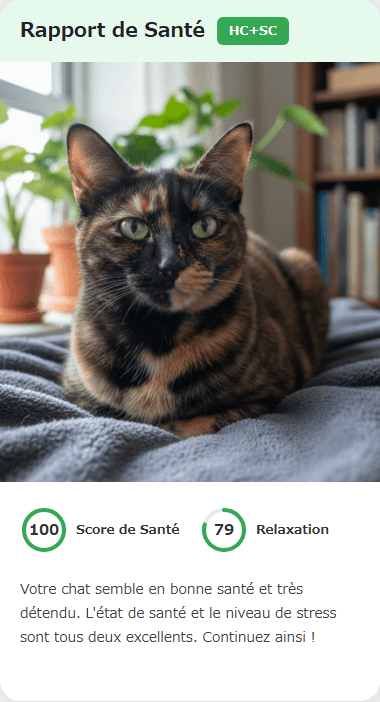

Pour les chats âgés, chaque jour compte
Chez les chats seniors, des changements subtils peuvent cacher des problèmes graves. CatsMe suit le comportement, l'appétit et l'état de santé pour vous permettre de réagir vite.
Plus de 380 000 propriétaires de chats dans 50 pays font confiance à CatsMe


Home Environment Modifications
Creating a barrier-free environment is essential for reducing pain and maintaining quality of life in cats with arthritis.
Eliminate Height Barriers
- Place pet steps or ramps beside beds and sofas
- Replace tall cat trees with low-step platforms for window access
- Lay non-slip mats on slippery hardwood floors
Litter Box Improvements
- Switch to a low-entry litter box (rim height 10 cm or lower)
- A plastic storage bin with one side cut low is a practical alternative
- Move the litter box close to where the cat spends most of its time
Bedding Upgrades
- Memory foam or thick blankets to cushion joints
- Position the bed in a warm spot (warmth eases stiffness)
- Pet-safe heating pad or hot water bottle (use a cover to prevent burns)
Food & Water Setup
- Place food and water bowls on raised platforms (less neck strain)
- Provide food and water on every floor to minimize travel distance
Nail Care
Cats with arthritis stop scratching posts, allowing nails to overgrow and curl into the paw pads. Keep up with regular nail trims.
Pain Management & Daily Care Tips
Veterinary Treatment Options
- NSAIDs: Robenacoxib (Onsior) and other feline-safe NSAIDs may be prescribed. Never give human NSAIDs — they are lethal to cats
- Adjunctive pain relievers: Gabapentin and others
- Monoclonal antibody therapy: Frunevetmab (Solensia) — a once-monthly injection offering a newer approach to pain control
- Joint injections: Hyaluronic acid and similar
Supplements
- Glucosamine & chondroitin: Support cartilage protection and repair
- Omega-3 fatty acids (EPA/DHA): Anti-inflammatory properties; available as fish oil supplements or enriched food
- Green-lipped mussel extract: Contains natural anti-inflammatory compounds
Weight Management
Weight control is one of the most critical aspects of arthritis care. Extra weight increases joint stress and worsens pain. Maintain an ideal body weight through careful diet management.
Moderate Exercise
Complete inactivity leads to muscle atrophy and reduced joint support. Schedule several short play sessions per day at a level your cat can handle comfortably.
Massage
With guidance from your vet, gently massaging the muscles around affected joints improves circulation and reduces stiffness. Do this when your cat is relaxed.
Practical Application: Adapting Arthritis Care to Season & Weather
Arthritis symptoms can worsen with changes in temperature, humidity, and barometric pressure. Seasonal adjustments help maximize your cat's comfort throughout the year.
Winter Strategies (Symptoms Often Worst)
- Place a pet-safe heating pad in the cat's bed to ease joint stiffness
- Maintain room temperature between 22-25°C and avoid sudden fluctuations
- Morning stiffness is typically most severe; allow the cat to move at its own pace after waking
- Block drafts and elevate the bed off cold floors
Rainy Season and Low-Pressure Days
Some cats experience increased joint pain during barometric pressure drops. Check the weather forecast and on low-pressure days, move the litter box and water bowl closer to where the cat rests.
Summer Considerations
Heat reduces activity, which can accelerate muscle loss. Schedule short play sessions during cooler parts of the day to maintain muscle mass, but avoid exercise in hot conditions.
Daily Activity Logging
Tracking the cat's activity level, jumping frequency, appetite, and litter box usage reveals patterns in symptom fluctuation and provides valuable data for veterinary consultations. A simple smartphone note app is all that is needed to maintain a useful log.
Expert Tips for Arthritis Management
Veterinary rehabilitation specialists recommend the following advanced home-care techniques that owners can apply safely.
Heat Therapy Done Right
Applying a warm towel (wrung from water at approximately 40°C) to affected joints for five to ten minutes improves circulation and reduces stiffness. Always apply through a towel to prevent low-temperature burns, and stop immediately if the cat shows discomfort. Microwaveable pet heat packs are a convenient alternative.
Passive Range-of-Motion (ROM) Exercises
Under veterinary guidance, gently flexing and extending joints through their pain-free range of motion helps maintain flexibility. When the cat is relaxed, move each affected joint slowly through five to ten repetitions. Never force a joint past the point of resistance.
Low-Impact Exercises to Preserve Muscle Mass
- "Step exercises" using a low-height pet step — lure the cat up and over with treats
- Slow wand-toy walking where the toy is pulled gently to encourage steady movement
- Puzzle feeders that engage both mind and body simultaneously
Using a Pain Scale
The Feline Grimace Scale is a validated tool for assessing pain from facial expressions and body language. Ask your vet to teach you how to use it so you can objectively gauge pain levels during daily observations and communicate changes accurately during checkups.
When to Seek Professional Help for Worsening Arthritis
Arthritis is a progressive condition, and regular veterinary follow-up is essential. If you observe any of the following signs, consider an earlier-than-scheduled visit.
Signs of Worsening
- The cat now avoids steps or ramps it previously used without hesitation
- Litter box accidents are increasing (cannot reach the box in time or step over the rim)
- Appetite is declining
- The cat vocalizes or attempts to bite when touched
- Activity levels have dropped noticeably compared with even a few weeks ago
- Sudden weight gain or loss
Routine Monitoring Tests
- X-rays every three to six months to evaluate joint changes
- Regular blood work if the cat is on NSAIDs (kidney and liver function checks)
- Pain assessment and medication dose adjustment
Consider Physical Rehabilitation
For more severe cases, veterinary physical therapy offers additional relief. Options include underwater treadmill (hydrotherapy), laser therapy, and acupuncture. With Carelogy's home-visit service, your cat can receive professional care in the familiar, low-stress environment of your own home.
Early intervention slows the progression of joint damage and helps preserve your cat's quality of life for as long as possible.
Long-Term Management Strategy for Feline Arthritis
Arthritis cannot be cured, but a well-planned, long-term management strategy can maximize the period during which your cat lives comfortably and actively.
The Multimodal Approach
The most effective arthritis management combines multiple therapies rather than relying on a single intervention:
- Pharmacotherapy (NSAIDs, Solensia, etc.)
- Supplements (glucosamine, omega-3 fatty acids)
- Environmental modifications (barrier-free home)
- Weight management
- Moderate exercise
- Heat therapy and massage
Combining these approaches maximizes the benefits of each while keeping side effects to a minimum.
Review the Care Plan Every Six Months
Because arthritis is progressive, the management plan must evolve over time. Work with your veterinarian to adjust medications, refine the home environment, and explore new treatment options at regular intervals.
Share Care Responsibilities
Distributing daily tasks — medication administration, environment checks, activity logging — among family members prevents caregiver burnout and ensures consistency.
Quality of Life Above All
What matters most is that the cat can live without pain and maintain its sense of self. Rather than striving for perfect care, observe what your cat still enjoys and what causes discomfort, and tailor your support accordingly. That ongoing, attentive response is the very best form of long-term management.
Pourriez-vous répondre « depuis quand ça dure ? »
Quand votre vétérinaire pose la question, ne restez pas sans réponse. CatsMe enregistre automatiquement les scores de santé quotidiens, partageables en un seul geste.
関節炎シニア猫痛みバリアフリー在宅ケア
FAQ
 CatsMe
Soyez prêt à agir dès que vous sentez que quelque chose cloche
Une seule photo suffit : l'IA lit la douleur et l'état de santé sur l'expression de votre chat. Vérifiez au moment où vous vous inquiétez et partagez le suivi avec votre vétérinaire.