Skip to content
Senior Cat2026-03-10Carelogy編集部

Sphynx Cat Health: HCM Risk, Daily Skin Care, Bath & Temperature (Owner Vet Guide 2026)

Sphynx cats need 3 unique health protocols other breeds don't: weekly skin baths (no fur = oily skin), 24°C+ environment (no fur = no insulation), and HCM screening from age 1 (high-risk breed). Full vet-supervised owner guide.

Senior cat
Share:𝕏fLINE

Why Sphynx Cats Need Special Care

The Sphynx is nearly hairless — covered only in a fine peach-fuzz down — which means they require care unlike any other breed. Without a fur coat, they have limited ability to regulate body temperature, protect their skin, and shield themselves from UV rays. Proactive owner involvement is non-negotiable. Personality-wise, Sphynx cats are extremely social and affectionate. They crave human contact and are often described as having a "dog-like personality." Their average lifespan is 12 to 15 years.
Remarqueriez-vous si quelque chose n'allait pas ?
CatsMe

Remarqueriez-vous si quelque chose n'allait pas ?

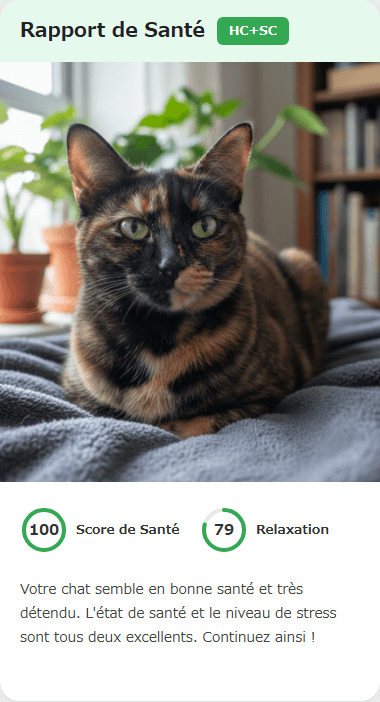
Les chats cachent leur douleur. CatsMe utilise l'IA pour examiner une photo du visage de votre chat à la recherche de signes de douleur dans son expression. Il ne pose pas de diagnostic : si vous êtes inquiet, contactez votre vétérinaire.


Skin Care & Bathing Routine

Without fur to absorb it, oil from the skin builds up directly on the surface. Managing this is the single biggest aspect of Sphynx care. Weekly baths: Use lukewarm water (around 99°F / 37°C) with a gentle, cat-safe shampoo. After bathing, towel-dry immediately to prevent their body temperature from dropping. Ear cleaning: Without hair to filter debris, earwax accumulates quickly. Clean their ears once a week. Between the nails: Oil also collects in the nail beds, so clean them each time you trim. Sun protection: Avoid prolonged direct sunlight. Apply UV-blocking film to windows. Areas with lighter-colored skin are especially prone to sunburn.

Breed-Specific Health Concerns

Hypertrophic cardiomyopathy (HCM): Sphynx cats are a high-risk breed for HCM. Annual cardiac ultrasound screening is essential. Skin infections: Without the protective barrier of fur, they're more susceptible to bacterial and fungal infections. Watch out for ringworm as well. Digestive issues: Many Sphynx cats have sensitive stomachs. Refer to our cat food guide for choosing easily digestible diets. Periodontal disease: This breed has an elevated risk for dental disease. Maintain a regular dental care routine. Temperature regulation: Keep indoor temperatures between 68–77°F (20–25°C). In winter, use cat-safe heaters or cat clothing to keep them warm.

Practical Tips & How-To: Daily Sphynx Care Routine

Sphynx care differs fundamentally from other breeds. Here is an efficient daily routine that covers all the essentials. Daily care: To minimize oil buildup between baths, develop the habit of wiping your Sphynx's entire body with pet-safe grooming wipes every day. Pay special attention to the skin folds on the face, neck, and armpits — these creases trap oil and debris that can quickly lead to irritation or infection if neglected. Choose fragrance-free, hypoallergenic wipes to avoid aggravating their sensitive skin. Weekly schedule: Bathe once per week, clean ears once per week, and trim nails twice per week (oil accumulates faster in the nail beds of hairless cats). See our grooming guide for detailed step-by-step instructions on each of these tasks. Choosing clothing: In winter or in air-conditioned homes, cat sweaters and shirts provide genuine thermal benefit for hairless breeds. Select garments made from soft cotton or fleece that fit snugly but not tightly. Prioritize designs that are easy to put on and remove, and make sure they don't interfere with litter box access. Wash cat clothing frequently, as it absorbs the same oils that build up on their skin. Bed setup: Layer warm fleece blankets in enclosed-style beds placed in multiple rooms. Heated pet mats set to low provide consistent warmth. Sphynx cats are heat-seekers by nature and will gravitate toward the warmest spot in the house, so strategic placement of heated beds reduces their urge to seek dangerous heat sources like stovetops.

Common Misconceptions About Sphynx Cats

Several myths about Sphynx cats persist even among experienced cat owners. Getting the facts straight is the first step toward proper care. "They're completely hairless": In reality, most Sphynx cats have a fine layer of peach-fuzz down that gives their skin a velvety, suede-like texture. Truly bald specimens are the exception rather than the rule. This downy coat is too fine to provide insulation or skin protection, which is why the special care requirements remain the same regardless of how much fuzz is present. "They're low maintenance since there's no fur to brush": This is perhaps the most dangerous misconception. While brushing is indeed unnecessary, Sphynx cats require significantly more daily care than furred breeds. Weekly baths, daily wipe-downs, frequent ear cleaning, nail bed maintenance, and constant temperature monitoring add up to a substantial commitment. Many Sphynx-experienced breeders caution that this breed may not be ideal for first-time cat owners. "Just keep them indoors and they'll be fine": Indoor environments still present challenges for hairless cats. Direct AC airflow can chill them rapidly, window-seat sunbathing can cause sunburn within minutes, and humid bathrooms can trigger skin infections. Thoughtful indoor safety management — controlling sun exposure, airflow direction, and humidity levels room by room — is essential for keeping a Sphynx healthy and comfortable year-round.

Expert Recommendations for Sphynx Health

Here is what Sphynx specialists — both veterinary and breeding experts — consider essential for this breed's health management. Cardiac ultrasound: Given the elevated HCM risk, annual echocardiograms starting from age 1 are non-negotiable. The cost of roughly $80 to $150 per screening is trivial compared to the consequences of undetected heart disease. Review our detailed cat heart disease article for more on what HCM screening involves and what the results mean. Weekly skin inspection: During each bath, perform a thorough head-to-tail skin check. Look for redness, swelling, unusual discharge, or any spots that seem tender when touched. Skin infections in Sphynx cats escalate quickly because there's no fur barrier to slow bacterial spread — early detection turns a simple topical treatment into a much more manageable situation than a systemic infection requiring oral antibiotics. Digestive support: For Sphynx cats with sensitive stomachs, probiotic-enriched foods or digestive enzyme supplements can make a meaningful difference. When switching foods, extend the transition period to at least 10 days, mixing increasing proportions of the new food with the old. Sudden diet changes in this breed almost always trigger gastrointestinal upset. Temperature monitoring: Place a digital thermometer in your cat's primary living area and check it regularly. Anytime the room drops below 68°F (20°C), activate supplemental heating. Consider a smart thermostat that alerts you to temperature drops when you're away from home.

Record changes in your cat's expression with CatsMe

For Sphynx cats, keeping records of weight, meals and vet visits for each cat makes it easier to consult your vet. CatsMe (by Carelogy Inc.) uses AI to check a photo of a cat's face for signs of pain in its expression. It does not diagnose disease, assess overall health or replace a veterinarian; if you are worried, contact your vet regardless of the result. - Keep dated records of weight, meals and vet visits and vaccinations to show your vet - Records are kept per cat, so it works for multi-cat homes (iOS, Android and web, 14 languages) - Developed with a background in university joint research; over 1 million checks run to date Learn more about CatsMe →
CatsMe

Pourriez-vous répondre « depuis quand ça dure ? »

CatsMe utilise l'IA pour examiner une photo du visage de votre chat à la recherche de signes de douleur dans son expression, et conserve des suivis datés pour chaque chat, à revoir avec votre vétérinaire. Il ne pose pas de diagnostic.

スフィンクス無毛猫皮膚ケア猫種心臓病
Share:𝕏fLINE

FAQ

Soyez prêt à agir dès que vous sentez que quelque chose cloche
CatsMeCatsMe

Soyez prêt à agir dès que vous sentez que quelque chose cloche

Prenez une photo et CatsMe examine par IA le visage de votre chat à la recherche de signes de douleur. Conservez des suivis datés pour chaque chat, à revoir avec votre vétérinaire. Il ne pose pas de diagnostic.