

Catnip vs. Silver Vine (Matatabi): What's the Difference?
Catnip (Nepeta cataria) is a mint-family herb whose active compound, nepetalactone, stimulates scent receptors in a cat's nose. Roughly 50–70% of cats respond to catnip, while the rest carry a genetic variation that makes them indifferent.
Silver vine (Actinidia polygama), known as *matatabi* in Japan, belongs to the kiwi family and contains compounds such as matatabilactone and actinidine. It triggers a response in about 80% of cats, including many that ignore catnip altogether.
A typical reaction lasts 5 to 15 minutes and may include rolling on the ground, rubbing their cheeks against the source, darting around the room, or drooling. After the effect wears off, most cats enter a brief refractory period during which they will not respond again for roughly 30 minutes to two hours.
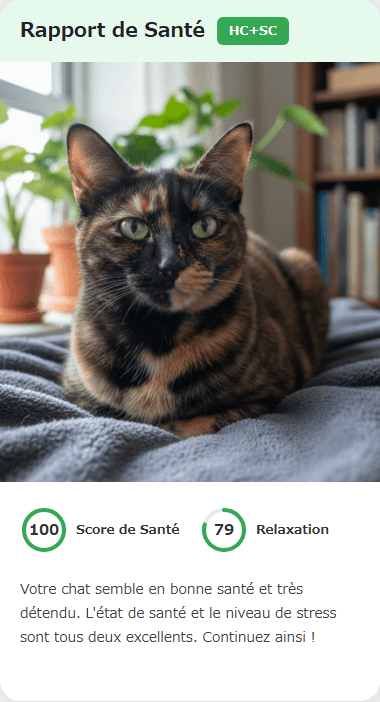

Le compagnon au quotidien de votre chat
Rappels de toilettage, suivi du poids, routine de soins… CatsMe centralise tout dans une seule application.
Plus de 380 000 propriétaires de chats dans 50 pays font confiance à CatsMe


Safety and Proper Usage
Both catnip and silver vine are safe when given in moderation. They are non-addictive and non-toxic, so there is no risk of dependency.
Recommended frequency: Two to three times per week is ideal. Daily exposure can cause habituation, meaning your cat may gradually stop responding.
Ways to offer it:
- Stuff dried leaves inside toys
- Sprinkle it on a scratching post
- Offer a small pinch of the powdered form
Precautions to keep in mind:
- Kittens under six months rarely respond at all
- Excessive ingestion may cause temporary vomiting or diarrhea
- Avoid use with cats that become aggressive during the response
- Cats with seizure disorders should not be given catnip or silver vine as a safety precaution
Practical Ways to Use Catnip
Stress relief: Catnip can help stressed cats relax and decompress, making it a useful tool during tense periods.
Exercise motivation: Adding catnip to toys boosts enthusiasm for indoor play sessions, helping sedentary cats get moving.
Scratching-post training: Sprinkling catnip on a new scratching post makes it far more appealing, steering your cat away from furniture.
Carrier conditioning: Place a pinch of catnip inside the carrier during travel training to create positive associations. Over time, your cat will enter the carrier more willingly, which makes vet visits far less stressful for everyone.
Step-by-Step Guide to Giving Your Cat Catnip
Follow this process when introducing catnip to your cat for the first time to ensure a safe and enjoyable experience.
Step 1: Check quality. Choose organic, pesticide-free catnip from a reputable source. The active compound nepetalactone degrades over time, so purchase products that are sealed in airtight packaging and store any opened portions in an airtight container in a cool, dark location.
Step 2: Start with a small amount. For the first session, offer just a pinch — roughly one-quarter of a teaspoon. This allows you to gauge your cat's sensitivity without overwhelming them with a large dose.
Step 3: Choose a safe environment. Cats may sprint, leap, or roll unpredictably during a catnip session. Clear the area of fragile objects, sharp furniture corners, and anything that could cause injury. Keep your cat away from high shelves or open windows where excited behavior could lead to a fall.
Step 4: Observe the response carefully. During the 5-to-15-minute active period, watch for signs of aggression such as biting, hissing, or growling. While rare, some cats become overly stimulated rather than playful. If aggression occurs, discontinue use and try a smaller amount next time or consider silver vine as an alternative.
Step 5: Clean up and store properly. Sweep up any remaining dried leaves after the session ends. Seal leftover catnip in an airtight container and store it away from heat and light to preserve potency for future sessions.
Common Mistakes When Using Catnip
Avoid these common errors to get the most out of catnip while keeping your cat safe and happy.
Mistake 1: Offering it every day. Daily exposure leads to habituation, which dulls your cat's response over time. Limit sessions to two or three times per week and treat catnip as a special reward rather than a daily routine for maximum impact.
Mistake 2: Using too much at once. A small pinch delivers a full effect. Excessive amounts offer no additional benefit and may cause temporary vomiting or diarrhea if ingested in large quantities.
Mistake 3: Forcing catnip on kittens. Kittens under six months old lack the genetic receptors needed to respond to nepetalactone. Offering catnip to a very young kitten is pointless — simply wait until they are older and try again after the six-month mark.
Mistake 4: Continuing use with aggressive cats. A small percentage of cats become overly aroused rather than playful when exposed to catnip. In multi-cat households, this heightened state can trigger fights between cats that normally coexist peacefully.
Mistake 5: Using old, stale catnip. Nepetalactone begins degrading once the packaging is opened. Catnip that has been sitting unsealed for six months or more may produce little to no response. Keep it fresh by storing in sealed containers.
Expert Tips for Getting the Most Out of Catnip
Feline behavior experts recommend these strategies for maximizing the benefits of catnip in your cat's daily life.
Make DIY catnip toys. Fill an old sock with dried catnip, tie it shut, and you have an instant toy that most cats find irresistible. Replace the filling every few weeks to maintain potency, and keep a few pre-made toys in a sealed container so a fresh one is always ready.
Use the freezer storage trick. Storing catnip in the freezer preserves nepetalactone far longer than room-temperature storage. Remove a portion just before use and let it reach room temperature — the warming process releases the volatile oils and intensifies the aroma.
Alternate between catnip and silver vine. For cats that respond to both, rotating between the two prevents habituation to either one. Cats that do not respond to catnip at all should be offered silver vine as the primary option since it activates a different but overlapping set of scent receptors.
Apply it strategically for behavior modification. If your cat has scratching behavior issues, sprinkling catnip on an appropriate scratching post is one of the most effective redirection techniques available. This approach also works well when introducing new furniture or cat trees to the home.
Pair with indoor exercise routines. As part of an obesity management plan, offering catnip before a play session can significantly boost your cat's energy and willingness to engage. The key is to give it before play begins, not during the session, so the initial burst of excitement translates into active movement.
When to Consult a Vet About Catnip Reactions
While catnip is generally safe, consult your veterinarian if you encounter any of the following situations.
Abnormal reactions. The effects of catnip typically wear off within 5 to 15 minutes. If your cat remains intensely agitated or displays excessive aggression for more than 30 minutes, discontinue use and report the behavior to your vet at your next visit.
Persistent digestive symptoms. If your cat consumed a large amount and experiences vomiting or diarrhea that continues for more than half a day, seek veterinary advice. While temporary gastrointestinal upset from catnip is usually self-limiting, prolonged symptoms may indicate another underlying issue.
Cats with pre-existing conditions. Cats diagnosed with seizure disorders, heart disease, or severe anxiety disorders should avoid catnip, as the stimulatory effects could exacerbate their condition. Always confirm with your vet before introducing catnip to a cat with any chronic health issue.
Pregnant cats. Catnip is believed to have mild uterine-stimulating properties, so it should not be offered to pregnant cats as a precautionary measure.
When in doubt, bring up the topic at your cat's next routine wellness exam — your veterinarian can provide personalized guidance based on your cat's specific health profile.
Pourriez-vous répondre « depuis quand ça dure ? »
Quand votre vétérinaire pose la question, ne restez pas sans réponse. CatsMe enregistre automatiquement les scores de santé quotidiens, partageables en un seul geste.
キャットニップまたたびおもちゃ安全性違い害
FAQ
 CatsMe
Soyez prêt à agir dès que vous sentez que quelque chose cloche
Une seule photo suffit : l'IA lit la douleur et l'état de santé sur l'expression de votre chat. Vérifiez au moment où vous vous inquiétez et partagez le suivi avec votre vétérinaire.