

The Bottom Line: FeLV/FIV-Positive Cats Can Live Long, Happy Lives
Feline Leukemia Virus (FeLV) and Feline Immunodeficiency Virus (FIV, often called "feline AIDS") are the two major retroviral infections in cats. Despite their scary reputations, many FIV-positive cats remain symptom-free and live a normal lifespan. FeLV tends to carry a more guarded prognosis, yet even FeLV-positive cats can thrive for years with proper care.
Every cat should be tested for FeLV and FIV at least once, and testing is absolutely essential when adopting a rescue or shelter cat.
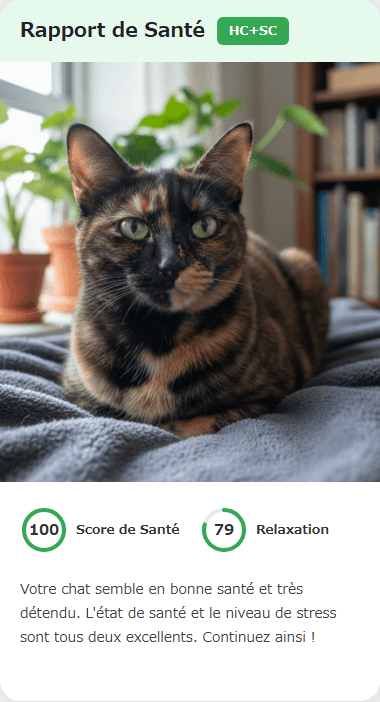

Ces symptômes vous inquiètent ?
N'attendez pas en espérant que ça passe. L'IA de CatsMe analyse la photo de votre chat et détecte les signes préoccupants en quelques secondes.
Plus de 380 000 propriétaires de chats dans 50 pays font confiance à CatsMe


FeLV vs. FIV: Key Differences
Feline Leukemia Virus (FeLV):
- Primary transmission: saliva (mutual grooming, shared food bowls, bite wounds)
- Causes immune suppression and can trigger cancers such as lymphoma
- Vaccine available (recommended for at-risk cats)
- Prognosis: Relatively serious — about 80% of persistently infected cats develop FeLV-related illness within 3 years
Feline Immunodeficiency Virus (FIV):
- Primary transmission: deep bite wounds — casual contact like grooming rarely transmits it
- Causes gradual immune decline similar to HIV in humans, but progression is very slow
- No widely approved vaccine in most regions
- Prognosis: The asymptomatic carrier phase often lasts several years to over a decade
Testing Methods and When to Test
SNAP test (in-clinic rapid test): A single drop of blood screens for both FeLV antigen and FIV antibodies in about 10 minutes. Cost: $25–$40 (¥3,000–5,000).
When to test:
- When bringing a new cat home (mandatory)
- After contact with outdoor or stray cats
- When unexplained illness persists
- If your cat seems lethargic for an extended period
Important caveat: The FIV test detects antibodies, so cats previously vaccinated against FIV or kittens carrying maternal antibodies can produce false positives. Kittens should be retested after 6 months of age.
Managing Life with a Positive Cat
Indoor-only living: Strictly keeping the cat indoors is essential — both to prevent transmission to other cats and to protect an immunocompromised cat from outside infections.
Regular checkups: Bloodwork twice a year to monitor immune function and organ health.
Stress management: Reducing stress is vital for maintaining immune function. Learn to spot signs of stress in cats and create a calm, enriched environment.
Nutrition: Feed a high-quality, nutritionally complete diet. Avoid raw meat, which carries infection risk for immunocompromised cats.
Multi-cat households: FIV is transmitted only through bite wounds, so bonded cats that do not fight can often coexist safely. FeLV spreads through saliva, so separation is recommended.
Early Detection & How FeLV/FIV Progress Over Time
Both FeLV and FIV are typically silent in their early stages — detection without testing is virtually impossible. Understanding the progression pattern helps you know what to watch for and when.
FeLV progression:
- Initial infection (first few weeks): Transient fever and swollen lymph nodes. Most owners do not notice anything unusual.
- Persistent infection phase: The virus establishes itself in the bone marrow and immune function begins a gradual decline.
- Clinical disease phase: Anemia, lymphoma, and opportunistic infections due to immune suppression emerge. On average, clinical signs develop within 2 to 3 years of persistent infection.
FIV progression:
- Acute phase (first few weeks): Mild fever and lymph node enlargement.
- Asymptomatic carrier phase: The cat appears completely healthy for several years to over a decade — this is the longest stage.
- AIDS phase: Chronic stomatitis, persistent upper respiratory infections, skin infections, and progressive weight loss.
Recommended monitoring schedule for positive cats:
- Blood work (complete blood count plus chemistry panel) every 6 months
- Urinalysis once a year
- Close attention to any weight changes or signs of persistent lethargy
Catching secondary conditions early and addressing them promptly can significantly extend both the quality and length of life for FeLV- or FIV-positive cats.
Testing Costs & Ongoing Care Expenses for FeLV/FIV-Positive Cats
Having a clear picture of the costs involved helps you plan sustainable long-term care for an FeLV- or FIV-positive cat.
Initial testing costs:
- SNAP test (combined FeLV antigen + FIV antibody): $25 to $40 (¥3,000–5,000)
- Confirmatory testing (Western blot, IFA, or PCR): $40 to $120 (¥5,000–15,000). Recommended when a SNAP test comes back positive to rule out false results.
Annual monitoring costs:
- Blood work twice yearly: $80 to $250 (¥10,000–30,000)
- Urinalysis once yearly: $15 to $30 (¥2,000–4,000)
- Annual total: approximately $100 to $280 (¥15,000–35,000)
Treating opportunistic infections:
- Stomatitis: $40 to $250 (¥5,000–30,000), depending on severity
- Upper respiratory infection: $40 to $120 (¥5,000–15,000)
- Skin infections: $40 to $80 (¥5,000–10,000)
Vaccination: Core vaccines (FVRCP) are still recommended for positive cats to provide baseline protection. Cost: $25 to $40 (¥3,000–5,000) per year.
Do not let cost concerns discourage you from caring for an FeLV/FIV-positive cat. Even basic measures — quality nutrition and stress reduction — make a meaningful difference. Carelogy's online consultation service can help you design a care plan that balances effectiveness with affordability.
Welcoming an FeLV/FIV-Positive Cat: A Guide to Long-Term Living
Whether you are adopting a positive cat or just learned that your beloved cat has tested positive, here is what you need to know for the road ahead.
The right mindset:
- A positive test does not mean your cat is immediately or severely ill. FIV-positive cats, in particular, often live healthy lives for many years.
- Consistent health monitoring and a supportive home environment are the foundations of longevity.
Daily immune support:
- High-quality nutrition: Choose protein-rich, highly digestible food to fuel the immune system.
- Supplements: L-lysine may help reduce herpesvirus reactivation in FIV cats, and probiotics support gut health and overall immunity.
- Strict indoor living: Eliminating exposure to outdoor pathogens protects an already compromised immune system.
Warning signs that demand an immediate vet visit:
- Loss of appetite persisting for more than two days
- Redness or ulcers inside the mouth — early signs of stomatitis
- Wounds or skin infections that are slow to heal
- Progressive weight loss
- Chronic sneezing or nasal discharge
A note on adoption: FIV- and FeLV-positive cats are often the hardest to place in shelters, yet countless owners have demonstrated that these cats can live full, joyful lives with proper care. Choosing to adopt a positive cat is a deeply meaningful act that truly saves a life.
Pourriez-vous répondre « depuis quand ça dure ? »
Quand votre vétérinaire pose la question, ne restez pas sans réponse. CatsMe enregistre automatiquement les scores de santé quotidiens, partageables en un seul geste.
FeLVFIV猫白血病猫エイズウイルス猫の病気
FAQ
 CatsMe
Soyez prêt à agir dès que vous sentez que quelque chose cloche
Une seule photo suffit : l'IA lit la douleur et l'état de santé sur l'expression de votre chat. Vérifiez au moment où vous vous inquiétez et partagez le suivi avec votre vétérinaire.