

What Is the Socialization Period & Why Does It Matter?
The socialization period (2-14 weeks of age) is the window when kittens are most receptive to new stimuli and experiences. Research shows that kittens exposed to diverse experiences during this period grow into stress-resilient, friendly, and adaptable adult cats.
Conversely, cats that had minimal contact with humans or environmental stimuli during this window tend to be fearful, more prone to aggression, and sensitive to stress as adults.
Socialization Stages
- 2-3 weeks: Senses begin developing; interactions with littermates start
- 3-7 weeks: Peak sensitivity — human contact is especially critical
- 7-14 weeks: Receptivity to new experiences persists but gradually diminishes; fear responses begin emerging
Time with Mother & Littermates Matters
Kittens separated from the mother before 8 weeks often develop issues like poor bite inhibition, excessive aggression, and separation anxiety. The recommended age to adopt a kitten is 8 weeks or older.
Training cats that missed the socialization window is still possible, but it requires considerably more time and patience.
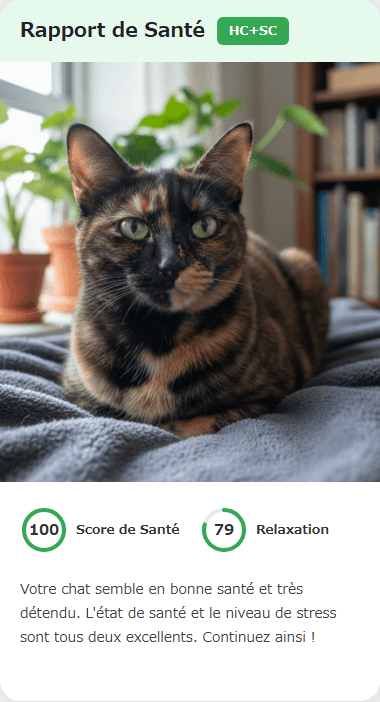

Le compagnon au quotidien de votre chat
Rappels de toilettage, suivi du poids, routine de soins… CatsMe centralise tout dans une seule application.
Plus de 380 000 propriétaires de chats dans 50 pays font confiance à CatsMe


Experiences Your Kitten Should Have
Introduce the following stimuli and experiences gradually and in a positive manner. Forcing interactions is counterproductive.
Human Contact
- Spend 5-10 minutes daily gently holding and petting the kitten (ideally by different people)
- Expose the kitten to diverse people — men, women, children, and the elderly
- Practice touching paws, ears, and the mouth area (preparation for future nail trims, ear cleaning, and tooth brushing)
Sound Habituation
- Vacuum cleaner, hair dryer, washing machine
- Television, music, doorbell
- Traffic noise (through a slightly open window)
Object & Place Familiarity
- Carrier (establish it as a fun place)
- Various floor surfaces (hardwood, carpet, tile)
- Cat harness (if future use is planned)
Animal Exposure
- Short, supervised meetings with calm adult cats or vaccinated dogs
- Always supervise; stop immediately if the kitten shows stress
The Golden Rule: Every new experience must be paired with positive rewards such as treats or play. If the kitten resists, back off and try again the next day.
Practical Socialization Training Tips
Sample Daily Schedule
- Morning: 5-minute handling session (touching various body parts) + treat
- Midday: Exposure to a new environmental sound + play session
- Evening: Interaction with a different family member + treat
Handling Technique
1. Start when the kitten is relaxed
2. Begin by gently stroking the whole body
3. Progress to touching each paw individually (preparing for nail trims)
4. Gently flip the ears open (preparing for ear cleaning)
5. Touch around the mouth (preparing for tooth brushing)
6. Softly touch the belly (preparing for vet exams)
7. Reward with a treat after each step
Common Mistakes to Avoid
- Overwhelming the kitten with too many new stimuli at once
- Continuing when the kitten is clearly frightened
- Using punishment-based training (kittens learn nothing from punishment except fear)
- Stopping all new experiences once the socialization window closes
If the Socialization Window Has Passed
Adult cats can still improve through gradual desensitization and positive reinforcement. It simply takes more time than with kittens. Respect the cat's pace and consider consulting a veterinary behaviorist.
Practical Application: Integrating Socialization into Daily Life
Socialization training does not have to be confined to dedicated sessions — it can be woven into every aspect of daily life. In fact, a natural, low-pressure approach often produces better results for the kitten.
Getting Comfortable with the Vet Clinic
Teach the kitten early that the veterinary clinic is a place where treats happen, not a source of fear. Arrange "happy visits" where you bring the healthy kitten to the waiting room simply to sit, receive treats, and leave. This positive conditioning makes future routine checkups far less stressful for both the cat and the owner.
Building Confidence Around Visitors
To prevent a cat that hides every time the doorbell rings, expose the kitten to a variety of houseguests during the socialization window. Ask visitors to offer a treat with an outstretched hand, but always let the kitten approach at its own pace. Forcing contact teaches the kitten that strangers are threatening rather than rewarding.
Adapting to Household Sounds
Start desensitization at a low volume and gradually increase it while pairing each session with treats or play. Common triggers include vacuum cleaners, blenders, washing machines, and doorbells. You can also play recordings of thunder and fireworks at a soft level to preempt panic reactions as the cat matures.
Familiarization with Travel
Before car travel becomes a necessity, give the kitten short experiences sitting inside a carrier in a stationary car, then progress to brief drives around the block. Repeated, low-stress exposure to engine noise and motion dramatically reduces anxiety during future vet trips and relocations.
Expert Tips for Successful Socialization
Animal behavior specialists emphasize that quality matters more than quantity when it comes to socialization training. Below are advanced techniques recommended by professionals in the field.
The "Three-Second Rule"
After petting the kitten, pause for three seconds and observe its reaction. If the kitten leans in or nudges your hand, it is asking for more. If it moves away, it has had enough. This approach gives the kitten a sense of choice and control, which deepens its trust in humans and builds a more confident adult cat.
Create a Socialization Checklist
Professional breeders and animal behaviorists maintain a written list of experiences a kitten should have during the socialization period and track progress. Goals might include "interact with five or more people of different ages," "walk on at least three different floor surfaces," and "relax in a carrier for ten minutes or longer." A structured checklist ensures nothing is overlooked.
Leverage the Power of Scent
Cats rely heavily on their sense of smell. Before introducing the kitten to a new environment or object, rub a towel on the item and let the kitten investigate the scent at its own pace. Pre-exposure through smell significantly reduces stress responses when the kitten encounters the real thing.
Observe Littermate Play
Play between siblings teaches critical life skills — bite inhibition, body-language reading, and social rules. Kittens that miss out on this learning tend to retain biting habits into adulthood. Whenever possible, keep kittens with their litter until at least twelve weeks of age to maximize this natural education.
When to Seek Professional Help with Socialization
Many socialization challenges can be addressed with consistent home training, but the following situations warrant consultation with an animal behaviorist or veterinarian.
Signs You Should Seek Help
- Extreme fear or aggression that has not improved after several weeks of steady effort
- Intense biting or scratching whenever anyone attempts to touch the kitten
- Panic responses to virtually all stimuli, not just specific triggers
- Over-grooming or self-harming behavior
- Persistent elimination outside the litter box
What a Professional Can Offer
A board-certified veterinary behaviorist will conduct a thorough behavioral assessment and design an individualized modification program grounded in evidence-based science. In some cases, short-term anti-anxiety medication such as gabapentin may be used alongside behavioral work to lower the kitten's baseline stress and accelerate progress.
Ruling Out Medical Causes
Behavioral problems are not always rooted solely in poor socialization. Underlying pain or hearing and vision impairments can shape how a kitten responds to the world. A veterinary examination to rule out physical issues should always be the first step before attributing problems purely to socialization deficits.
Rescue Cats and Former Strays
Cats that had no human contact during the socialization window require an especially patient approach. Start by simply sharing the same room without attempting interaction, and allow the cat to initiate contact voluntarily. Progress is measured in weeks and months rather than days, but meaningful improvement is achievable with dedication.
Long-Term Maintenance & Continued Learning
The social skills a kitten acquires during the sensitive period are maintained and strengthened through ongoing experience. Socialization does not end when the window closes — providing new, positive experiences throughout the cat's life is essential for preserving those early gains.
Keeping Social Skills Sharp
- Welcome guests regularly so the cat does not lose comfort around unfamiliar people
- Introduce new toys and subtle environmental changes to provide mental stimulation
- Continue bonding through regular play sessions
- A few times a year, expose the cat to a new setting such as a pet-friendly cafe or a friend's home
Preparing for Major Life Changes
Events like moving house, the arrival of a baby, or adding a new pet represent significant disruptions. Prepare the cat by gradually introducing associated smells and sounds well in advance. A phased approach minimizes stress and helps the cat adapt without regression.
Socializing Multiple Cats
If you are planning a multi-cat household, introductions must be gradual. Start by keeping the cats in separate rooms and exchanging scents via bedding or towels. Progress to visual contact through a baby gate before allowing supervised face-to-face meetings, increasing duration over days and weeks.
Keep a Progress Journal
Documenting your kitten's socialization milestones — which stimuli were introduced, how the kitten responded, and how behavior changed over time — creates a valuable reference for future adjustments. Photos and short video clips also provide objective evidence of behavioral progress that is difficult to track from memory alone.
Pourriez-vous répondre « depuis quand ça dure ? »
Quand votre vétérinaire pose la question, ne restez pas sans réponse. CatsMe enregistre automatiquement les scores de santé quotidiens, partageables en un seul geste.
子猫社会化トレーニングしつけ子猫の育て方
FAQ
 CatsMe
Soyez prêt à agir dès que vous sentez que quelque chose cloche
Une seule photo suffit : l'IA lit la douleur et l'état de santé sur l'expression de votre chat. Vérifiez au moment où vous vous inquiétez et partagez le suivi avec votre vétérinaire.