

The Bottom Line: Vomiting Multiple Times a Month Is NOT Normal
Do you believe "cats just vomit a lot"? In reality, vomiting more than twice a month is abnormal and may signal a gastrointestinal disorder, including inflammatory bowel disease (IBD).
IBD is one of the leading causes of chronic digestive symptoms in cats, and proper diagnosis and treatment can dramatically improve quality of life. If your cat has been dealing with ongoing vomiting, diarrhea, or weight loss, it is time to have a conversation with your veterinarian.
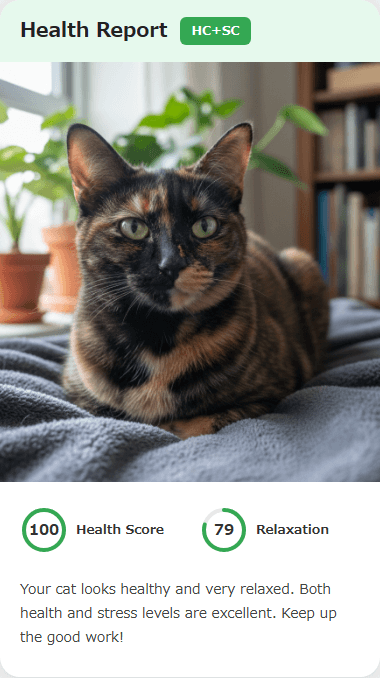

Worried about these symptoms?
Don't wait and wonder. CatsMe's AI analyzes your cat's photo to flag health concerns in seconds.
50 देशों में 380,000 से अधिक बिल्ली मालिक CatsMe पर भरोसा करते हैं


Symptoms and Progression of IBD
Typical symptoms:
- Chronic vomiting: Once a week or more, lasting weeks to months
- Chronic diarrhea: Persistent soft or watery stools
- Weight loss: Gradual, even when appetite is maintained
- Appetite changes: Usually decreased, but sometimes increased
- Rumbling gut sounds: Indicating hyperactive intestinal motility
Characteristic course: IBD tends to wax and wane, gradually worsening over time. The classic pattern is "things seemed fine for a while, then the vomiting started again."
Important: IBD and intestinal lymphoma share very similar symptoms. A biopsy is required to tell them apart with certainty.
The Diagnostic Process
Diagnosing IBD is fundamentally a process of exclusion — ruling out other conditions step by step.
Step 1: Blood work, urinalysis, and fecal tests to exclude parasites, kidney disease, hyperthyroidism, pancreatitis, and other conditions.
Step 2: Abdominal ultrasound to check for thickened intestinal walls and enlarged lymph nodes.
Step 3: Endoscopic biopsy is the gold standard. Under general anesthesia, small tissue samples are collected from the intestinal lining and sent for histopathology. This step is also essential for differentiating IBD from intestinal lymphoma.
The total cost of a full diagnostic workup typically ranges from roughly $350 to $1,000, depending on your location and the tests performed.
Treatment and Long-Term Management
Dietary therapy (first-line treatment):
- Novel protein diet: A prescription food containing a protein your cat has never eaten before (venison, kangaroo, etc.)
- Hydrolyzed protein diet: Proteins broken down into tiny fragments that are less likely to trigger an immune reaction
- A strict 6-to-8-week food trial is needed to evaluate the response
Medications:
- Prednisolone (corticosteroid): Used when inflammation is significant. Treatment starts at a high dose and is gradually tapered
- Budesonide: A locally acting steroid with fewer systemic side effects
- Chlorambucil: An immunosuppressant added when steroids alone are not enough
- Vitamin B12 supplementation: Chronic intestinal inflammation impairs B12 absorption, so injections or high-dose oral supplements are often needed
For most cats, a combination of dietary therapy and steroids achieves good long-term symptom control.
Early Detection of IBD: Warning Signs That Are Easy to Miss
The earliest signs of IBD are routinely dismissed because of the widespread misconception that "cats just vomit a lot." Being able to distinguish normal from abnormal puts you ahead of the curve.
Easily overlooked warning signs:
- Vomiting two or more times per month for several months running
- Stools that have become softer than usual — not full-blown diarrhea, but not well-formed either
- Gradual weight loss despite eating a normal amount
- A slight deterioration in coat quality, reflecting poor nutrient absorption
- More frequent gurgling or rumbling sounds from the abdomen
Drawing the line between normal and abnormal vomiting:
- Coughing up a hairball roughly once a month is considered within normal limits
- Vomiting undigested food shortly after eating once a week or more is not normal
- Vomiting yellow liquid (bile) on an empty stomach is a red flag
- Vomiting accompanied by weight loss warrants an immediate vet visit
When IBD is caught early, dietary therapy alone may control symptoms effectively, potentially minimizing or eliminating the need for long-term steroid use.
IBD Diagnostic Costs: A Detailed Breakdown
The IBD diagnostic workup is performed in stages, with costs varying based on how deep the investigation goes.
Stage 1 (baseline testing): $80 to $200 (¥10,000–25,000)
- Blood work (CBC and chemistry panel): $40 to $120
- Fecal exam (to rule out parasites and pathogens): $8 to $25
- Urinalysis: $15 to $30
- fPLI test (to rule out pancreatitis): $40 to $80
Stage 2 (imaging): $40 to $120 (¥5,000–15,000)
- Abdominal ultrasound: Checks for intestinal wall thickening (normal is 2.5 mm or less) and enlarged lymph nodes
Stage 3 (definitive diagnosis): $400 to $1,200 (¥50,000–150,000)
- Endoscopy with biopsy: Performed under general anesthesia. Essential for confirming IBD and differentiating it from lymphoma
- Histopathology: Analysis of tissue samples
- Immunohistochemistry: An additional $80 to $160 if needed
Total: Basic screening alone runs $150 to $250. With endoscopy included, expect $700 to $1,600 in total.
Some veterinarians opt for a therapeutic trial (diet change plus steroids, then observing the response) without biopsy, but endoscopic biopsy remains recommended to rule out lymphoma definitively.
Living with IBD: Managing Flare-Ups & Preventing Relapse
IBD is rarely cured outright, but with diligent management many cats maintain an excellent quality of life for years.
Common triggers for flare-ups:
- Any change in diet (even switching to a "better" food can upset the balance)
- Stress events (visitors, moving, construction noise)
- Abruptly reducing or stopping steroid medication
- Seasonal transitions
What to do when a flare-up happens:
- Contact your vet to discuss a temporary increase in steroid dosage
- Revert to the most easily digestible version of the prescription diet
- Additional vitamin B12 supplementation may be needed during flares
Daily management checklist:
- Strict dietary consistency — nothing but the prescribed food, no exceptions
- Regular monitoring: blood work and weight checks every 3 to 6 months
- Medication compliance: never adjust or stop steroids without veterinary guidance
- Stress reduction: stay alert for signs of stress and address them early
Using the CatsMe app to log vomiting frequency, stool quality, and weight creates an invaluable long-term record. Identifying patterns in the data is the key to staying one step ahead of flare-ups.
क्या आप जवाब दे पाएंगे — "यह कब से हो रहा है?"
जब पशु चिकित्सक पूछे, तो बिना जवाब न रहें। CatsMe रोज़ाना स्वास्थ्य स्कोर अपने आप रिकॉर्ड करता है जिसे एक टैप से शेयर किया जा सकता है।
IBD慢性嘔吐慢性下痢消化器猫の病気
FAQ
 CatsMe
जिस पल कुछ गलत लगे, उसी पल तैयार रहें
बस एक फ़ोटो लें — AI आपकी बिल्ली के हावभाव से दर्द और सेहत का आकलन करता है। जब भी चिंता हो तभी जाँचें, और रिकॉर्ड अपने पशु-चिकित्सक के साथ साझा करें।