

Recognizing a Cat Emergency: When to Rush to the Vet
The following symptoms represent life-threatening emergencies. While providing first aid, contact the nearest veterinary hospital immediately and arrange transport.
Respiratory Emergencies
- Open-mouth breathing or panting (abnormal in cats)
- Respiratory arrest
Cardiovascular Emergencies
- Sudden hind-leg paralysis (a complication of heart disease — arterial thromboembolism)
- Heavy bleeding
- White or pale gums (signs of shock)
Urinary Emergencies
- Inability to urinate (especially in male cats; can become fatal within 6-12 hours)
Neurological Emergencies
- Seizures lasting longer than 5 minutes
- Loss of consciousness
Other Emergencies
- Poisoning (lily or antifreeze ingestion)
- Falls from height or traffic accidents
- Heatstroke (body temperature above 40.5 °C / 105 °F)
Save the contact information for your nearest after-hours emergency veterinary hospital in your phone now — before you need it.
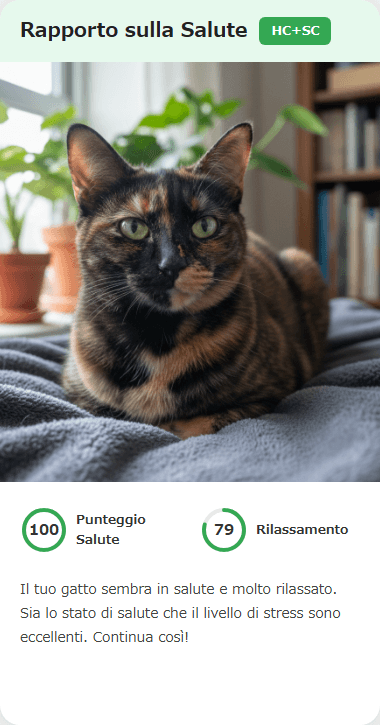

Individua i problemi prima che si manifestino
Il monitoraggio quotidiano rende possibile la diagnosi precoce. CatsMe registra i cambiamenti in automatico perché nulla ti sfugga.
Oltre 380.000 proprietari di gatti in 50 paesi si affidano a CatsMe


First Aid for Common Cat Emergencies
Bleeding
- Apply direct pressure to the wound with clean gauze for 5-10 minutes
- Do not lift the gauze to check — this disrupts clot formation
- Get to a veterinary hospital promptly
Ingestion of Toxins or Foreign Objects
- Identify what was eaten, how much, and when
- Do not induce vomiting on your own
- Preserve any remaining substance and bring it to the hospital
- Contact a veterinary hospital immediately
Seizures
- Clear away nearby hazards
- Do not touch the cat or put your hand in its mouth
- Time the seizure and record video if possible
- If it lasts longer than 5 minutes, rush to an emergency vet
Suspected Fracture
- Do not attempt to move or straighten the limb
- Place the cat gently into a carrier and head to the hospital
Burns
- Cool the area under running water for 15-20 minutes
- Do not apply ice directly or use ointments
- Seek veterinary care
Building a Pet First Aid Kit
Keep a pet first aid kit ready so you can respond immediately in an emergency.
Essential Kit Contents
- Sterile gauze pads and bandages
- Medical tape
- Scissors (for cutting bandages)
- Tweezers
- Disposable gloves
- Styptic powder (to stop minor bleeding)
- Digital rectal thermometer (a cat's normal temperature is 38.0-39.2 °C / 100.4-102.5 °F)
- Syringes (for administering medication or fluids)
- Sterile saline solution (for wound irrigation)
- Towels and a blanket
- An Elizabethan collar (e-collar)
Useful Extras
- Your regular veterinary clinic's phone number
- After-hours emergency hospital contact info
- A copy of your cat's medical history and medication list
- A copy of your pet insurance card
Important Mindset
First aid is only a temporary measure until you reach the veterinary hospital. Always follow up with professional care. Be mindful of your own safety as well — a panicked cat may bite or scratch, so handle with care.
Practical Guide: Emergency Decision-Making Flowchart
When you face a feline emergency, staying calm and acting methodically is crucial. Here is a practical step-by-step flowchart to guide your response.
Step 1: Ensure Safety
Secure your own safety first. A panicked cat may bite, so use thick gloves or a towel when handling. In the case of a traffic accident, confirm road safety before approaching the cat.
Step 2: Assess the Situation
Perform an ABC check.
- A (Airway): Check whether the mouth is clear of obstructions
- B (Breathing): Observe chest movement and count the respiratory rate
- C (Circulation): Check gum color — pink means normal, white indicates shock, and blue signals oxygen deprivation
Step 3: Administer First Aid
Provide the appropriate first aid based on the symptoms. Refer to the first-aid procedures outlined earlier in this article for specific guidance.
Step 4: Contact the Veterinary Hospital
Call the veterinary hospital while performing first aid and communicate the following.
- What happened (circumstances of the accident, substance ingested, etc.)
- The cat's current condition (consciousness, breathing, presence of bleeding)
- Your estimated time of arrival
Step 5: Safe Transport
Place the cat in a carrier or a cardboard box lined with a towel, keeping the body as stable as possible during transit. If a fracture is suspected, minimize movement of the body to prevent further injury.
Expert Analysis: Household Hazards and Poison Prevention
Many feline emergencies are caused by household hazards. Drawing on veterinary toxicology expertise, here is a detailed look at the most dangerous threats and how to prevent them.
Substances Especially Dangerous to Cats
1. Lily Family Plants (Most Dangerous)
Lilies, Casablanca lilies, and tulips carry lethal nephrotoxicity for cats — even licking the pollen can trigger acute kidney failure. Homes with cats should never have these plants.
2. Antifreeze (Ethylene Glycol)
Its sweet taste attracts cats. Even tiny amounts can be fatal, and treatment must begin within three hours of ingestion.
3. Human Medications
Acetaminophen (Tylenol, paracetamol) is lethal to cats — a single tablet can be fatal. Ibuprofen is also dangerous. Always store medications where cats cannot reach them.
4. Essential Oils and Aromatherapy
Many essential oils including tea tree, peppermint, and eucalyptus are toxic to cats. Avoid using diffusers in environments where cats are present.
5. Human Foods
Onions, garlic (allium family), chocolate, alcohol, caffeine, and grapes or raisins are all harmful to cats.
Home Safety Checklist for Prevention
- Store all medications in a locked cabinet
- Remove all toxic plants from the home
- Put away small parts, strings, and rubber bands
- Keep cleaning products and chemicals out of reach
- Use trash cans with secure lids
When to Take Action: Critical Mistakes to Avoid in Cat First Aid
Knowing what NOT to do during an emergency is just as important as knowing the correct first aid procedures. Here are critical mistakes that can make the situation worse.
Actions You Must Never Take
1. Inducing Vomiting on Your Own
Feeding a cat salt water or hydrogen peroxide to induce vomiting is extremely dangerous. If the cat ingested a corrosive substance such as bleach or detergent, vomiting causes double damage to the esophagus. Always contact a veterinary hospital for guidance first.
2. Administering Human Medications
Acetaminophen and ibuprofen are fatal to cats. There is no safe small dose — feline metabolism is fundamentally different from human metabolism.
3. Touching a Seizing Cat or Putting Your Hand in Its Mouth
During a seizure, limit your intervention to removing nearby hazards. Cats bite involuntarily during seizures, and placing your hand near the mouth risks serious injury to you.
4. Applying Alcohol or Disinfectant Directly to Wounds
Povidone-iodine and rubbing alcohol are too harsh for cat skin. Use sterile saline solution or clean tap water to irrigate wounds.
5. Trying to Splint a Fractured Leg
Improper splinting can worsen pain and aggravate the fracture. Keep the cat as still as possible and transport directly to the veterinary hospital.
6. Waiting Several Days to See If Things Improve
Cats instinctively hide pain. Looking fine on the outside does not rule out serious internal damage. After a fall from height or a traffic accident, always seek veterinary care.
Making the Right Call
When in doubt, call your veterinary hospital or use Carelogy's online consultation. It is far better to err on the side of caution than to regret not having acted sooner.
Resources & Preparedness for Pet Emergencies
Advance preparation for emergencies dramatically improves your ability to respond when every second counts.
Contacts to Save in Your Phone
- Your regular veterinary clinic's phone number and hours
- Nearest after-hours emergency veterinary hospital's phone number and address
- Animal poison control hotline
- Carelogy online consultation contact
Regular First Aid Kit Inspections
Review the contents of your first aid kit every three months.
- Restock consumables such as gauze, bandages, and gloves
- Check the battery on your digital thermometer
- Verify the expiration date on styptic powder
- Update the emergency contact list
Taking a Pet CPR Course
Attending a pet CPR (cardiopulmonary resuscitation) course offered by veterinary clinics or pet organizations is strongly recommended. Acquiring hands-on skills before an emergency arises dramatically improves your response capability when it matters most.
Sharing Information with All Family Members
Make sure every member of the household knows the emergency response procedures and has the veterinary hospital's contact information. It is equally important that everyone is aware of the cat's food allergies, chronic conditions, and current medications.
Related Carelogy Articles
- Toxic Foods and Substances for Cats: Preventing accidental ingestion
- Breathing Difficulty in Cats: Assessing respiratory emergencies
- Cat Seizures: How to respond during a seizure
- Heatstroke Prevention: Warm-weather emergencies
- Pet Insurance Guide: Financial preparedness for emergency care
Sapresti rispondere "da quando sta così?"
Quando il veterinario chiede, non restare senza risposta. CatsMe registra automaticamente i punteggi di salute giornalieri che puoi condividere con un tocco.
救急応急処置緊急事態中毒外傷
FAQ
 CatsMe
Sii pronto ad agire nel momento in cui senti che qualcosa non va
Basta una foto: l'IA legge dolore e condizioni di salute dall'espressione del tuo gatto. Controlla nel momento in cui ti preoccupi e condividi il diario con il veterinario.