

What to Prepare Before Your Vet Visit
A little advance preparation goes a long way toward making a veterinary visit productive.
Pre-Visit Checklist
- Write down symptoms: When they started, how often they occur, what makes them worse, and any photos or videos
- Diet and elimination log: Type of food, appetite changes, changes in water intake, and any abnormalities in urination or defecation
- Medication info: Current medications and supplements, vaccination history, and flea/parasite prevention status
- Past medical records: Test results from other clinics, surgical history, and known allergies
- Question list for the vet: Jot down anything you want to ask
To communicate efficiently with the veterinarian, summarize your observations in a simple format: "when it started, what the symptoms are, and how frequently they occur."
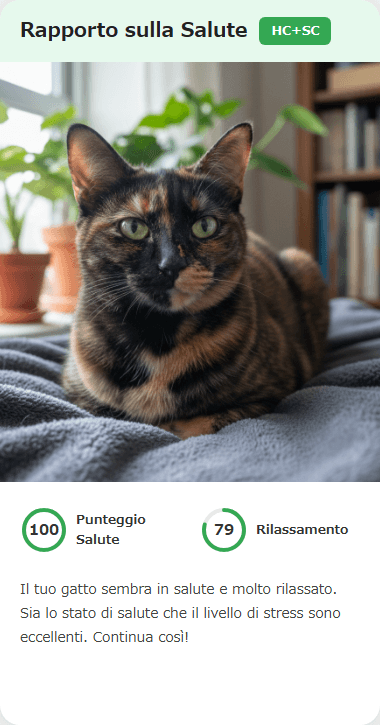

Individua i problemi prima che si manifestino
Il monitoraggio quotidiano rende possibile la diagnosi precoce. CatsMe registra i cambiamenti in automatico perché nulla ti sfugga.
Oltre 380.000 proprietari di gatti in 50 paesi si affidano a CatsMe


What to Bring & Tips for Reducing Stress on the Day
What to Bring
- A sturdy carrier
- A towel or blanket (to cover the carrier and reduce visual stress)
- Feliway spray (apply to the carrier 30 minutes before departure)
- Videos or photos of symptoms on your smartphone
- Stool or urine samples if needed
- Clinic card and pet insurance card
- Treats (as a reward after the exam)
Tips for Reducing Stress
- Choose a clinic that takes appointments to minimize wait time
- In the waiting room, drape a towel over the carrier so your cat cannot see other animals
- Sit away from dogs
- Place the carrier on a chair rather than the floor (cats feel safer at a higher elevation)
Traveling by Car
- Secure the carrier with a seatbelt
- Keep the car at a comfortable temperature with air conditioning
- For cats prone to car sickness, withhold food before the visit (confirm with your vet first)
How to Communicate Effectively with Your Veterinarian
Priority of Information to Share
1. Chief complaint: "My cat has been vomiting for three days."
2. Onset and progression: "It started once a day but increased to three times yesterday."
3. Changes in appetite, water intake, and elimination
4. Behavioral changes
5. Medical history and current medications
Using Video
Veterinarians find videos of active symptoms extremely helpful. Record seizures, abnormal breathing, gait problems, or straining to urinate whenever possible.
Sample Questions for Your Vet
- "What tests are needed?"
- "What is the prognosis for this condition?"
- "What should I watch for at home?"
- "When should I schedule a follow-up?"
- "Can you give me an estimate of treatment costs?"
You can also use Carelogy's online consultation to speak with a veterinarian before your visit and determine whether an in-person appointment is necessary.
Practical Guide to Minimizing Veterinary Visit Stress
Visiting the veterinary clinic is a stressful experience for most cats. With proper preparation and the right techniques, you can significantly reduce your cat's anxiety and make the trip smoother for everyone involved.
Carrier Training (Start 2-4 Weeks Before the Visit)
- Leave the carrier out in a common room so it becomes part of the everyday landscape
- Place a favorite blanket and treats inside the carrier
- Praise the cat whenever they enter the carrier voluntarily
- Practice short car rides to build comfort with vehicle travel
Using Feliway
Spraying synthetic feline pheromone (Feliway) inside the carrier 30 minutes before departure can measurably reduce cat stress. Both spray and diffuser formats are available.
Choosing a Cat-Friendly Clinic
Clinics that hold Cat Friendly Clinic certification provide cat-only waiting areas and examination rooms, minimizing the visual and auditory stress caused by the presence of dogs.
Morning-of Routine
- Follow your normal morning routine and avoid creating a tense atmosphere
- A top-opening carrier makes examination much easier for the veterinarian
- Secure the carrier with a seatbelt on the back seat rather than the front passenger seat
- After arriving at the clinic, allow five minutes in the car for your cat to settle before going inside
Expert Analysis: Building a Strong Vet-Owner Relationship
The quality of communication between you and your veterinarian has a direct impact on the standard of care your cat receives. Here is an inside look at what veterinarians value most in the owner-vet relationship and how you can strengthen that partnership.
What Veterinarians Want Most from Owners
1. Accurate information: Be specific about when symptoms started, how often they occur, and how severe they are
2. Continuity: Visit the same clinic regularly so medical records accumulate and patterns become visible
3. Honest questions: Do not hesitate to ask about costs, treatment risks, and alternative options
4. Treatment compliance: Administer prescribed medications exactly as directed
Making the Most of Second Opinions
Seeking another veterinarian's perspective is well within your rights as a pet owner. You do not need to worry about offending your regular vet. Having copies of your cat's medical records and test results prepared in advance makes the second opinion consultation far more productive.
Leveraging Online Consultations
Carelogy's online consultation service is particularly valuable in situations such as the following.
- When you are unsure whether a clinic visit is necessary
- For follow-up consultations when travel to the clinic is difficult
- When you have concerns about side effects of prescribed medication
- For routine health questions about senior cats
Communication Tips
Instead of saying "I will leave it up to you, doctor," try asking "What are the pros and cons of this treatment?" This opens the door to a deeper, more collaborative dialogue. Managing your cat's health is a team effort between you and your veterinarian.
When to Take Action: Urgency Assessment for Vet Visits
Many cat owners face the dilemma of whether a particular symptom warrants a veterinary visit. Below is a symptom-based urgency guide to help you make informed decisions quickly.
Go Immediately (Emergency)
- Breathing difficulty with open-mouth panting
- Unable to urinate (especially in male cats for more than 6 hours)
- Heavy bleeding or severe trauma
- Seizures lasting longer than 5 minutes
- Unconscious or completely limp
- Suspected poisoning (lilies, antifreeze, etc.)
Within 24 Hours
- Vomiting three or more times in one day
- Not eating for more than 24 hours
- Fever — ears feel abnormally hot
- Lethargic and hiding
- Straining to urinate or blood in urine
Within a Few Days
- Mild diarrhea persisting for two to three days
- Slight decrease in appetite
- Ongoing sneezing or nasal discharge
- Noticeable weight change
- Deterioration in coat quality
Discuss at Next Routine Checkup
- Gradual behavioral changes
- Slowly increasing water intake
- Changes in food preferences
When in doubt, use Carelogy's online consultation. A veterinarian can listen to the symptoms and advise whether an in-person visit is needed.
Resources & Tools for Veterinary Visits
Here are tools and resources to make your veterinary visits more productive and less stressful for both you and your cat.
Pre-Visit Checklist Template
Write down and bring the following items with you to every appointment.
- Chief complaint (the symptom that concerns you most)
- When symptoms started and how they have progressed
- Diet details and any changes in appetite
- Water intake and elimination pattern changes
- Behavioral changes
- Current medications and supplements
- A list of questions you want to ask
Leveraging CatsMe App Records
By tracking daily food intake, weight, and elimination with the CatsMe app, you can share accurate data with your veterinarian at each visit. Being able to objectively show when symptoms first appeared directly improves diagnostic accuracy.
Related Carelogy Articles
- Carrier Training: The foundation for stress-free clinic visits
- Vaccination Guide: Keeping immunization schedules on track
- Flea and Tick Prevention: Regular prevention checkpoints
- Health Checkup Importance: Age-appropriate screening items
- Pet Insurance Guide: Financial preparation for treatment costs
After-Hours Emergency Contacts
In case of emergencies outside your regular clinic's hours, save the contact information for your nearest after-hours emergency veterinary hospital in your phone. Regional veterinary association websites typically maintain directories of emergency clinics.
Using Carelogy Services
Carelogy's online consultation is valuable for pre-visit advice and post-visit follow-up. If traveling to a clinic is difficult, consider home-visit veterinary care as well.
Sapresti rispondere "da quando sta così?"
Quando il veterinario chiede, non restare senza risposta. CatsMe registra automaticamente i punteggi di salute giornalieri che puoi condividere con un tocco.
動物病院通院準備チェックリスト獣医師
FAQ
 CatsMe
Sii pronto ad agire nel momento in cui senti che qualcosa non va
Basta una foto: l'IA legge dolore e condizioni di salute dall'espressione del tuo gatto. Controlla nel momento in cui ti preoccupi e condividi il diario con il veterinario.