

The Bottom Line: Folded Ears Signal a Genetic Condition That Affects Every Scottish Fold
The Scottish Fold's signature folded ears are caused by a mutation in the TRPV4 gene. This same mutation disrupts normal cartilage formation throughout the body — not just in the ears — leading to a condition called osteochondrodysplasia (OCD). Every Scottish Fold with folded ears carries some degree of skeletal abnormality, though severity varies widely from cat to cat. Understanding this genetic reality is the first step toward giving your Fold the best possible care.
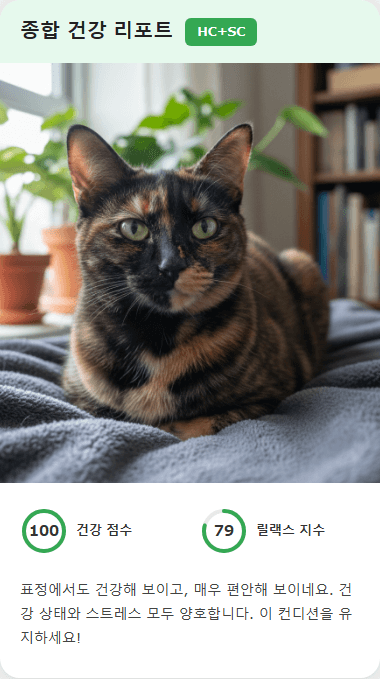

우리 고양이의 매일 건강 파트너
그루밍 알림부터 체중 변화까지, CatsMe 하나로 고양이 건강 관리를 간편하게 해보세요.
50개국 380,000명 이상의 보호자가 사용 중


Osteochondrodysplasia (OCD): Symptoms and Progression
OCD is a progressive, lifelong condition. Here is what to watch for at each stage.
Early (ages 1–2): A stiff, immobile tail or a short, stubby tail. Swollen ankle and wrist joints. Middle (ages 2–5): Awkward gait, limping, or reluctance to jump to high places. Late (age 5+): Severe joint deformity, chronic pain, and difficulty walking.
Early warning signs are often subtle — an unusual sitting posture or flinching when the tail is touched. These behavioral cues are your best opportunity for early intervention.
Ear Care and Preventing Ear Infections
The folded ear structure creates poor airflow, making Scottish Folds especially prone to ear infections (otitis externa) and wax buildup.
Check ears weekly for dark wax, odor, or head-shaking behavior, and clean them about once a month using a vet-approved ear cleanser. Never push cotton swabs deep into the ear canal — this can cause injury. If you notice excessive wax, a foul smell, or persistent scratching, schedule a vet visit promptly to prevent a mild issue from becoming a serious infection.
The Ethical Debate Surrounding Scottish Folds
Regulations around breeding fold-to-fold Scottish Folds are tightening worldwide. The Netherlands, Belgium, and Scotland have already banned or restricted breeding and sales of folded-ear Scottish Folds due to welfare concerns.
If you already have a Scottish Fold at home, the focus should not be on guilt but on providing the best medical care possible. Regular skeletal evaluations and proactive pain management are essential to preserving your cat's quality of life for years to come.
Age-Related Changes to Watch in Scottish Folds
Osteochondrodysplasia is a condition that progresses with certainty as a cat ages. A Scottish Fold that appeared only mildly affected as a kitten will almost always show more pronounced symptoms in the senior years.
Ages 5–8: The tail stiffness and joint swelling noticed early on worsen, and pain during walking becomes visible. This is the stage at which many Folds begin serious arthritis pain management. Ages 8–12: Deformity in multiple joints advances, making navigation of steps and elevated surfaces increasingly difficult. The cat may no longer be able to step over the litter box rim or reach any high perches. Age 12+: Chronic pain becomes severe, and quality-of-life assessment takes center stage. Muscle wasting (sarcopenia) compounds the mobility limitations imposed by OCD itself.
In addition to annual X-rays, recording your cat's movement on video every six months and sharing those clips with your vet allows for precise treatment fine-tuning. Even seemingly minor observations — "the sitting posture has changed" or "the tail no longer moves at all" — are worth documenting. Early recognition of incremental decline is what separates adequate care from truly proactive management.
Quality of Life Assessment for Scottish Folds
Since OCD cannot be reversed, treatment success should be measured by how comfortably your cat is living, not by how the X-rays look.
Periodically assess the following: (1) Mobility: Can the cat reach the litter box, food bowl, and bed independently? (2) Pain expression: Is the frequency of flinching, hissing, or biting when touched increasing? (3) Appetite: Is pain suppressing the desire to eat? (4) Grooming: Are there growing areas of unkempt fur where stiff joints prevent the cat from reaching? (5) Enjoyment: Does the cat still show interest in toys, sunny windowsills, and interaction with family members?
When scores start to decline, the response should be proactive — not passive. Consider adding a newer pain medication such as anti-NGF antibody therapy (Frunevetmab/Solensia), installing ramps at every access point in the home, or introducing physical rehabilitation exercises guided by a veterinary physiotherapist. Never accept worsening pain as an inevitable consequence of the breed. Persistent, creative pain management is what extends the window of good-quality time you share with your Scottish Fold.
Nutrition and Joint Support for Scottish Folds
Supporting joint health through nutrition is an important complement to pain medication and environmental adjustments.
Omega-3 fatty acids (EPA/DHA): These have documented anti-inflammatory effects on joint tissue. Add a fish oil supplement to daily meals — aim for roughly 300 mg combined EPA+DHA per 4 kg (9 lbs) of body weight. Glucosamine and chondroitin: These may support cartilage repair. The scientific evidence is modest, but the low risk of side effects makes them a widely accepted adjunct therapy. Weight management: For a cat with OCD, every extra gram of body weight translates directly into additional stress on already compromised joints. Maintaining an ideal weight through a low-calorie, high-protein wet food diet is arguably the most impactful non-pharmaceutical intervention available. Joint-support prescription diets: Formulas like Hill's j/d and Royal Canin Mobility combine omega-3s, glucosamine, and chondroitin in balanced ratios, simplifying the supplementation process.
Always transition to a new diet gradually over one to two weeks and consult your vet before adding supplements, especially if your cat is already on medication. The right nutritional strategy will not cure OCD, but it can meaningfully slow progression and improve day-to-day comfort.
Manage OCD Remotely With Carelogy's Online Vet Consultations
Osteochondrodysplasia requires ongoing pain management throughout your cat's life. With Carelogy's online vet consultations, you can share videos of your cat's gait and photos of the tail and joints to receive pain medication prescriptions, environmental improvement advice, and regular condition assessments — all from home.
수의사에게 '언제부터 그랬나요?'라고 물으면 답할 수 있으신가요?
수의사 앞에서 막막해하지 마세요. CatsMe가 매일 건강 점수를 자동으로 기록하고, 탭 한 번으로 공유할 수 있습니다.
スコティッシュフォールド猫種別骨軟骨異形成症遺伝病折れ耳
FAQ
 CatsMe
이상을 느꼈을 때, 바로 행동할 준비를
사진 한 장이면 AI가 고양이의 표정에서 통증과 건강 상태를 읽어냅니다. 걱정되는 순간 바로 확인하고, 기록은 수의사와 공유하세요.