

The Bottom Line: Heart Disease in Cats Hides Until It Is Dangerous
Hypertrophic cardiomyopathy (HCM) is the most common heart disease in cats, affecting an estimated 15% of the feline population. What makes it so frightening is that early-stage HCM produces virtually no symptoms. Many cats appear perfectly healthy until they suddenly develop breathing difficulty or hind-leg paralysis from a blood clot — and only then is the disease discovered.
Maine Coons, Ragdolls, British Shorthairs, and Persians carry a higher genetic risk and should have an echocardiogram at least once a year. For all other cats, discussing heart screening with your vet during routine checkups is a smart preventive step.
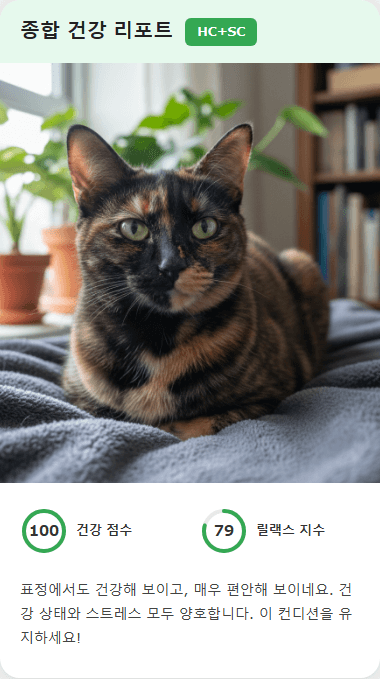

이런 증상, 혹시 걱정되시나요?
혼자 고민하지 마세요. CatsMe의 AI가 고양이 사진을 분석해 건강 이상 신호를 몇 초 만에 알려드립니다.
50개국 380,000명 이상의 보호자가 사용 중


Symptoms of HCM and Dangerous Warning Signs
Early stage (asymptomatic): The only hint may be a heart murmur detected during a routine exam — otherwise, no visible signs.
Mid stage: Rapid breathing at rest (over 40 breaths per minute), reluctance to exercise, and tiring quickly.
Emergency signs (seek immediate care):
- Open-mouth breathing
- Hind legs suddenly paralyzed or cold to the touch (arterial thromboembolism, or ATE)
- Sudden collapse or altered consciousness
- Blue or purple gums and tongue
ATE is a life-threatening emergency. If your cat's back legs feel cold and they are crying in pain, get to an emergency animal hospital without delay.
Diagnostic Tests and What They Cost
Echocardiogram (cardiac ultrasound): The gold standard for diagnosing HCM. It measures heart wall thickness, left atrial size, and blood flow in detail. Typical cost: $40–$120 (¥5,000–15,000).
NT-proBNP blood test: A biomarker that indicates cardiac stress. Useful as a screening tool, costing around $25–$40 (¥3,000–5,000).
Chest X-ray: Checks for an enlarged heart silhouette and signs of fluid in the lungs (pulmonary edema).
Electrocardiogram (ECG): Used to detect arrhythmias.
If your vet detects a heart murmur during a routine exam, strongly consider following up with an echocardiogram — it is the most reliable way to confirm or rule out HCM.
Treatment Options and Blood Clot Prevention
There is no cure for HCM, but treatment can slow progression and prevent life-threatening complications.
Medications:
- Beta-blockers (e.g., atenolol): Slow the heart rate and reduce the heart muscle's oxygen demand
- Clopidogrel (antiplatelet drug): First-line therapy for blood clot prevention
- Diuretics (furosemide): Used when pulmonary edema or congestion develops
Home monitoring:
- Count the resting respiratory rate daily — watch your cat while sleeping and count breaths over one minute. If it exceeds 40 breaths per minute, contact your vet immediately.
- Stay alert for sudden lethargy or appetite loss, as these can signal that the disease is progressing.
Early Detection of HCM: Catching It Before Symptoms Appear
The single greatest challenge with HCM is discovering it before clinical signs emerge. Here is how to maximize the odds of early detection.
Regular auscultation: During annual wellness exams, your vet listens for heart murmurs with a stethoscope. However, about 30% of cats with HCM have no detectable heart murmur, which means auscultation alone can miss a significant number of cases.
NT-proBNP blood screening: This biomarker indicates cardiac stress and can be added to routine annual bloodwork. An elevated result warrants follow-up with an echocardiogram for a definitive look at the heart's structure.
Breed-specific risk assessment:
- Maine Coons and Ragdolls: A genetic test for the MyBPC3 mutation is commercially available. A positive result does not guarantee the cat will develop HCM, but it does justify more frequent echocardiograms starting at a young age.
- British Shorthairs, Sphynx, and Persians: Annual echocardiograms from one year of age are recommended due to elevated breed risk.
The most effective owner-driven screening tool: Track your cat's resting respiratory rate every day. A normal rate while sleeping is 15 to 30 breaths per minute. The CatsMe app makes this simple to log and review — a creeping upward trend, even within the normal range, can prompt a conversation with your vet before an emergency occurs.
Arterial Thromboembolism (ATE): The Most Dangerous Complication of Heart Disease
The most feared complication of HCM is arterial thromboembolism (ATE) — a blood clot that forms inside the heart, enters the bloodstream, and lodges in a major artery. ATE strikes without warning and constitutes a true veterinary emergency.
Classic presentation:
- Sudden hind-leg paralysis — the most common scenario, often affecting both back legs simultaneously
- Hind legs feel cold to the touch due to blocked blood flow
- Intense vocalization and crying from severe pain
- Pale or bluish paw pads — a visible sign that blood is not reaching the extremities
Emergency response: Get to a veterinary hospital as fast as possible. Keep the cat warm during transport and do not attempt to move or massage the affected legs, as this can cause additional tissue damage.
Prognosis: Approximately 50% of cats survive their first ATE episode. Treatment involves thrombolytic therapy, aggressive pain management, and supportive care to restore blood flow. However, the recurrence rate is high, so lifelong antiplatelet medication (clopidogrel) is essential after recovery.
Prevention is paramount: For cats diagnosed with HCM — even those currently showing no symptoms — veterinary cardiologists are increasingly recommending prophylactic clopidogrel therapy to reduce clot formation risk before a catastrophic event occurs. Discuss this option with your veterinarian as part of your cat's cardiac management plan.
Living with a Cat with Heart Disease: Practical Long-Term Management
A heart disease diagnosis can feel overwhelming, but with consistent management many cats maintain an excellent quality of life for years. Here are the practical essentials of day-to-day care.
Resting respiratory rate tracking (the single most important thing you can do): Every day, count your cat's breaths per minute while they are sleeping. A rate exceeding 40 breaths per minute is an early warning sign of worsening heart failure and should prompt an immediate call to your vet. Logging this number in the CatsMe app creates a trend line that both you and your veterinarian can monitor.
Medication management tips:
- Give medications at the same time each day to maintain consistent blood levels
- Use pill pockets or mix crushed tablets into a small amount of wet food
- Keep a medication calendar or set phone reminders to avoid missed doses
Dietary considerations:
- Limit sodium intake: Avoid high-salt treats and table scraps (processed fish products and human snacks are common culprits)
- Maintaining an ideal body weight reduces the workload on the heart
Environmental adjustments:
- Avoid hot, humid conditions, which stress the cardiovascular system
- Prevent sudden bursts of intense exercise or excitement — gentle, self-paced play is perfectly fine
- Ensure your cat has access to a quiet resting spot away from household bustle
Regular veterinary checkups: An echocardiogram and blood work every 3 to 6 months allow your vet to assess how well medication is working and whether the disease is stable or progressing.
Managing feline heart disease is a team effort between you and your veterinarian. Carelogy's online consultation service makes it easy to discuss concerns and share health data between in-person visits.
수의사에게 '언제부터 그랬나요?'라고 물으면 답할 수 있으신가요?
수의사 앞에서 막막해하지 마세요. CatsMe가 매일 건강 점수를 자동으로 기록하고, 탭 한 번으로 공유할 수 있습니다.
心臓病HCM肥大型心筋症血栓猫の病気
FAQ
 CatsMe
이상을 느꼈을 때, 바로 행동할 준비를
사진 한 장이면 AI가 고양이의 표정에서 통증과 건강 상태를 읽어냅니다. 걱정되는 순간 바로 확인하고, 기록은 수의사와 공유하세요.