

Norwegian Forest Cat: Traits & Health Risks
The Norwegian Forest Cat is a large breed weighing 11 to 20 pounds (5–9 kg), recognized by its luxurious long coat and powerful build. Originally shaped by the harsh Scandinavian climate, these cats are generally robust — but they do carry certain health risks common to large breeds.
Their average lifespan is 12 to 16 years. Notably, Norwegian Forest Cats are slow to mature, sometimes taking four to five years to reach their full adult size and weight.
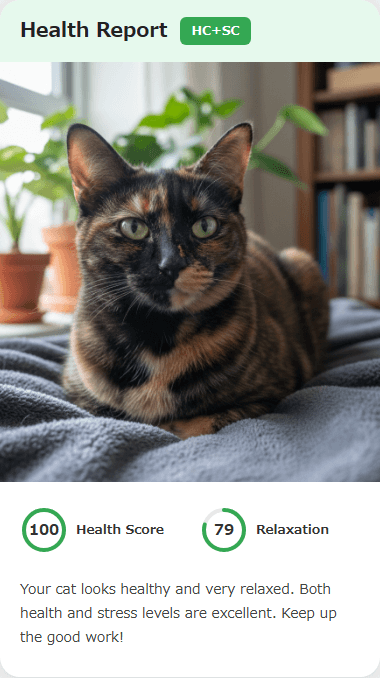

For senior cats, every day matters
Subtle changes can signal serious issues in older cats. CatsMe tracks behavior, appetite, and health scores so you can act fast.
Dipercayai oleh lebih 380,000 pemilik kucing di 50 negara


Common Diseases
Hypertrophic cardiomyopathy (HCM): The most common heart disease in large-breed cats. Annual cardiac ultrasound screening is recommended.
Chronic kidney disease: Risk increases in middle-aged and senior cats. From age 7 onward, schedule blood work once or twice a year.
GSD IV (Glycogen Storage Disease Type IV): A genetic disorder specific to Norwegian Forest Cats. It appears in kittenhood and carries a poor prognosis. Genetic testing by breeders is critical.
Hip dysplasia: A joint abnormality seen in large breeds, often linked to arthritis in senior cats.
Obesity: Their larger frame means higher caloric needs, making portion control essential. See our cat obesity guide for tips.
Coat Care & Daily Management
Brushing: Their double-layered coat requires brushing three to four times per week. During shedding season (spring and fall), daily brushing is a must. Pay extra attention to the armpits, hind legs, and belly, where mats form most easily.
Grooming tips: Start brushing training in kittenhood. Use a slicker brush first, then follow up with a comb.
Nail trimming: Given their large size and the toll it can take on furniture, trim their nails every two weeks.
Exercise: Norwegian Forest Cats are active and playful. Invest in a sturdy, large cat tree and provide regular indoor exercise to maintain healthy muscle mass.
Practical Tips & How-To: Living with a Large Breed
Here are practical tips for comfortable living with your Norwegian Forest Cat.
Feeding strategy: Large-breed-specific kibble with bigger pieces is ideal for their larger mouths. Adult Norwegian Forest Cats typically need 300 to 400 kcal per day, though this varies with activity level. Consult our cat food guide to select a high-protein diet with appropriate fat content. Divide meals into two to three servings to prevent gorging and reduce the risk of vomiting.
Hairball prevention: Long-haired breeds are significantly more prone to hairballs. Incorporate hairball control food or a petroleum-based hairball supplement into their routine. Combined with regular brushing, this two-pronged approach dramatically reduces hairball incidents and the intestinal blockages they can cause in severe cases.
Scratching solutions: Their powerful build means standard scratching posts won't survive long. Invest in heavy-duty, extra-tall scratching posts made from sisal rope. Place multiple posts in different locations — near sleeping areas, by windows, and next to furniture they might otherwise target. Cat trees with built-in scratching surfaces serve double duty.
Carrier selection: Standard carriers are too small for most Norwegian Forest Cats. Purchase a large, sturdy carrier well in advance and leave it out with the door open so your cat views it as a safe space rather than a threat. This preparation makes veterinary visits dramatically less stressful for both of you.
Common Misconceptions About Norwegian Forest Cats
Let's clear up some widespread misconceptions about Norwegian Forest Cats.
"They're cold-hardy, so they don't need heating": While their ancestors thrived in Scandinavian winters, indoor cats lose much of that cold adaptation over generations. Keep your home at 64 to 72°F (18–22°C) during winter. This becomes especially important as your cat ages, since cold temperatures aggravate arthritis and joint stiffness that many large breeds develop in their senior years.
"They should live outdoors because it's more natural": Their wild ancestry doesn't change the reality that modern outdoor environments are dangerous. Cars, infectious diseases, parasites, and predators all pose serious threats. Cats with enriched indoor exercise environments — vertical climbing spaces, window perches, and interactive toys — live significantly longer and healthier lives than outdoor cats, regardless of breed heritage.
"Large cats are tough and rarely get sick": This is dangerously wrong. Large breeds actually carry breed-specific health risks that smaller cats don't face, including HCM, hip dysplasia, and in the case of Norwegian Forest Cats, GSD IV. Regular health checkups with appropriate screening tests aren't just recommended — they're essential. Skipping annual exams because your cat "seems fine" is how treatable conditions become irreversible ones.
Expert Recommendations for Norwegian Forest Cat Health
Here is what breeders and veterinary specialists recommend specifically for Norwegian Forest Cat health.
Cardiac screening: An annual echocardiogram to screen for HCM is strongly advised. This is mandatory for breeding cats and highly recommended for all pets from age 3 onward. HCM can be asymptomatic for years before causing sudden, catastrophic heart failure, making proactive screening the only reliable safety net.
GSD IV genetic testing: If you acquired your cat from a breeder, confirm that GSD IV testing has been performed. For rescue cats, consider having the test done — the cost is modest and the peace of mind is invaluable. GSD IV is a fatal condition with no treatment, so knowing your cat's genetic status is critical information.
Joint support: Large breeds place significantly more stress on their joints than average-sized cats. Starting glucosamine and chondroitin supplements from age 5 can help preserve cartilage and delay the onset of arthritis. Omega-3 fatty acids (fish oil) provide additional anti-inflammatory benefits. Always discuss supplement choices and dosages with your veterinarian before starting.
Weight monitoring: Because Norwegian Forest Cats are naturally large, distinguishing healthy size from obesity can be tricky. Learn the Body Condition Score system and assess your cat monthly. You should be able to feel the ribs with gentle pressure without seeing them. Track weight trends in the CatsMe app to spot gradual gains before they become a health problem.
CatsMe Health Tracking for Norwegian Forest Cats
For large-breed cats, long-term weight and activity tracking is particularly valuable because changes happen gradually and are easy to miss without data.
Weight logging: Record monthly weight measurements in CatsMe. Since healthy weight varies enormously among Norwegian Forest Cats — a lean male might weigh 14 pounds while a large-framed male could be perfectly healthy at 22 pounds — establishing your individual cat's baseline is essential. The app's trend charts make it easy to spot a two-pound gain over six months that you might never notice just by looking at your cat.
Coat condition notes: Track hairball frequency, shedding volume, and any skin changes on a seasonal basis. This data helps you optimize your grooming schedule and catch dermatological issues before they escalate. During peak shedding season, you can set CatsMe reminders for daily brushing sessions.
Activity changes: Log observations about jumping height, stair usage, and willingness to climb the cat tree. A Norwegian Forest Cat that stops jumping to its favorite high shelf isn't being lazy — it may be the first sign of joint pain or hip dysplasia. These behavioral shifts are the earliest detectable indicators of joint problems, often appearing months before obvious limping.
Veterinary records: Store echocardiogram results, blood panels, and other diagnostic reports in CatsMe. Having multiple years of data in one place allows your veterinarian to track progression of conditions like early-stage kidney changes or subtle cardiac remodeling that would be invisible from a single exam.
Bolehkah anda menjawab "bila ini bermula?"
Jangan tergagap bila doktor haiwan bertanya. CatsMe merekod skor kesihatan harian secara automatik yang boleh dikongsi dengan satu sentuhan.
ノルウェージャン猫種心臓病大型猫長毛種
FAQ
 CatsMe
Bersedia bertindak saat anda rasa ada yang tidak kena
Cukup satu foto: AI membaca kesakitan dan keadaan kesihatan daripada riak wajah kucing anda. Semak pada saat anda risau, dan kongsi rekod dengan doktor haiwan.