

The Bottom Line: Remove Lilies and Secure String-Like Objects First
The two most dangerous indoor hazards for cats are lily plants (even tiny amounts cause fatal kidney failure) and linear foreign bodies — strings, ribbons, and hair ties that cause life-threatening intestinal obstruction when swallowed. Eliminating these two threats should be every cat owner's top priority.
Cats are extraordinarily curious and agile creatures. They investigate small objects with their mouths, leap onto high surfaces, and squeeze into spaces that seem impossibly tight. This natural curiosity is part of what makes them wonderful companions, but it also puts them at constant risk in an unsecured home. A single hair tie swallowed during play can wrap around the base of the tongue or bunch up in the intestines, requiring emergency surgery that can cost thousands of dollars and still carry a guarded prognosis.
The good news is that most indoor accidents are entirely preventable. A systematic approach to cat-proofing — room by room, hazard by hazard — dramatically reduces the chance of an emergency vet visit. This guide walks you through the most common dangers and provides a practical checklist you can follow today. Even if your cat has lived safely indoors for years, a fresh audit of your home is worthwhile, because habits change and new risks emerge with seasonal decorations, home renovations, or new household products.
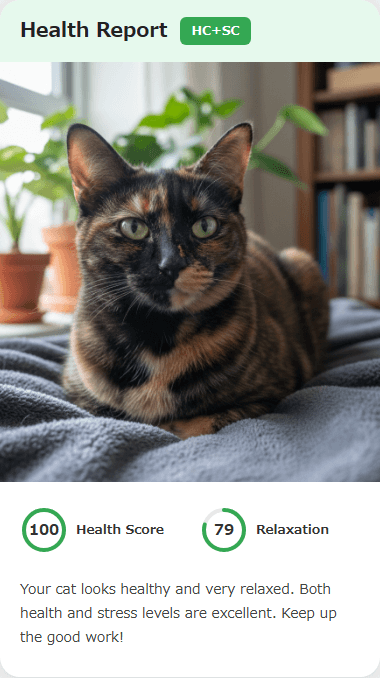

Catch problems before they start
Daily health tracking makes early detection possible. CatsMe logs changes automatically so small shifts don't slip past you.
Meer dan 380.000 katteneigenaren in 50 landen vertrouwen op CatsMe


Ingestion & Poisoning Hazards: What Cats Swallow and What Poisons Them
Objects Cats Commonly Swallow
Cats are attracted to anything that dangles, bounces, or crinkles. The most frequently ingested items include hair ties, ribbons, sewing thread with needles still attached, rubber bands, plastic bag handles, and small toy parts. Linear foreign bodies are especially dangerous because they can anchor at one point in the digestive tract while peristalsis bunches the intestine around the string, causing a "sawing" effect that perforates the bowel wall. Surgery is almost always required, and delays can be fatal.
Toxic Plants
Lilies (Lilium and Hemerocallis species) top the danger list. Ingestion of even a few petals, a leaf, or the pollen can trigger acute kidney failure within 24–72 hours. Other toxic plants include poinsettia, aloe, tulips, and lily of the valley. When you receive a floral arrangement, check every stem before bringing it indoors.
Toxic Foods
Chocolate (theobromine), allium vegetables (onions, garlic, leeks, chives), grapes and raisins, caffeine, alcohol, and xylitol (a sugar substitute) are all poisonous to cats. Even small amounts of onion powder in prepared food can damage red blood cells.
Dangerous Household Products
Essential oils and diffusers pose a serious risk because cats lack the liver enzymes (glucuronyl transferase) needed to metabolize many aromatic compounds. Tea tree oil and eucalyptus oil are particularly hazardous. Cleaning products, insecticides, rodent bait, and human medications (especially acetaminophen/paracetamol, which is rapidly fatal to cats) must be stored in locked or latched cabinets.
Fall Prevention & Escape-Proofing Your Home
Windows & Balconies
Install cat-specific window guards or safety nets on all windows and balcony openings. Standard screens are often too flimsy to withstand a cat's weight — a determined cat can pop a screen out of its track in seconds. "High-rise syndrome" is a well-documented veterinary phenomenon: cats that fall from heights above two stories frequently sustain jaw fractures, lung contusions, and broken limbs. Contrary to popular belief, cats do not always land on their feet, and falls from moderate heights (2–6 stories) are often more dangerous than falls from higher up because there is less time for the cat to orient itself.
Bathrooms
Never leave a bathtub filled with water unattended. Kittens and elderly cats are at particular risk of drowning if they fall in and cannot climb out. Keep toilet lids closed as well, especially if you use chemical toilet bowl cleaners.
Kitchens
Hot stovetops, boiling pots, and open ovens present burn risks. Use stove-top knob covers to prevent curious paws from accidentally turning on burners. Never leave sharp knives or hot pans unattended near counter edges.
Doors & Appliances
Door-related injuries are surprisingly common. Use door stoppers or slow-close hinges to prevent crushed tails and paws. Before starting the washing machine, dryer, or dishwasher, always check inside first — cats are drawn to warm, enclosed spaces and have been known to climb into these appliances unnoticed. Reclining chairs and sofa beds can also trap and injure cats when opened or closed.
Room-by-Room Safety Checklist
Print this checklist and walk through every room in your home at least once a season. Hazards change with holidays, renovations, and new purchases.
- [ ] Electrical cords are covered with protective tubing or hidden behind furniture
- [ ] Small objects (hair ties, rubber bands, string, buttons, coins) are stored in closed containers
- [ ] No toxic plants are accessible anywhere in the home — check received bouquets carefully
- [ ] Windows and balconies have cat-proof screens or safety nets installed
- [ ] Medications, supplements, and cleaning products are locked away in cabinets cats cannot open
- [ ] Bathtub is drained and toilet lids are closed
- [ ] Trash cans have secure lids (chicken bones, food wrappers, and dental floss are common ingestion hazards)
- [ ] Craft supplies (sewing needles, yarn, glue) are put away after use
- [ ] Holiday decorations (tinsel, ornament hooks, candles) are out of reach
- [ ] Washer, dryer, and dishwasher doors are kept closed when not in use, and you check inside before starting a cycle
If an accident or suspected ingestion does occur, perform first aid and contact a veterinarian immediately through an online consultation to determine the urgency.
What to Do in an Emergency: First Response Steps
When you suspect your cat has swallowed something dangerous or been exposed to a toxin, staying calm and acting quickly can save their life. Here is a step-by-step guide for the critical first minutes.
If Your Cat Swallowed a Foreign Object
1. Never pull on a string or thread hanging from the mouth or rectum — pulling can saw through intestinal walls and cause fatal peritonitis.
2. Document what was swallowed, when, and approximately how much.
3. Preserve any remaining material or packaging to show the veterinarian.
4. Contact your vet or emergency clinic immediately.
If You Suspect Poisoning
1. Do not induce vomiting unless specifically instructed by a veterinarian. Unlike dogs, cats face higher risks from emetic agents, and caustic substances can cause further damage on the way back up.
2. Record the substance name, estimated amount ingested, and the time of exposure.
3. If a product was involved, bring the label or packaging to the vet.
4. If the toxin is on the skin or fur, gently rinse with lukewarm water — do not use soap unless directed.
Signs That Require Immediate Veterinary Attention
- Repeated vomiting or retching
- Extreme lethargy or collapse
- Tremors or seizures
- Labored or rapid breathing
- Excessive drooling that won't stop
- Pale or blue-tinged gums
An online veterinary consultation allows you to share photos and videos in real time so the vet can assess urgency and advise whether immediate hospital transport is needed.
Age-Specific Safety Considerations: Kittens, Adults & Seniors
Safety needs evolve as your cat ages. A kitten-proofing strategy will not cover the challenges of living with a senior cat, and vice versa. Here is how to adapt your approach across each life stage.
Kittens (Under 1 Year)
Kittens face the highest accident risk of any age group. Their insatiable curiosity drives them to taste, chew, and explore every object within reach. Block access to gaps behind furniture and appliances — kittens can squeeze into astonishingly small spaces and become trapped. Their landing skills are not yet fully developed, so falls from moderate heights are more dangerous than for adult cats. Combine safety management with positive socialization experiences so your kitten learns confidence without unnecessary risk.
Adult Cats (1–10 Years)
Adult cats are less reckless than kittens, but stress-driven escape attempts are a real concern. Events like moving to a new home, fireworks, thunderstorms, or construction noise can send even a calm cat bolting through an open door or window. Re-audit your home whenever you add new furniture, houseplants, or cleaning products. Multi-cat households should also guard against inter-cat injuries during territorial disputes.
Senior Cats (10+ Years)
Aging cats may develop declining vision, hearing loss, or cognitive dysfunction, all of which increase the risk of bumping into obstacles or falling from surfaces they once navigated effortlessly. Place non-slip mats on hardwood and tile floors, switch to low-entry litter boxes, and add nightlights to hallways. Keep heating devices at a safe distance — senior cats can lose sensation in their extremities and sustain contact burns without reacting. Regular home safety audits become especially important as your cat's abilities change.
Seasonal Hazards: Holiday Decorations, Summer Heat & Winter Risks
Indoor hazards shift with the seasons. A proactive seasonal review keeps your cat safe year-round.
Spring
- Windows open more frequently for fresh air, increasing escape risk. Double-check screens and guards.
- Spring bouquets often contain lilies — inspect every arrangement before bringing it inside.
- Flea and tick activity ramps up. Start or continue monthly preventatives.
Summer
- Air conditioning units and fans introduce additional electrical cords. Route them through cable covers.
- Insecticides and mosquito coils can be toxic to cats. Pyrethroid-based products are especially dangerous for felines — always use cat-safe pest control.
- Increase hydration stations: place multiple water bowls around the home and consider a pet water fountain.
Autumn
- Halloween decorations — small ornaments, flickering candles, fake spider webs — are ingestion and burn hazards.
- Shedding season calls for regular grooming to prevent hairball-related digestive blockages.
Winter
- Christmas tinsel is one of the most commonly ingested linear foreign bodies seen in veterinary ERs during the holiday season. Opt for cat-safe decorations and skip tinsel entirely.
- Space heaters and radiators can cause contact burns. Use protective barriers.
- Antifreeze (ethylene glycol) has a sweet taste that attracts cats and is lethal in tiny quantities. Keep garage doors closed and wipe up any spills immediately.
Use the change of season as a natural reminder to re-run your indoor safety checklist.
Kun je antwoorden op "sinds wanneer is dit aan de gang?"
Als de dierenarts het vraagt, wil je niet met lege handen staan. CatsMe registreert automatisch dagelijkse gezondheidsscores die je met één tik kunt delen.
室内飼い安全対策誤飲猫の事故
FAQ
 CatsMe
Wees voorbereid op het moment dat je voelt dat er iets niet klopt
Eén foto is genoeg: de AI leest pijn en gezondheid af aan de uitdrukking van je kat. Controleer op het moment dat je twijfelt en deel het logboek met je dierenarts.