

The Bottom Line: Feline Diabetes Can Go Into Remission With Proper Care
The classic early warning signs of feline diabetes are excessive thirst, frequent urination, and unexplained weight loss. The good news is that when insulin therapy is paired with a low-carbohydrate diet, roughly 25–30% of diabetic cats achieve remission — meaning they no longer need insulin injections. The key is catching it early: the sooner your vet diagnoses the condition and blood glucose management begins, the better the long-term outlook for your cat's quality of life. If your cat is drinking or urinating more than usual, do not chalk it up to aging — schedule bloodwork right away.
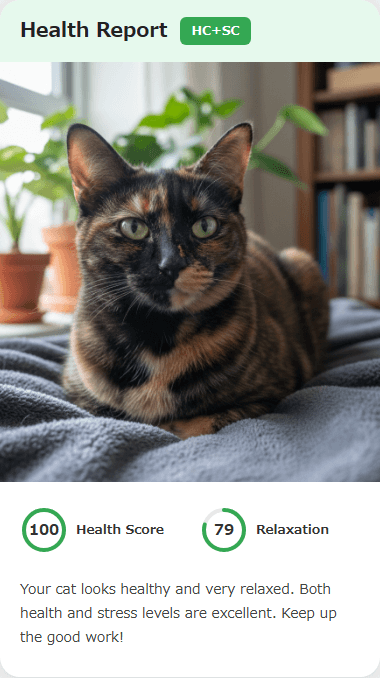

For senior cats, every day matters
Subtle changes can signal serious issues in older cats. CatsMe tracks behavior, appetite, and health scores so you can act fast.
Ponad 380 000 właścicieli kotów w 50 krajach ufa CatsMe


Symptoms and Diagnostic Criteria
The hallmark triad is increased thirst (drinking more water than usual), frequent urination, and weight loss despite a ravenous appetite. As the disease progresses, some cats develop diabetic neuropathy — a wobbly, flat-footed stance in the hind legs that is sometimes mistaken for arthritis.
Diagnosis requires a persistent fasting blood glucose above 270 mg/dL along with glucose in the urine. Because stress alone can spike blood sugar in cats (stress hyperglycemia), your vet will typically run a fructosamine test, which reflects average blood glucose over the previous two to three weeks. This helps distinguish true diabetes from a one-time stress response at the clinic.
Insulin Therapy and Giving Injections at Home
The cornerstone of feline diabetes treatment is twice-daily insulin injections. Glargine (Lantus) and PZI insulin are considered the best options for cats due to their smooth, long-acting profiles.
Home injections are simpler than most owners expect: gently tent the skin at the scruff of the neck and slide the tiny needle under the skin. The most important safety rule is to confirm your cat has eaten before giving the shot — if your cat skips a meal, skip the dose to avoid dangerous hypoglycemia. Rotate injection sites each time to prevent skin thickening (lipodystrophy). Most cats tolerate injections surprisingly well once a routine is established.
Diet Management and Weight Control
Diabetic cats do best on a low-carbohydrate, high-protein wet food diet. Dry kibble tends to be carb-heavy and can cause blood sugar spikes, so wet food is strongly preferred. Veterinary-formulated options like Hill's m/d and Royal Canin Diabetic are excellent choices.
Obesity is one of the biggest risk factors for diabetes, and reaching a healthy weight significantly improves the odds of remission. However, crash diets are dangerous for cats — rapid weight loss can trigger hepatic lipidosis (fatty liver disease), a potentially fatal condition. Aim for a gradual loss of no more than 1–2% of body weight per month, guided by your veterinarian.
Age-Related Changes to Watch in Diabetic Cats
Diabetes is already common in senior cats, but as your cat ages, the risk of concurrent diseases climbs even higher. In diabetic cats over 10, it is not unusual to see chronic kidney disease (CKD), hyperthyroidism, and pancreatitis developing alongside the diabetes, each one complicating the management of the others.
Aging also shifts insulin sensitivity, which means a blood glucose level that was perfectly stable for months can suddenly become erratic without any obvious change in routine. That is why daily tracking of appetite, water intake, urination volume, and body weight is so important — weekly trend analysis lets you and your vet spot the need for dose adjustments before a crisis occurs. Winter months deserve extra vigilance because reduced activity and metabolic shifts often destabilize glucose levels. Additionally, periodontal disease creates chronic oral inflammation that has been shown to worsen glycemic control. Comprehensive senior wellness — not just insulin management — is the key to keeping a diabetic cat stable and comfortable as the years pass. Ask your vet about a semi-annual senior blood panel that includes kidney values, thyroid hormone, and fructosamine all in one draw.
Quality of Life Assessment for Diabetic Cats
When your daily routine revolves around insulin injections, blood glucose curves, and dietary restrictions, it is natural to ask: "Is my cat actually happy?" A structured quality-of-life (QoL) assessment removes guesswork by evaluating five objective dimensions.
(1) Pain: Is the cat showing signs of diabetic neuropathy — wobbly hind legs, reluctance to walk, or sensitivity in the paws? (2) Appetite: Is the cat eating voluntarily, or has syringe-feeding become necessary? (3) Hydration: Is extreme polydipsia (excessive drinking) persisting despite treatment? (4) Mobility: Can the cat reach the litter box on its own and spend time in its favorite resting spots? (5) Moments of joy: Does the cat still purr, play, groom, or seek sunny windowsills?
Score each dimension weekly on a simple 1-to-5 scale and track the trend over time. A consistent downward trajectory — even a slow one — is a signal to have a candid conversation with your veterinarian about next steps, which may include transitioning to palliative care. Quality of life should always guide treatment decisions, and there is no shame in prioritizing comfort over numbers on a glucose meter. Many owners find that keeping a written QoL journal also helps them process their own emotions during a difficult period.
Nutrition Strategies Specifically for Diabetic Senior Cats
Managing a diabetic cat's diet goes well beyond "low carbohydrate." Once your cat reaches the senior years, you also need to think about preserving lean muscle mass and protecting the kidneys — two goals that can sometimes conflict.
Protein: High protein is the default for blood sugar control and muscle maintenance, but if concurrent CKD is present, moderate protein restriction may be necessary. Work with your vet to find the right balance. Fat: Moderate dietary fat acts as a buffer against blood sugar spikes, though it must be limited in overweight cats to avoid excess calorie intake. Fiber: A modest amount of soluble fiber slows glucose absorption from the gut. A small spoonful of psyllium husk or plain canned pumpkin mixed into wet food can help smooth out post-meal glucose curves. Meal frequency: Two measured meals per day, timed to coincide with each insulin injection, is the standard protocol. Treats between meals destabilize blood sugar, so keep snacking to a minimum — if you need a reward, opt for a tiny piece of freeze-dried chicken or another low-carb, high-protein option.
Transitioning to a new diet should always be done gradually over seven to ten days to avoid gastrointestinal upset. Monitor blood glucose closely during any dietary change, as insulin requirements may shift. Your vet can help you design a feeding plan that addresses diabetes, kidney health, and weight management all at once — a nutritional balancing act that becomes increasingly important with every birthday your cat celebrates.
When to Increase Vet Visits for a Diabetic Cat
Even a well-controlled diabetic cat should see the vet for a checkup every three to six months at minimum. Between scheduled visits, certain warning signs call for an earlier appointment — or an emergency trip.
Same-day emergency: Seizures or disorientation (suspected hypoglycemia), complete refusal to eat for over 24 hours, or extreme lethargy and inability to stand. Within one to two days: A sudden spike in thirst and urination, vomiting or diarrhea lasting more than 48 hours, or rapid weight change (more than 5% in a single week). Move the next checkup forward: Two to four weeks after any insulin dose change, after switching to a new food, or when seasonal transitions seem to be destabilizing blood sugar.
For diabetic cats aged 12 and older, a comprehensive blood panel every six months — covering glucose, fructosamine, kidney values (BUN/creatinine), thyroid hormone (T4), and liver enzymes — is the gold standard. This catches emerging complications early, when they are easiest to manage. If frequent clinic visits are difficult for your cat, Carelogy's online vet consultations can handle blood test reviews and medication adjustments remotely, reducing the number of stressful car rides while keeping care on track. The goal is not simply more visits but smarter, better-timed monitoring that matches your cat's individual risk profile.
Manage Blood Sugar With Carelogy's Online Vet Consultations
Feeling uncertain about adjusting insulin doses or interpreting glucose readings at home? Carelogy's online vet consultations are here to help. Simply share your cat's blood glucose numbers and a quick update on appetite and behavior, and a licensed veterinarian will advise on insulin dose adjustments and diet optimization — all without leaving home.
Online consultations are especially well-suited for diabetes management because they eliminate the stress of a car ride and a waiting room, which can spike blood sugar and skew readings. Regular virtual check-ins keep your cat's treatment plan on track.
Czy potrafisz odpowiedzieć na pytanie: od kiedy to trwa?
Gdy weterynarz zapyta, nie zostawaj bez odpowiedzi. CatsMe automatycznie rejestruje codzienne wyniki zdrowotne, które możesz udostępnić jednym dotknięciem.
糖尿病シニア猫インスリン血糖管理多飲多尿
FAQ
 CatsMe
Bądź gotowy do działania, gdy poczujesz, że coś jest nie tak
Wystarczy jedno zdjęcie — SI odczytuje ból i stan zdrowia z wyrazu pyszczka kota. Sprawdź w chwili niepokoju i udostępnij zapis weterynarzowi.