Hypertrophic Cardiomyopathy (HCM)
A genetic heart condition where the heart muscle becomes abnormally thick. Ragdolls have a notably higher incidence, and regular echocardiograms are recommended.
Detailed guide to 4 health conditions common in Ragdoll, including symptoms, risk levels, and prevention tips.
A genetic heart condition where the heart muscle becomes abnormally thick. Ragdolls have a notably higher incidence, and regular echocardiograms are recommended.
A group of conditions affecting the bladder and urethra, often triggered by stress or diet. Symptoms include blood in urine, frequent urination, and difficulty urinating.
Due to their semi-long coat, ingested fur can accumulate in the stomach during grooming. Regular brushing helps prevent this condition.
An inherited condition where cysts form in the kidneys, potentially leading to kidney failure. Early detection through ultrasound is important.
 CatsMe
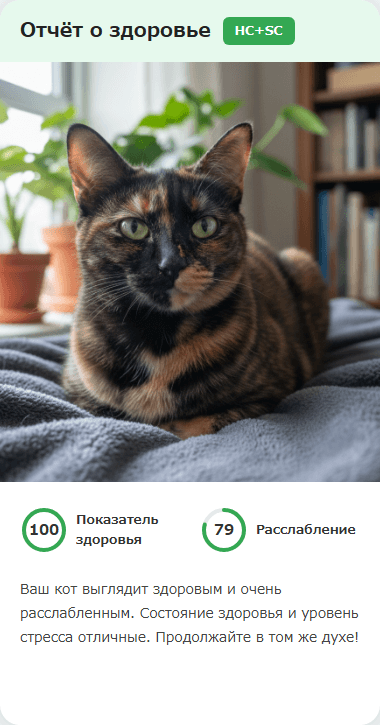
Достаточно одного снимка: ИИ считывает боль и состояние здоровья по выражению морды кошки. Проверьте в момент тревоги и поделитесь записями с ветеринаром.