

Key Takeaway: Scooting Is a Sign of Anal Gland Issues — Left Untreated, They Can Rupture
If your cat is scooting (dragging their bottom across the floor), suspect anal gland (anal sac) problems. While less common in cats than dogs, impacted anal glands can lead to infection, abscess formation, and rupture, causing severe pain.
Essential points:
- Anal glands are small sacs located at the 4 o'clock and 8 o'clock positions around the anus
- Normally, secretions are expressed naturally during bowel movements
- Overweight cats, senior cats, and cats with chronic soft stool are at higher risk
- A ruptured anal gland abscess requires emergency treatment
If there's blood in the stool, the issue may be a digestive condition rather than anal glands, so proper differentiation is important.
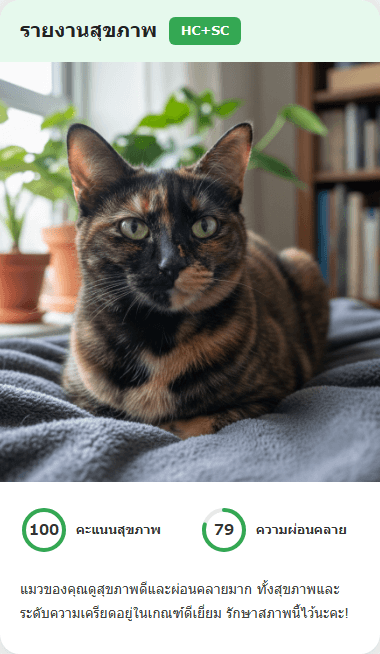

Worried about these symptoms?
Don't wait and wonder. CatsMe's AI analyzes your cat's photo to flag health concerns in seconds.
ทาสแมวกว่า 380,000 คนใน 50 ประเทศไว้วางใจ CatsMe


Symptoms & Stages of Anal Gland Problems in Cats
Stage 1: Impaction (blocked anal glands)
- Scooting (dragging bottom across the floor)
- Frequent licking around the anal area
- Straining or vocalizing during bowel movements
- Distinctive fishy or musty odor around the rear end
Stage 2: Infection (anal sacculitis)
- Swelling on one or both sides of the anus
- Pain when touched, resistance to having the rear area handled
- Fever (one of the causes of cat fever)
- Loss of appetite
- Reluctance to sit down
Stage 3: Abscess and rupture
- A red, swollen abscess visible beside the anus
- If ruptured, pus and blood discharge from the wound
- Severe pain → lethargy, hiding behavior
- Requires immediate veterinary attention
Important: When addressed at Stage 1, anal gland issues rarely become serious. Don't dismiss scooting behavior — early intervention prevents painful complications.
How to Express Anal Glands & Home Care Tips
Important: Have your vet demonstrate the technique before attempting at home for the first time.
External expression method (beginner-friendly):
1. Place the cat on a stable surface and have a helper gently restrain the front half
2. Gently lift the tail upward
3. Place your thumb and index finger (covered with tissue) at the 4 o'clock and 8 o'clock positions beside the anus
4. Apply gentle inward and upward pressure toward the anus
5. Success when brown-to-gray secretion is expressed
6. Repeat on the other side
7. Clean the anal area with a warm, damp cloth
Important precautions:
- Don't apply excessive pressure (risk of rupturing the gland)
- If the secretion is pus-like (yellow-green, foul-smelling), infection is present — see your vet
- If the cat resists strongly, don't force it — have your vet handle it
- Routine anal gland expression is unnecessary for healthy cats (only for cats with documented issues)
Prevention strategies:
- Weight management — Obesity is the single biggest risk factor for anal gland problems
- High-fiber diet — Adequately firm stool naturally expresses the glands during defecation
- Adequate hydration — Overly hard stool is also problematic
Veterinary Treatment & Costs
Anal gland expression (by veterinarian):
- Cost: ¥1,000-3,000
- Duration: 5-10 minutes
- Internal expression technique is more thorough than external home methods
Anal sacculitis (infection) treatment:
- Antibiotics (oral, 7-14 days): ¥3,000-5,000
- Anal sac flushing: ¥3,000-5,000
- Pain medication: ¥2,000-3,000
- Total: ~¥10,000-15,000
Abscess/rupture treatment:
- Incision, drainage, and flushing: ¥10,000-20,000
- Extended antibiotics (2-3 weeks): ¥5,000-10,000
- Elizabethan collar (post-surgery care reference)
- Total: ~¥20,000-35,000
Anal sacculectomy (for chronic recurrence):
- Curative surgery to permanently remove the anal glands
- Cost: ¥50,000-100,000 (including general anesthesia)
- Complication risk: Fecal incontinence (rare)
- Major benefit: Eliminates recurrence permanently
For mild impaction, you can consult about management options via online consultation.
Home Care & When to Wait: Signs to Watch For at Home
Not every anal gland issue is an emergency, but because these problems can escalate quickly from mild impaction to painful abscess and rupture, knowing when to act is essential.
Safe to monitor at home when:
- The cat scooted once or twice but shows no other behavioral changes. A single scooting episode may simply mean the glands discharged partially during a bowel movement.
- No visible swelling, redness, or discharge around the anus on visual inspection.
- Appetite and bowel movements remain completely normal.
- It has been four or more weeks since the last professional gland expression — the scooting may simply signal that it is time for a routine appointment.
See a vet within 48 hours if you notice:
- Daily or multiple-times-daily scooting that does not resolve after one or two days.
- Persistent licking of the anal area intense enough to cause hair thinning or skin irritation around the base of the tail.
- A constant fishy or musty odor emanating from the rear end, which indicates the glands are overfull or beginning to become infected.
- Straining during defecation or producing unusually hard stool, which may mean the impacted glands are creating physical obstruction.
Seek immediate veterinary care if:
- A red, swollen lump is visible beside the anus — this indicates abscess formation and the gland may rupture at any time.
- Pus or blood is draining from a wound near the anus, meaning rupture has already occurred.
- The cat shows fever, appetite loss, or lethargy alongside anal symptoms, suggesting systemic infection.
- The cat completely refuses to sit down, indicating severe pain.
Emergency home care measures while arranging a vet visit:
- Gently clean the anal area with a warm, damp cloth to provide mild comfort and remove surface contamination.
- Apply an Elizabethan collar if the cat is licking the area obsessively, as excessive licking introduces bacteria and worsens infection.
- If a rupture has occurred, hold a clean gauze pad lightly against the wound without pressing hard, and proceed to the clinic immediately.
Vet Diagnostic Process & Costs for Anal Gland Problems
At the veterinary clinic, the goal is to accurately stage the anal gland problem and select the optimal treatment approach based on the findings.
Diagnostic workflow:
1. Digital rectal examination — The veterinarian uses a gloved finger to palpate the anal glands from inside the rectum, assessing their size, firmness, and the consistency of their contents (normal fluid versus thick paste versus purulent material). This is performed during the initial consultation, costing ¥3,000 to ¥5,000 including the exam fee.
2. Secretion analysis — The color, odor, and viscosity of the expressed material are evaluated. Normal secretions are brownish and slightly oily. Thick, yellow-green, or blood-tinged material indicates infection. This assessment is typically included in the expression fee.
3. Bacterial culture (for infections) — When infection is confirmed, a culture and sensitivity test identifies the specific bacteria involved and determines which antibiotics will be most effective. Cost: ¥5,000 to ¥8,000.
4. Blood work (for severe cases) — If the cat shows signs of systemic illness such as fever or lethargy, a complete blood count and biochemistry panel check for evidence of spreading infection. Cost: ¥5,000 to ¥10,000.
5. Imaging (for chronic or recurrent cases) — Ultrasound or CT scanning can reveal structural abnormalities of the anal sacs, fistula formation, or, importantly, the presence of tumors. Cost: ¥10,000 to ¥30,000.
Critical differential diagnoses the vet will consider:
- Anal sac adenocarcinoma — A rare but serious tumor in senior cats. Unilateral swelling that does not resolve with expression warrants biopsy.
- Perineal hernia — Can cause perianal swelling in unneutered male cats.
- Rectal polyps — May cause scooting and straining that mimics anal gland impaction.
- Intestinal parasites — Tapeworms and other parasites cause perianal itching and must be ruled out.
Accurate diagnosis is the fastest path to appropriate treatment and prevents unnecessary procedures.
Age-Specific Risks & Prevention Strategies for Anal Gland Problems
The risk factors for anal gland problems and the most effective prevention approaches vary significantly across a cat's lifespan.
Kittens to 2 years:
Anal gland problems are extremely rare in young cats. If a kitten or young cat displays scooting behavior, the first suspicion should be intestinal parasites, particularly tapeworms, which cause perianal itching as segments pass through the anus. Persistent diarrhea in young cats may also mimic anal gland issues — soft stool does not provide enough pressure to naturally express the glands during defecation, which can lead to impaction over time if the underlying digestive issue is not resolved.
Ages 3 to 7 (adult cats):
Obesity is the dominant risk factor in this age group. Excess body fat around the perianal area physically impedes natural gland expression during bowel movements. Weight management through portion control and daily activity is the single most impactful preventive measure. Indoor cats are particularly susceptible to weight gain, so encouraging indoor exercise through interactive play and climbing structures is essential. Cats with chronic soft stool from conditions like inflammatory bowel disease often experience recurring anal gland impaction because the stool lacks the firmness needed to compress the glands. Request an anal gland check during annual wellness exams.
Ages 8 and older (senior cats):
Muscle loss associated with aging reduces the abdominal pressure generated during defecation, resulting in less effective natural gland expression. Arthritis further complicates matters by making it difficult for the cat to assume and maintain proper posture during bowel movements, leading to incomplete gland emptying. The risk of anal sac adenocarcinoma — a malignant tumor of the anal gland — increases with age. Unilateral swelling that does not resolve after expression should always be investigated with imaging and biopsy. Weakened immune defenses in older cats mean that infections progress faster, so shortening the interval between professional gland expressions from every six to eight weeks to every four to six weeks may be advisable.
At every age, maintaining a healthy body weight and ensuring adequately firm stool through proper diet and hydration remain the most effective prevention strategies.
Prevention & Long-Term Management Plan for Recurring Anal Gland Issues
Cats that have experienced anal gland problems once are at significantly elevated risk for recurrence, making a structured long-term prevention plan essential.
Dietary prevention:
- Select food with adequate fiber content to produce well-formed stools that naturally compress the glands during defecation. Adding a small amount of pumpkin powder (pure pumpkin, not pie filling) to meals is a simple and effective fiber supplement.
- Encourage adequate water intake to maintain appropriate stool consistency — stool that is too hard can also prevent proper gland expression.
- Start a weight reduction program for overweight cats, as every kilogram lost reduces perianal fat accumulation and improves natural gland function.
- Feed easily digestible food that promotes optimal stool quality.
Regular anal gland care schedule:
- Cats with a documented history of problems should visit the veterinarian for professional gland expression every four to eight weeks. The optimal interval varies between individuals.
- Even if you have learned to express the glands at home, a professional veterinary assessment every three months is recommended to catch early signs of infection or structural changes.
- Keep a log of expression dates and the amount and quality of secretions to fine-tune the schedule over time.
Exercise and environment:
- Daily interactive play maintains core muscle strength, which supports the abdominal contractions needed for effective defecation and natural gland expression.
- Climbing activities on cat trees and shelving also engage the muscles involved in proper elimination posture.
- Create a low-stress environment to prevent stress-related constipation, which can cascade into anal gland impaction.
When to consider sacculectomy (surgical removal):
- Impaction recurs more frequently than once every three months despite preventive measures.
- The cat has experienced abscess formation or rupture on two or more occasions.
- Symptoms persist despite regular professional expression.
- The cat's quality of life is clearly diminished by ongoing anal discomfort.
Anal sacculectomy is curative, but it carries a small risk of fecal incontinence (less than 1%), so the decision should be made in thorough consultation with your veterinarian and ideally performed by a surgeon experienced in the procedure.
Monitor Your Cat's Elimination & Behavior Changes Daily with CatsMe
Anal gland problems can be resolved with a simple, painless procedure when caught early. Use the CatsMe app to track daily behavior patterns and never miss warning signs.
What CatsMe can do for you:
- AI facial expression analysis detects anal discomfort and pain early — rear-end discomfort affects a cat's facial expression and posture
- Behavior change logging — Record scooting, excessive anal licking, reluctance to sit, and other abnormal behaviors
- Elimination pattern tracking — Monitor stool consistency and frequency changes that may predict anal gland issues
- Vet-ready health reports — Accurately communicate 'when scooting behavior started' to your veterinarian
Anal gland problems tend to recur, so having historical records helps identify recurrence patterns and optimal treatment timing.
Try CatsMe now →
ถ้าสัตวแพทย์ถามว่า "เริ่มเป็นตั้งแต่เมื่อไหร่" คุณตอบได้ไหม?
อย่าปล่อยให้ตัวเองตอบไม่ได้ตอนพบหมอ CatsMe บันทึกคะแนนสุขภาพรายวันอัตโนมัติ แชร์ให้สัตวแพทย์ได้แค่แตะเดียว
肛門腺お尻スクーティング肛門嚢破裂感染絞り方
FAQ
 CatsMe
เตรียมพร้อมตั้งแต่วินาทีที่รู้สึกว่ามีอะไรผิดปกติ
ถ่ายรูปเพียงใบเดียว AI จะอ่านความเจ็บปวดและสภาพสุขภาพจากสีหน้าของแมว ตรวจได้ทันทีที่กังวล และแชร์บันทึกให้สัตวแพทย์ได้