

Normal Body Temperature & Fever Thresholds in Cats
A healthy cat's normal body temperature ranges from 38.0 to 39.2°C (100.4–102.5°F), slightly higher than humans. A reading of 39.5°C (103.1°F) or above indicates a mild fever, while 40.0°C (104°F) or higher is a definite fever requiring attention. Kittens tend to run slightly warmer, with a normal range of about 38.5–39.5°C.
Body temperature naturally fluctuates throughout the day — it is typically higher in the late afternoon and evening and lower in the early morning. Temporary increases after exercise, excitement, or eating are normal physiological responses and not cause for concern.
Common causes of fever in cats include infections (such as upper respiratory infections and urinary tract disease), inflammatory conditions, immune-mediated diseases, and tumors. A fever lasting more than three days without an identifiable cause is termed a "fever of unknown origin" and warrants thorough diagnostic workup.
Knowing your cat's baseline temperature is the first step in detecting health problems early. Measure it several times when your cat is healthy to establish their individual normal pattern.
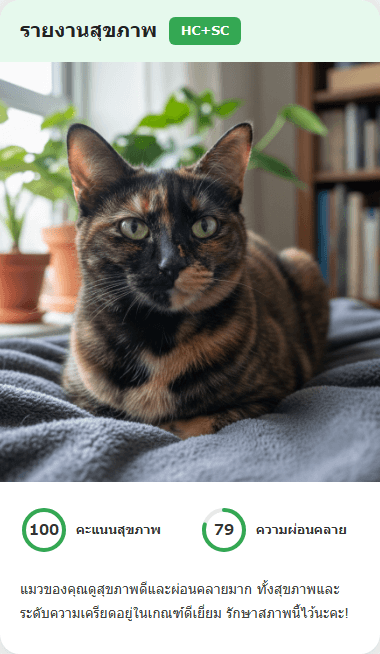

Your cat's daily companion
From grooming reminders to weight trends, CatsMe keeps your cat's care routine on track — all in one app.
ทาสแมวกว่า 380,000 คนใน 50 ประเทศไว้วางใจ CatsMe


Three Methods for Measuring Your Cat's Temperature at Home
1. Rectal Method (Most Accurate)
Use a pet-specific digital thermometer with a flexible tip. Apply petroleum jelly or water-based lubricant to the tip, gently lift the tail, and insert approximately 2–3 cm into the rectum. Measurement takes about 60 seconds. This is the gold standard, but cats often resist, so it is safest with two people. Never use a glass mercury thermometer — breakage poses a serious risk.
2. Ear (Infrared) Method
An infrared ear thermometer is placed in the ear canal to read the temperature near the eardrum. It takes only a few seconds and causes minimal stress. However, ear wax and insertion angle can cause inaccuracies, and readings may be 0.5–1.0°C lower than rectal. Treat the result as a reference value.
3. Non-Contact (Infrared) Method
Point the thermometer at the forehead or base of the ear without touching the cat. This is the least stressful option but also the least accurate, as readings are affected by fur thickness and ambient temperature. If you detect an abnormality, always confirm with a rectal measurement.
Tips and Precautions for Taking Your Cat's Temperature
The most important factor for successful temperature-taking is keeping your cat calm. Wrap the cat in a large bath towel with only the head exposed — this "cat burrito" technique reduces the risk of scratches and keeps everyone safe.
Ideally, work in pairs: one person gently restrains the cat while the other handles the thermometer. Speaking softly to your cat throughout the process provides reassurance. If the cat struggles or becomes aggressive, stop immediately. Forcing the procedure can cause injury and damage your cat's trust.
Have the thermometer ready before you begin and aim to complete the process as quickly as possible. For rectal measurements, turn the thermometer on before insertion to save precious seconds.
After measurement, reward your cat with a treat or a favorite play session. Associating temperature-taking with positive experiences makes future attempts much easier. Always disinfect the thermometer with an alcohol wipe after use and store it in a clean place.
Signs of Fever and First Aid Measures
Even without a thermometer, certain physical signs suggest your cat may have a fever: ears that feel hotter than usual, a dry nose, and warm paw pads. Behavioral changes such as decreased appetite, lethargy, changes in water intake, and hiding are also common indicators.
If the temperature exceeds 40°C (104°F), seek veterinary care promptly. Kittens and senior cats are especially vulnerable, as they can deteriorate quickly.
While waiting for veterinary attention, move your cat to a cool area and offer fresh water to encourage hydration. Placing a damp towel on the ears or paw pads can help. However, avoid using ice water or cold water directly, as this can cause a dangerous rapid drop in body temperature.
The most critical warning: Never give your cat human fever-reducing medications. Acetaminophen (Tylenol) is extremely toxic to cats — even a single tablet can be lethal. Ibuprofen and aspirin are also poisonous to cats. Only use medications prescribed by a veterinarian.
Making Regular Temperature Checks a Habit
We recommend making temperature measurement a monthly routine, not just something you do when your cat seems ill. Accumulating baseline data when your cat is healthy makes it far easier to spot subtle changes early.
Record each measurement with the date. The CatsMe app lets you log and manage temperature data effortlessly. Over time, graphs reveal your cat's normal temperature pattern, making it easy to notice even a 0.5°C deviation from baseline. When visiting the vet, sharing this recorded data helps them make more accurate assessments.
For a comprehensive health picture, also track weight, food intake, and litter box habits alongside temperature. Cross-referencing these records with regular checkup results enables even more precise health management.
Whenever something feels "off," take your cat's temperature. A pet owner's daily observation is the most powerful tool for protecting a beloved cat's health.
Common Mistakes When Taking a Cat's Temperature
Avoid these common errors when measuring your cat's temperature at home.
Mistake 1: Using a glass mercury thermometer. The risk of breakage is too high. Always use a pet-specific digital thermometer with a flexible tip.
Mistake 2: Attempting measurement alone. A struggling cat can cause injury to both of you. Work with a partner for speed and safety.
Mistake 3: Trusting non-contact readings without confirmation. Non-contact thermometers are the least accurate method. Always confirm an abnormal reading with a rectal measurement.
Mistake 4: Giving human fever reducers. Acetaminophen is lethal to cats. Ibuprofen and aspirin are also toxic. Only use medications prescribed by your veterinarian.
Mistake 5: Using ice water to cool a feverish cat. Rapid temperature drops are dangerous. Move the cat to a cool area and apply damp towels to the ears and paw pads instead.
Expert Tips for Home Temperature Monitoring
Veterinary professionals recommend these practices for effective home temperature monitoring.
Practice makes perfect. Measure monthly when your cat is healthy. Both you and your cat become familiar with the procedure, making emergency measurements far smoother.
The power of rewards. Always follow temperature-taking with a treat. The association between thermometer and reward significantly reduces resistance over time.
Daily ear-touch habit. Even without a thermometer, familiarizing yourself with your cat's normal ear temperature through daily touch improves your ability to detect 'hotter than usual' changes.
Documentation matters. Record each reading with the date. Providing accurate temperature history to your veterinarian enables more precise diagnosis and treatment decisions.
Extra vigilance for senior cats. Older cats have reduced immune function, making even mild fevers potentially significant indicators of infection. Readings of 39.5°C or above in senior cats warrant prompt veterinary evaluation.
ถ้าสัตวแพทย์ถามว่า "เริ่มเป็นตั้งแต่เมื่อไหร่" คุณตอบได้ไหม?
อย่าปล่อยให้ตัวเองตอบไม่ได้ตอนพบหมอ CatsMe บันทึกคะแนนสุขภาพรายวันอัตโนมัติ แชร์ให้สัตวแพทย์ได้แค่แตะเดียว
猫 体温 測り方猫 平熱猫 発熱 症状猫 体温計猫の健康管理
FAQ
 CatsMe
เตรียมพร้อมตั้งแต่วินาทีที่รู้สึกว่ามีอะไรผิดปกติ
ถ่ายรูปเพียงใบเดียว AI จะอ่านความเจ็บปวดและสภาพสุขภาพจากสีหน้าของแมว ตรวจได้ทันทีที่กังวล และแชร์บันทึกให้สัตวแพทย์ได้