Osteochondrodysplasia (OCD)
The gene causing folded ears affects cartilage throughout the body, leading to joint deformities and pain. All folded-ear cats are affected to varying degrees.
Detailed guide to 4 health conditions common in Scottish Fold, including symptoms, risk levels, and prevention tips.
The gene causing folded ears affects cartilage throughout the body, leading to joint deformities and pain. All folded-ear cats are affected to varying degrees.
Progression of osteochondrodysplasia leads to joint deformities and chronic pain, particularly in the ankles and tail joints.
HCM has also been reported in Scottish Folds. Regular cardiac examinations are important for early detection.
The folded ear structure reduces air circulation in the ear canal, making earwax buildup and ear infections more likely.
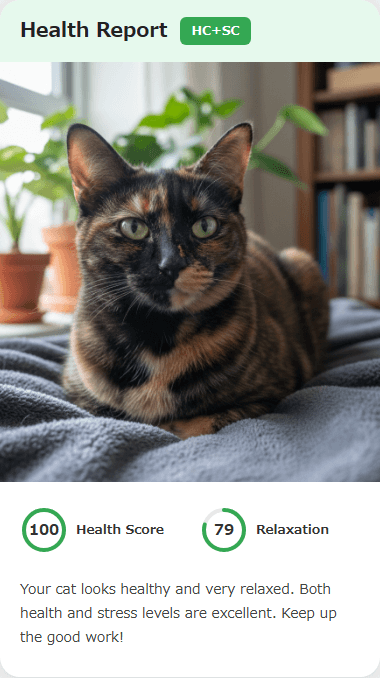
 CatsMe
Tek bir fotoğraf yeter: Yapay zekâ, kedinizin ifadesinden ağrıyı ve sağlık durumunu okur. Endişelendiğiniz anda kontrol edin, kaydı veterinerinizle paylaşın.