

Russian Blue: Breed Characteristics & Personality
The Russian Blue is instantly recognizable by its shimmering silver-blue coat and striking emerald-green eyes. Personality-wise, these cats are gentle, reserved, and deeply loyal to their owners, though they tend to be shy around strangers.
With an average lifespan of 15 to 20 years, Russian Blues are among the longest-lived cat breeds and have relatively few hereditary health issues. That said, their sensitive temperament makes them particularly vulnerable to stress, so creating a calm, stable home environment is essential for keeping them healthy and happy.
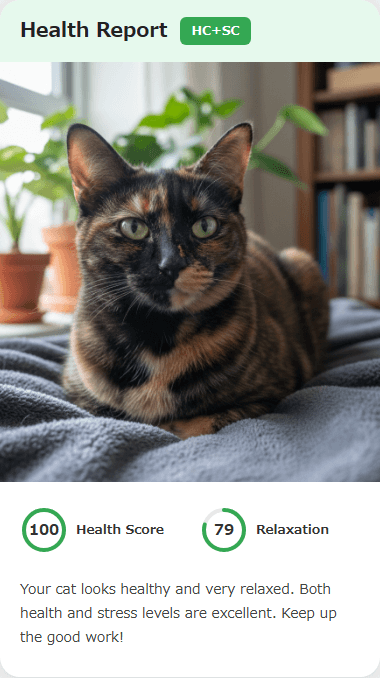

For senior cats, every day matters
Subtle changes can signal serious issues in older cats. CatsMe tracks behavior, appetite, and health scores so you can act fast.
50 ülkede 380.000'den fazla kedi sahibi CatsMe'ye güveniyor


Common Health Issues in Russian Blues
Urinary tract disease (FLUTD): Stress is a common trigger, and Russian Blues have a slightly elevated risk for feline idiopathic cystitis.
Obesity: Many Russian Blues have hearty appetites, and indoor-only living can lead to weight gain if exercise is insufficient. Check out our cat obesity prevention guide for weight management strategies.
Diabetes: Often develops secondary to obesity, particularly in middle-aged and older cats.
Stress-related conditions: Because of their sensitive nature, Russian Blues may develop psychogenic alopecia (over-grooming) or appetite loss when their environment changes. Learn to recognize the signs of stress in cats early.
Care Tips: Environment & Stress Management
Keep things quiet: Russian Blues don't do well in noisy households. Provide multiple safe hiding spots such as a dedicated quiet room, elevated perches on cat trees, or enclosed cat beds.
Stick to a routine: Feed and play at consistent times each day. When guests visit, make sure your cat has an escape route to a calm, private space.
Indoor exercise: These cats are intellectually curious, so puzzle feeders and fetch games work well. Aim for 15 to 20 minutes of interactive play daily.
Brushing: Their short, dense double coat sheds minimally. Brushing once or twice a week is all that's needed to keep their coat in top shape.
Practical Tips & How-To: Living with a Russian Blue
Here are practical, actionable tips to make life with your Russian Blue as harmonious as possible.
Feeding management: Russian Blues tend to have healthy appetites, so using an automatic feeder to distribute meals across three to four smaller portions per day is highly effective. Pair this with a food puzzle to slow down eating while providing mental stimulation. Our cat food guide has detailed nutrition advice for every life stage.
Litter box placement: Given their sensitive temperament, place the litter box in a quiet, low-traffic area and opt for a large, open-style box. Review the fundamentals of litter box management to avoid common mistakes. Never switch litter brands abruptly — transition gradually by mixing old and new over a week.
Guest preparation: Plug in a synthetic pheromone diffuser (such as Feliway) at least 30 minutes before visitors arrive. On days with heavy foot traffic, set up a designated safe room equipped with water, food, a litter box, and familiar blankets. This gives your Russian Blue a reliable retreat where they can decompress without feeling trapped. Make sure the door stays closed and instruct guests not to enter that room. Many owners find that their Russian Blue comes out to investigate on their own once the house quiets down, which is a much healthier pattern than being forced into social interactions they find overwhelming.
Common Misconceptions About Russian Blues
Several persistent myths surround Russian Blues. Understanding the facts leads to better, more informed care.
"They're hypoallergenic": While some sources claim Russian Blues produce less Fel d 1 protein — the primary cat allergen — the scientific evidence is limited and inconclusive. If you have cat allergies, always spend time with a Russian Blue before committing to adoption. Allergy testing beforehand can prevent heartbreak for both you and the cat.
"They don't need exercise": Their calm demeanor leads many to assume they're couch potatoes, but Russian Blues are intellectually curious cats that can develop stress-related behaviors without adequate stimulation. Interactive play sessions are not optional — they're essential for preventing issues like over-grooming, appetite changes, and litter box avoidance. Puzzle toys, wand toys, and even clicker training work wonderfully with this breed.
"They can't live with other cats": Russian Blues are cautious, not antisocial. With a proper gradual introduction, they can form strong bonds with housemates. In fact, many breeders note that pairing two Russian Blues often results in an especially close companionship. The key is patience during the introduction phase — rushing the process almost guarantees failure, but taking two to three weeks for a slow introduction usually results in peaceful coexistence. Monitor stress signs throughout and be prepared to extend the timeline if needed.
Expert Recommendations for Russian Blue Health
Here's what veterinarians and experienced breeders specifically recommend for Russian Blue health management.
Annual wellness exams with urinalysis emphasis: During regular checkups, request a comprehensive urinalysis in addition to standard blood work. Because Russian Blues carry an elevated risk for urinary tract disease, monitoring urine specific gravity and pH on a regular basis can catch problems months before clinical symptoms appear. Ask your vet about the SDMA kidney marker as well — it detects renal decline far earlier than traditional creatinine testing.
Weight management targets: A healthy adult Russian Blue typically weighs between 7.5 and 12 pounds (3.5–5.5 kg). Establish the habit of weighing your cat monthly — a kitchen scale works perfectly for this. Any unexplained loss or gain of more than half a pound warrants a vet visit. The CatsMe app can help you visualize weight trends over time.
Dental care protocol: Oral health is a frequently overlooked aspect of Russian Blue care. To prevent dental disease, aim for tooth brushing at least three times per week using an enzymatic cat toothpaste. If your cat resists a toothbrush, start with dental gel applied to the gums, then gradually introduce a finger brush. Dental treats can supplement but should never replace active brushing.
Stress monitoring checklist: Create a weekly habit of noting any changes in grooming frequency, appetite, litter box usage, social behavior, and sleeping patterns. Subtle shifts in these areas are often the earliest indicators of both physical illness and psychological stress in this sensitive breed. Track these observations in the CatsMe app to share concrete data with your veterinarian.
CatsMe Health Tracking for Russian Blues
Managing the nuanced health needs of a Russian Blue requires consistent daily tracking — and the CatsMe app makes this effortless rather than burdensome.
What to record: Body weight (monthly at minimum), daily food intake and appetite changes, water consumption, litter box frequency and stool quality, any vomiting episodes, grooming intensity, and responsiveness during play. These data points may seem minor individually, but together they paint a comprehensive picture of your cat's wellbeing over weeks and months.
Early detection of urinary issues: By logging litter box visits and approximate urine volume in CatsMe, you build a baseline that makes deviations immediately obvious. A sudden increase in frequency with smaller volumes, for example, is a classic early warning sign of FLUTD. This is especially critical during winter months when reduced water intake concentrates the urine and elevates risk.
Sharing data with your veterinarian: When you bring CatsMe records to your cat's health checkup, you transform vague concerns like "she seems a bit off" into concrete, data-driven conversations. Veterinarians can spot trends in weight, appetite, and behavior that might otherwise go unnoticed in a brief clinic visit. Many vets appreciate this level of owner engagement because it significantly improves diagnostic accuracy and helps them tailor treatment plans to your cat's specific patterns and needs.
Veteriner "ne zamandan beri böyle?" diye sorsa cevap verebilir misiniz?
Veterinerde cevapsız kalmayın. CatsMe günlük sağlık puanlarını otomatik kaydeder ve tek dokunuşla paylaşmanızı sağlar.
ロシアンブルー猫種尿路疾患肥満ストレス
FAQ
 CatsMe
Bir şeylerin yanlış olduğunu hissettiğiniz an harekete geçmeye hazır olun
Tek bir fotoğraf yeter: Yapay zekâ, kedinizin ifadesinden ağrıyı ve sağlık durumunu okur. Endişelendiğiniz anda kontrol edin, kaydı veterinerinizle paylaşın.