

What Does Cat Grass Do?
Cat grass refers to the young shoots of grasses such as oat, barley, and wheat. The exact reason cats eat grass is not fully understood, but several benefits are thought to play a role:
- Aids hairball elimination: The fiber stimulates the digestive tract, helping cats pass hairballs through vomiting or in stool.
- Provides trace nutrients: Small amounts of vitamins and folic acid.
- Instinctive behavior: Even wild cats have been observed eating grass.
- Environmental enrichment: Offers indoor cats an engaging, natural activity that helps reduce boredom.
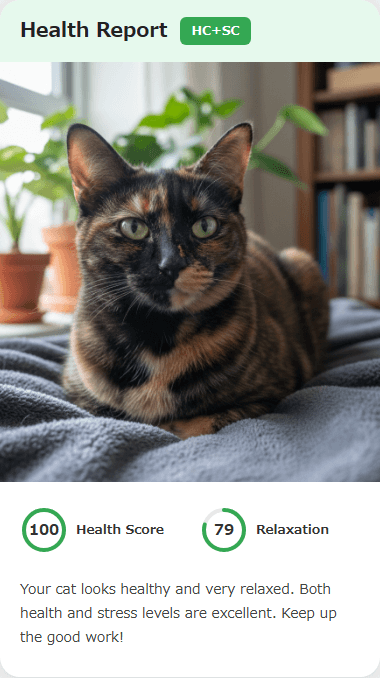

Your cat's daily companion
From grooming reminders to weight trends, CatsMe keeps your cat's care routine on track — all in one app.
50 ülkede 380.000'den fazla kedi sahibi CatsMe'ye güveniyor


Safe Varieties and How to Grow Cat Grass
Safe varieties:
- Oat grass — the most popular choice
- Barley grass
- Wheat grass
- Ryegrass
How to grow it: Ready-made cat grass kits make this easy. From seed to snack takes just 7 to 10 days.
1. Fill a container with soil and scatter the seeds.
2. Water well and place in a bright spot.
3. Once the grass reaches 10–15 cm (4–6 inches), offer it to your cat.
4. Replace with a fresh batch when it wilts (every 2–3 weeks).
Always use pesticide-free seeds. Never let your cat eat grass from outdoors, as it may have been treated with pesticides or herbicides.
Toxic Plants Every Cat Owner Must Avoid
Many common houseplants are dangerous to cats. Be sure to review our full toxic substances list for cats.
Especially dangerous plants:
- Lilies (Easter lily, Asiatic lily, tulips) — Extremely toxic. Even small amounts can cause acute kidney failure and can be fatal.
- Poinsettia — Causes irritation of the mouth and gastrointestinal tract
- Aloe vera — Triggers vomiting and diarrhea
- Dracaena (corn plant) — Causes vomiting and loss of appetite
- English ivy — Can cause skin irritation and vomiting
- Sago palm — Causes liver failure and is often fatal
Review your home alongside our indoor safety guide. If your cat ingests a toxic plant, refer to our emergency first aid article and seek veterinary care immediately.
Step-by-Step Guide to Growing Cat Grass at Home
Follow this detailed process to grow fresh, safe cat grass in your home with minimal effort and equipment.
Step 1: Purchase a kit or seeds. Cat grass growing kits are available at pet stores and garden centers. You can also buy seeds separately — oat grass is the most popular and easiest to grow. Always choose organic, pesticide-free seeds.
Step 2: Prepare the container and soil. Fill a shallow container with drainage holes with potting soil. A heavy ceramic pot that your cat cannot easily knock over is the best choice.
Step 3: Sow the seeds. Scatter seeds evenly over the soil surface and cover with a thin layer of soil. Water thoroughly and place near a bright window, avoiding direct harsh sunlight that can scorch young shoots.
Step 4: Germination and growth. Seeds will sprout within 3 to 5 days. Water daily to keep the soil consistently moist. After 7 to 10 days, the grass will reach approximately 10 cm (4 inches) and be ready for your cat to enjoy.
Step 5: Maintenance and rotation. Cat grass naturally wilts after 2 to 3 weeks. Grow two pots on an alternating schedule so fresh grass is always available when the current batch declines. Discard wilted grass rather than letting your cat eat it.
Step 6: Placement and access control. Position the grass where your cat can reach it freely. For cats that tend to overeat, limit access to 10-minute sessions to prevent excessive consumption and the vomiting that often follows.
Common Mistakes with Cat Grass and Houseplants
Protect your cat by avoiding these common mistakes related to cat grass and indoor plants.
Mistake 1: Bringing in grass from outdoors. Outdoor grass may be contaminated with pesticides, herbicides, fertilizers, or vehicle exhaust. Always provide cat grass grown indoors from pesticide-free seeds.
Mistake 2: Assuming cat grass prevents interest in other plants. Many cats will still investigate and chew on other houseplants even when cat grass is available. Remove all toxic plants from your home regardless of whether you provide cat grass.
Mistake 3: Trusting 'pet safe' labels uncritically. Even plants marketed as pet-safe can cause vomiting or diarrhea if consumed in large quantities. Always cross-reference with our toxic substances list before bringing any new plant into your home.
Mistake 4: Keeping lilies 'just out of reach.' Lily pollen alone can be lethal to cats — it drifts through the air and lands on fur, which the cat then ingests during grooming. No amount of careful placement makes lilies safe in a cat household. Remove them completely.
Expert Tips on Cat Grass and Plant Safety
Veterinarians and botanists offer these recommendations for safely incorporating plants into a home with cats.
Choose cat-safe houseplants. Plants generally considered safe for cats include money trees (Pachira), banyan figs (Ficus microcarpa), Boston ferns, areca palms, and spider plants. However, even safe plants can cause mild gastrointestinal upset if eaten in large amounts.
Use cat grass as environmental enrichment. For indoor cats, cat grass provides a natural sensory experience. Chewing, pulling, and sniffing grass satisfies instinctive behaviors that reduce boredom and stress.
Monitor vomiting frequency. If your cat vomits after eating cat grass more than a few times per week, this may indicate a hairball problem or underlying gastrointestinal disease rather than a normal reaction. Discuss the pattern at your next wellness visit.
Never trust 'out of reach' placement for toxic plants. Cats are extraordinary jumpers and climbers. Assume there is no shelf, ledge, or hanging basket that your cat cannot eventually access. The only safe approach is to remove toxic plants from the home entirely.
When to Consult a Vet About Plant Ingestion
Seek emergency veterinary care immediately in any of the following plant-related situations.
Suspected ingestion of a toxic plant. If your cat may have eaten any part of a lily or gotten lily pollen on their fur, this is a life-threatening emergency. Seeking treatment before symptoms appear is critical — once kidney failure begins, the prognosis worsens dramatically.
Persistent vomiting after eating cat grass. One or two episodes of vomiting are normal, but repeated vomiting or vomiting accompanied by diarrhea warrants professional evaluation.
Drooling or signs of oral pain. Many toxic plants cause irritation and burning of the mouth and throat. Excessive drooling, pawing at the mouth, or reluctance to eat may indicate plant toxicity.
Lethargy or appetite loss following plant exposure. If your cat becomes uncharacteristically quiet or refuses food after potential plant ingestion, toxins may already be causing internal damage.
First aid tip: If possible, bring a sample or photo of the plant to the vet for identification. Do not attempt to induce vomiting at home without veterinary guidance — some plant toxins cause additional damage on the way back up.
Veteriner "ne zamandan beri böyle?" diye sorsa cevap verebilir misiniz?
Veterinerde cevapsız kalmayın. CatsMe günlük sağlık puanlarını otomatik kaydeder ve tek dokunuşla paylaşmanızı sağlar.
猫草有毒植物安全室内
FAQ
 CatsMe
Bir şeylerin yanlış olduğunu hissettiğiniz an harekete geçmeye hazır olun
Tek bir fotoğraf yeter: Yapay zekâ, kedinizin ifadesinden ağrıyı ve sağlık durumunu okur. Endişelendiğiniz anda kontrol edin, kaydı veterinerinizle paylaşın.