

Preparing Before the New Cat Arrives
Health check: Every new cat must receive a veterinary exam and be up to date on vaccinations before introduction. Testing for FeLV and FIV is mandatory.
Set up a quarantine room: Keep the newcomer in a separate room for at least two weeks. Equip the room with a litter box, water, food, a scratching post, and hiding spots.
Resource planning: Provide one litter box per cat plus one extra. Food bowls and water dishes should also be individual.
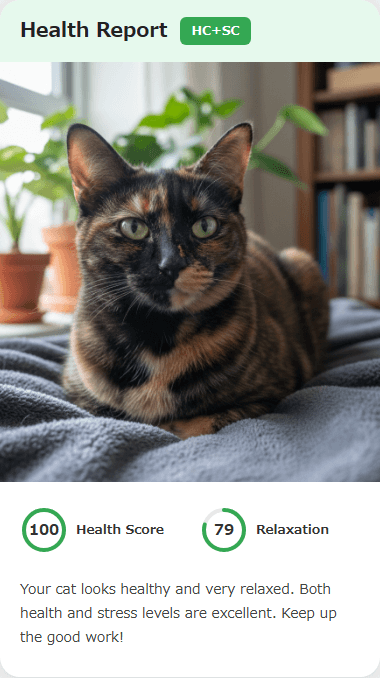

Your cat's daily companion
From grooming reminders to weight trends, CatsMe keeps your cat's care routine on track — all in one app.
50 ülkede 380.000'den fazla kedi sahibi CatsMe'ye güveniyor


Step-by-Step Introduction Process
Step 1 (1–2 weeks): Complete separation. Let the cats sense each other through the closed door. Place food on both sides of the door so they associate the other cat's presence with something positive.
Step 2 (3–5 days): Scent swapping. Rub each cat with a towel and place it in the other cat's space. If neither cat reacts negatively, move on.
Step 3 (3–5 days): Room swapping. Let the newcomer explore the main living area while the resident cat visits the quarantine room. This lets each cat experience the other's territory.
Step 4: Visual contact. Crack the door open or use a baby gate so the cats can see each other. Offer treats and food to reinforce positive associations.
Step 5: Face-to-face meetings. Start with short, supervised encounters. If hissing occurs, separate them calmly and try again the next day.
Patience is critical — plan on at least 2 to 4 weeks for the full process.
Troubleshooting Common Problems
Fighting: Separate the cats and go back a step in the process. Use Feliway (synthetic pheromone) diffusers to ease tension.
Spraying starts: This signals territorial stress. Add more resources and slow down the introduction timeline.
Resident cat hides or stops eating: These are stress indicators. Prioritize the resident cat's well-being and proceed more gradually.
Cats that never become friends: Some cats will not bond, and that is okay. A relationship of "peaceful coexistence" — sharing a home while keeping separate spaces — is a perfectly acceptable outcome.
See also our guide on multi-cat household basics.
Common Mistakes When Introducing Cats
Understanding these common pitfalls helps you avoid the mistakes that most frequently derail cat introductions.
Mistake 1: Face-to-face meeting on day one. This is the single most damaging error. An immediate encounter makes the resident cat feel their territory has been invaded, triggering aggression that can be extremely difficult to undo once established.
Mistake 2: Shortening the isolation period. A minimum of two weeks of complete separation is essential. Concluding after two or three days that "they seem fine" almost always leads to premature conflict.
Mistake 3: Neglecting the resident cat. Focusing all attention on the exciting new arrival while ignoring the resident cat creates jealousy and stress. The resident cat's emotional well-being must remain the top priority throughout the process.
Mistake 4: Forcing resource sharing. Litter boxes, food bowls, and water dishes must be separate for each cat. Shared resources intensify territorial competition. See our multi-cat household guide for detailed setup recommendations.
Mistake 5: Letting fights play out. The assumption that "they will work it out themselves" is a dangerous misconception. Uninterrupted fighting can escalate to serious injuries and establish a permanent adversarial relationship that is extremely difficult to reverse.
Expert Tips for a Successful Introduction
Feline behavior specialists recommend these proven techniques for maximizing the likelihood of a harmonious multi-cat household.
Consider compatibility before adopting. Cats of similar age and energy levels tend to form better relationships. Pairing a high-energy kitten with an elderly cat often creates chronic stress for the senior rather than companionship.
Use multi-cat pheromone products. Feliway Friends is specifically formulated for multi-cat households and targets inter-cat tension. Using it alongside the standard Feliway Classic provides comprehensive pheromone support during the introduction process.
Leverage mealtimes for positive association. Feed both cats simultaneously on opposite sides of the closed door, reinforcing the connection between the other cat's presence and a positive experience. Gradually decrease the distance between the food bowls over several days as tolerance builds.
Build bonds through shared play. Once supervised face-to-face meetings begin, facilitate interactive play sessions with both cats present. Shared positive experiences create the foundation for a cooperative relationship.
Patience is the ultimate success factor. The average introduction takes two to four weeks, but some cats need three months or longer. Rushing is the single greatest threat to success. Let the cats set the pace and resist the temptation to accelerate the timeline.
When to Consult a Vet During the Introduction Process
Seek professional help from your veterinarian or a certified animal behaviorist if any of the following issues arise during the introduction process.
Bite wounds from fighting. Cat bite wounds have a high risk of abscess formation due to the bacteria in a cat's mouth. Swelling or pus around a bite requires immediate veterinary treatment with antibiotics.
Resident cat stops eating. Appetite loss lasting more than two days creates a risk of hepatic lipidosis and may also indicate an underlying medical problem compounding the stress response.
Litter box accidents or spraying behavior emerge. Toileting problems are the most common stress symptom in multi-cat environments and signal that resource distribution needs immediate reassessment.
Excessive grooming or hair loss. Stress-induced over-grooming is a clear signal to slow down the introduction timeline and reassess the environmental setup before proceeding.
Persistent hostility after one month or more. At this point, professional behavioral intervention is warranted. In some cases, the most humane solution may be a permanent arrangement where the cats live in separate areas of the home with managed access.
Veteriner "ne zamandan beri böyle?" diye sorsa cevap verebilir misiniz?
Veterinerde cevapsız kalmayın. CatsMe günlük sağlık puanlarını otomatik kaydeder ve tek dokunuşla paylaşmanızı sağlar.
多頭飼い新しい猫引き合わせ先住猫
FAQ
 CatsMe
Bir şeylerin yanlış olduğunu hissettiğiniz an harekete geçmeye hazır olun
Tek bir fotoğraf yeter: Yapay zekâ, kedinizin ifadesinden ağrıyı ve sağlık durumunu okur. Endişelendiğiniz anda kontrol edin, kaydı veterinerinizle paylaşın.