

What Does FIV-Positive Mean? What to Know After Diagnosis
FIV (Feline Immunodeficiency Virus) gradually attacks a cat's immune system and is sometimes called "feline AIDS," but it cannot infect humans.
Many FIV-positive cats remain asymptomatic for years or even over a decade, and with proper care it is not unusual for them to live a normal lifespan.
How FIV Spreads
- Primarily through deep bite wounds (from fighting)
- Casual contact does not typically transmit the virus
Stages of FIV
1. Acute phase: Early infection with mild fever and swollen lymph nodes
2. Asymptomatic carrier phase: Lasts years to over a decade with no clinical signs
3. Immunodeficiency phase: Opportunistic infections or cancer may develop, though not all FIV-positive cats progress to this stage
See also our article on FeLV/FIV for more details.
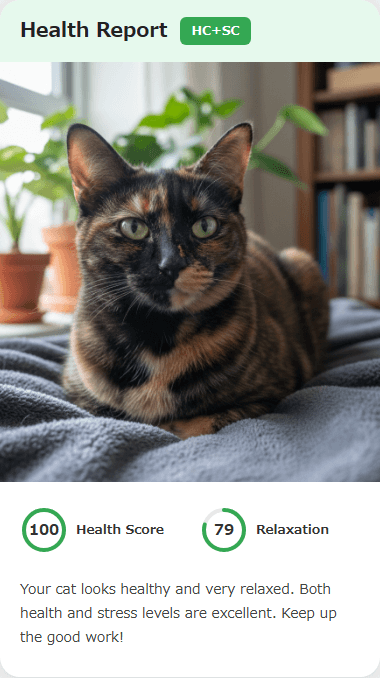

Your cat's daily companion
From grooming reminders to weight trends, CatsMe keeps your cat's care routine on track — all in one app.
50 ülkede 380.000'den fazla kedi sahibi CatsMe'ye güveniyor


Daily Management & Keeping Your FIV-Positive Cat Healthy
Practice these care strategies to maximize quality of life for an FIV-positive cat.
Keep Your Cat Strictly Indoors
Indoor living is essential — both to prevent transmission to other cats and to reduce your cat's exposure to infections.
Nutrition
- Feed a high-quality, nutritionally complete diet
- Avoid raw meat or undercooked foods, which may harbor pathogens
- Maintain proper weight management
Regular Veterinary Checkups
- Biannual wellness exams are recommended
- Blood work to monitor immune status and organ function
- Oral exams (FIV-positive cats face a higher risk of stomatitis)
Stress Reduction
Stress suppresses the immune system, so maintaining a calm, stable environment is crucial.
Oral Care
FIV-positive cats are at elevated risk for chronic gingivostomatitis, so consistent dental care at home is important.
Living with Other Cats: Multi-Cat Household Considerations
Housing an FIV-positive cat with FIV-negative cats is possible with careful management.
Actual Transmission Risk
- Because FIV spreads mainly through deep bite wounds, the risk among cats that get along well is low
- Transmission through mutual grooming or shared food bowls is extremely unlikely
Tips for Safe Cohabitation
- Spay/neuter all cats: Reduces aggression and territorial fighting
- Provide ample resources: Offer litter boxes, food bowls, and resting spots in a number equal to the cats plus one
- Gradual introductions: Follow a proper introduction protocol
- Annual FIV testing: Yearly testing of housemate cats is recommended
Adopting an FIV-Positive Cat
FIV-positive cats are often overlooked in shelters, yet with appropriate care they can live long, happy lives. The notion that "feline AIDS equals a short life" is a misconception.
Practical Guide to FIV-Positive Cat Health Management
Protecting the long-term health of an FIV-positive cat requires a systematic management approach. Below is a detailed practical care plan you can implement on a daily and monthly basis.
Monthly Health Checklist
Make a habit of checking the following items at home once a month.
- Weigh your cat (sudden gains or losses are red flags)
- Inspect the mouth (look for gum redness, ulcers, and changes in breath odor)
- Palpate lymph nodes (feel under the jaw and armpits for swelling)
- Assess the coat (excessive shedding, dandruff, or skin abnormalities)
- Track appetite and water intake
Vaccination Considerations
Vaccination for FIV-positive cats should be discussed individually with your veterinarian. In general, core vaccines (feline panleukopenia, calicivirus, and herpesvirus) are recommended using inactivated (killed) formulations. For strictly indoor cats, the decision involves balancing infection risk against the immune stimulation that vaccines cause.
Supplement Support
Discuss immune-supportive supplements such as L-lysine and probiotics with your veterinarian. While scientific evidence for some supplements remains limited, certain products may help maintain overall health and support the immune system in a meaningful way.
Environmental Enrichment
FIV-positive cats deserve an active, fulfilling life. Provide indoor play opportunities and install cat trees to create a low-stress yet stimulating living environment. Mental and physical engagement helps keep the immune system in better shape and contributes to overall well-being.
Expert Analysis: The Cutting Edge of FIV Research
FIV research is a vital area of veterinary medicine, and new findings are emerging at a steady pace. Here is an expert overview of the latest developments that may shape how we care for FIV-positive cats in the future.
Current State of FIV Vaccines
An FIV vaccine (Fel-O-Vax FIV) was previously marketed in the United States but has since been discontinued. A significant diagnostic challenge existed because antibodies from vaccination were indistinguishable from those produced by natural infection. Next-generation vaccine research is ongoing, but commercialization is still some way off.
Antiviral Drug Research
Some antiretroviral drugs used in human HIV treatment are being studied for potential efficacy against feline FIV. Agents such as AZT (zidovudine) and interferon have been used experimentally in select cases, but the balance between side effects and therapeutic benefit has prevented them from becoming standard-of-care treatments.
FIV and Feline Immune Aging
Recent research suggests that FIV infection may accelerate the aging of a cat's immune system, a finding with important implications for senior cat care. Understanding this connection helps veterinarians tailor monitoring protocols for older FIV-positive cats.
Gene Therapy Horizons
The possibility of using gene-editing technology such as CRISPR to fundamentally treat FIV is being explored at the basic research level. Clinical application remains distant, but the approach holds the potential to transform the treatment paradigm in the future.
A Message for Owners
While research is progressing steadily, the most effective FIV management strategy today remains prevention and regular monitoring. Rather than placing excessive hope in emerging therapies, focus on consistent daily care — that is what makes the biggest difference in your cat's quality and length of life.
When to Take Action: Recognizing Decline in FIV-Positive Cats
FIV-positive cats often remain asymptomatic for long periods, but symptoms can emerge as immune function declines over time. Seeking veterinary attention early can prevent serious complications from developing.
Signs That Require an Immediate Vet Visit
- Oral abnormalities: Severely red gums, ulcers, or pain while eating (possible chronic gingivostomatitis)
- Persistent fever: Temperature above 39.5 C (103.1 F) lasting more than 24 hours
- Rapid weight loss: More than 5% of body weight lost within two weeks
- Swollen lymph nodes: Lumps under the jaw or in the armpits (possible lymphoma)
- Slow-healing wounds or skin abnormalities: May indicate infection due to immune suppression
The Importance of Routine Visits
Biannual checkups are recommended for FIV-positive cats, but move the schedule forward if you observe any of the following.
- Loss of appetite lasting more than three days
- Recurrent diarrhea or vomiting
- Noticeably reduced energy or increased hiding behavior
- Ongoing sneezing, nasal discharge, or eye discharge (possible upper respiratory infection)
Information to Share at the Vet Visit
1. That your cat is FIV-positive (especially important when visiting a new clinic)
2. Recent changes in appetite, water intake, and elimination
3. Behavioral shifts such as activity level and grooming frequency
4. Current medications and supplements
5. Whether other cats live in the household and their FIV testing status
Resources & Support for FIV-Positive Cat Owners
For owners living with an FIV-positive cat, here is a curated collection of resources and support networks to help you provide the best possible care.
Trusted Information Sources
- AAFP (American Association of Feline Practitioners) FIV guidelines: Evidence-based management recommendations updated regularly
- ABCD (European Advisory Board on Cat Diseases) FIV fact sheet: International guidelines on infection management
- Japan Society of Feline Medicine: Domestic specialist resources
Related Carelogy Articles
- FeLV/FIV in detail: Infection mechanisms and testing explained
- Benefits of indoor living: The foundation of infection prevention
- Dental care: Essential oral management for FIV-positive cats
- Senior cat care: Age-related health management
- Stress signs: Stress management to protect immune function
Community Support
Several online communities dedicated to FIV-positive cat owners exist on social media platforms, offering shared experiences and mutual support. Connecting with other owners in the same situation can reduce anxiety and provide practical care tips that are hard to find elsewhere.
Supporting Rescue Efforts
Adopting an FIV-positive cat or supporting rescue organizations that advocate for FIV-positive cats makes a significant contribution to eliminating stigma. Help spread the message that with proper care, FIV-positive cats can live long, happy, and fulfilling lives.
Using the CatsMe App
Use the CatsMe app to record your FIV-positive cat's weight, appetite, and medication status daily, enabling you to catch even subtle changes early and share accurate data with your veterinarian.
Veteriner "ne zamandan beri böyle?" diye sorsa cevap verebilir misiniz?
Veterinerde cevapsız kalmayın. CatsMe günlük sağlık puanlarını otomatik kaydeder ve tek dokunuşla paylaşmanızı sağlar.
FIV猫エイズ免疫不全保護猫慢性疾患
FAQ
 CatsMe
Bir şeylerin yanlış olduğunu hissettiğiniz an harekete geçmeye hazır olun
Tek bir fotoğraf yeter: Yapay zekâ, kedinizin ifadesinden ağrıyı ve sağlık durumunu okur. Endişelendiğiniz anda kontrol edin, kaydı veterinerinizle paylaşın.