
News & Trends2026-05-05Carelogy編集部
2026 Cat Health AI Technology Trends: FDA-Approved Pet AI Diagnostics, Global Startups, and How to Choose in Japan
In 2026, the US FDA approved the first pet AI diagnostic device and European AI collar clinical trials accelerated. Global cat health-tech startup trends, technical approach differences, and Japan market selection criteria explained.

Bottom Line: How Cat Health AI Moves in 2026 (3 Lines)
1. First FDA-approved veterinary AI diagnostic device launched — 94% accuracy in imaging assistance, significant misdiagnosis risk reduction
2. Smart collars and IoT litter boxes become mainstream daily monitoring — continuous tracking of water intake, weight, and activity
3. Photo-based AI apps are spreading — as an aid for noticing day-to-day changes, not for diagnosis
2026 is the year cat AI moves from lab to practice. Here's a breakdown of each category's technical traits, cost, and selection criteria.
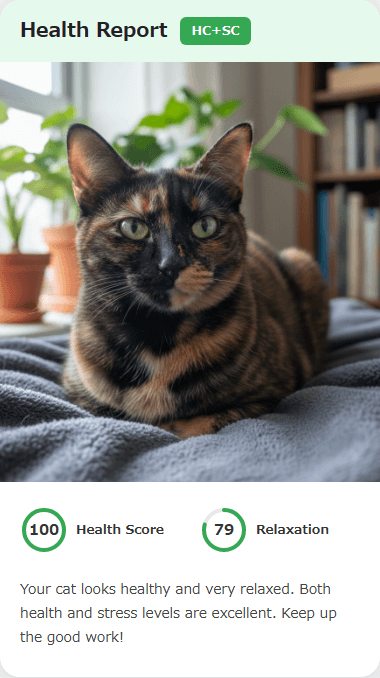

هل ستلاحظ إذا كان هناك خطب ما؟
القطط تخفي الألم. يستخدم CatsMe الذكاء الاصطناعي لفحص صورة وجه قطتك بحثًا عن علامات الألم في تعابيرها. لا يشخّص الأمراض، فإذا كنت قلقًا فاتصل بطبيبك البيطري.


Category 1: Veterinary Diagnostic AI (Imaging, Blood Analysis)
Major players:
- SignalPET (US) — X-ray AI analysis, received FDA de novo clearance in March 2026
- PicoxIA (France) — X-ray and CT AI diagnostic support
- Vetology (US) — X-ray analysis, deployed in 500+ US veterinary hospitals
- Anicom Advanced Medical Research Institute (Japan) — AI interpretation of blood test results
Technical approach:
- Trained on veterinary X-ray, CT, and MRI images
- Detects cardiomegaly, pulmonary edema, fractures, tumors
- Assists (not replaces) veterinarian final diagnosis
Published accuracy benchmarks (2026):
- Cardiomegaly detection: 94% sensitivity / 91% specificity
- Pulmonary edema detection: 89% sensitivity / 95% specificity
- Fracture detection: 97% sensitivity / 98% specificity
Cost:
- Veterinary hospital side: ¥30,000-100,000/month subscription
- Owner side: Added to clinical fee (¥1,000-3,000 per scan)
What it means for owners:
Functions as an insurance policy against vet oversight. However, AI doesn't replace diagnosis — making AI adoption an absolute requirement for vet selection is premature. The ideal is experienced vet + AI assistance.
Category 2: IoT Continuous Monitoring (Collars, Litter Boxes, Water Fountains)
Major players:
- Tractive Cat Mini (Austria) — GPS + activity tracker, 29g lightweight collar
- Catspad (France) — Smart water fountain measuring drinking volume
- Petivity (US, Mars) — Smart litter box tracking weight, urine volume, and frequency
- PETLIBRO Smart Pet Feeder — Auto-records food intake and frequency
Technical approach:
- Physical sensors (accelerometer, weight, flow rate)
- Data aggregated to cloud via Bluetooth/Wi-Fi
- Smartphone alerts on anomaly detection
Early signs detectable:
- Increased water intake → chronic kidney disease, diabetes, hyperthyroidism
- Weight loss → CKD progression, cancer, hyperthyroidism
- Increased urination frequency → FLUTD
- Reduced activity → joint disease, systemic illness
Cost:
- Initial: ¥15,000-50,000
Cautions:
- Multi-cat households struggle with 'whose data is this' identification (RFID-microchip-aware models are expensive)
- Some cats reject collars; entanglement accident risk exists
- Smart litter boxes may not match existing litter preferences
What it means for owners:
Powerful tools for catching changes, but many owners drown in data. Pick one and use it for 3 months is a realistic starting point.
Category 3: Photo-based AI apps (including CatsMe)
Photo-based AI apps can help owners notice day-to-day changes, but they do not diagnose. CatsMe (by Carelogy Inc.) uses AI to check a photo of a cat's face for signs of pain in its expression. It does not diagnose disease, assess overall health or replace a veterinarian; if you are worried, contact your vet regardless of the result.
- Keep dated records of face photos and check results, weight and meals to show your vet
- Records are kept per cat, so it works for multi-cat homes (iOS, Android and web, 14 languages)
- Developed with a background in university joint research; over 1 million checks run to date
Learn more about CatsMe →
Practical Selection Guide for the Japan Market
Recommendations by lifestyle:
① Busy single household (short at-home time)
- Main: Photo-based AI (e.g. CatsMe) — keep photos and records after you get home
- Sub: Smart water fountain — auto-tracks intake
② Multi-cat household (3+ cats)
- Main: Photo-based AI — easy per-cat records
- Sub: Microchip-identifying smart litter box
③ Household with senior cat (11+ years)
- Main: Photo-based AI + smart scale
- Sub: IoT collar for activity monitoring
- Recommended: Don't skip biannual health checkups
④ Cat with chronic disease (CKD, diabetes, etc.)
- Main: Regular exams at AI-equipped veterinary clinic
- Sub: Photo-based AI + smart water fountain for at-home monitoring
3 selection principles:
1. Sustainable as a habit? — Things cats hate or owners find tedious won't last
2. Vet collaboration possible? — Report export features are very helpful
3. Clear personal data and photo handling? — Verify the privacy policy
How to think about choosing a photo app
When choosing a photo app, check what it can and cannot do, and be cautious of anything that claims to diagnose or judge overall health. CatsMe uses AI to check a photo of a cat's face for signs of pain in its expression; if you are worried, contact your vet regardless of the result.
Learn more about CatsMe →
هل تستطيع الإجابة عن سؤال "متى بدأ هذا؟"
يفحص CatsMe صورة وجه قطتك بحثًا عن علامات الألم في تعابيرها، ويحتفظ بسجلات مؤرخة لكل قطة يمكنك مراجعتها مع طبيبك البيطري. لا يشخّص الأمراض.
AI診断ペットテックFDA承認スマート首輪ヘルステック2026
FAQ
 CatsMe
كن مستعدًا للتصرف لحظة شعورك بأن شيئًا ليس على ما يرام
التقط صورة واحدة ويفحص CatsMe بالذكاء الاصطناعي وجه قطتك بحثًا عن علامات الألم. احتفظ بسجلات مؤرخة لكل قطة لمراجعتها مع طبيبك البيطري. لا يشخّص الأمراض.