

Yellow, Green, or Bloody Nasal Discharge Signals Bacterial Infection or Serious Disease
Clear, watery nasal discharge is common with allergies or the early stages of a viral upper respiratory infection and can often be monitored at home for a day or two. However, when the discharge turns yellow, green, or thick, it typically indicates a secondary bacterial infection that requires antibiotic treatment. Blood-tinged discharge raises the stakes further — it may point to nasal tumors, polyps, a foreign body, or fungal infection.
The key to evaluating nasal discharge is to consider not just the color but also the volume, how long it has been present, whether it comes from one nostril or both, and what other symptoms accompany it. This combination of factors tells a veterinarian far more than color alone.
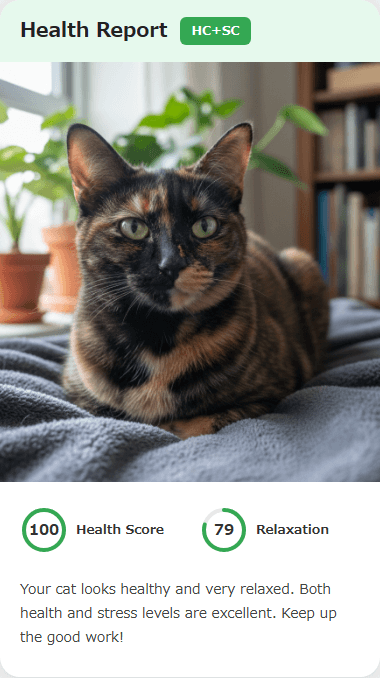

Worried about these symptoms?
Don't wait and wonder. CatsMe's AI analyzes your cat's photo to flag health concerns in seconds.
يستخدمه أكثر من 380,000 مالك قطط في 50 دولة


What Each Discharge Color Means
Clear and watery. Allergic rhinitis, early-stage cat flu (FHV-1 or FCV), or a reaction to dust and irritants. If mild and your cat is otherwise eating normally, monitoring for one to two days is reasonable.
White to pale yellow with slight thickness. This often signals the transition from a viral to a bacterial infection — the middle stage of an upper respiratory infection. Antibiotics may become necessary at this point.
Yellow to green and thick. A strong indication of secondary bacterial infection (Staphylococcus, Pasteurella, etc.). Antibiotic treatment is required. Without treatment, the infection can progress to chronic rhinitis with permanent nasal passage damage.
Blood-tinged. Bloody nasal discharge warrants prompt investigation for nasal tumors, nasal polyps, trauma, or fungal infection such as cryptococcosis. Do not wait — seek veterinary evaluation as soon as possible.
Home Care and Environmental Adjustments
Keep the nose area clean. Gently wipe away dried discharge from around the nostrils using a damp cotton pad or soft tissue. Do not attempt to insert anything into the nasal passages.
Humidify the air to ease congestion. Maintaining indoor humidity at 50 to 60 percent helps prevent the nasal lining from drying out and makes it easier for your cat to clear mucus. Bringing your cat into a steamy bathroom after you shower is an effective home steam therapy.
Support appetite. A congested nose means diminished smell, and smell is the primary driver of a cat's appetite. Warm wet food slightly in the microwave to release aroma, or add a small amount of tuna water or low-sodium broth on top.
Rest and warmth. A warm, quiet environment supports immune function. Minimize stress and let your cat sleep as much as it needs.
When to See a Veterinarian
Consult a veterinarian promptly if any of the following apply:
- Yellow or green discharge lasting more than three days
- Any blood in the nasal discharge
- Intense, frequent sneezing — multiple bouts per hour
- Nasal discharge combined with eye discharge, appetite loss, or fever
- A kitten under one year old showing nasal symptoms — young cats are at higher risk of rapid deterioration
- Discharge from only one nostril — unilateral discharge raises concern for a nasal tumor, polyp, or foreign body
Chronic rhinitis that is not properly treated can cause permanent structural damage to the nasal passages.
What Tests Will the Vet Run & Costs
The diagnostic approach to nasal discharge depends on severity, duration, and whether one or both nostrils are affected.
Physical examination and history: The vet assesses discharge color, volume, and consistency, checks for facial asymmetry, and palpates lymph nodes. Included in the exam fee, typically 1,500 to 3,000 yen ($10–20 USD).
Blood work (CBC and biochemistry): Evaluates overall health, infection markers, and organ function. Cost is approximately 5,000 to 10,000 yen ($35–70 USD). FIV and FeLV testing may be added if not previously performed.
Nasal swab culture and sensitivity: Identifies the specific bacteria involved and which antibiotics will be effective. Particularly useful for chronic or recurrent infections. Cost is about 3,000 to 8,000 yen ($20–55 USD).
Skull X-rays: Reveal bone destruction, fluid-filled sinuses, or masses in the nasal cavity. Cost is roughly 3,000 to 6,000 yen ($20–40 USD).
CT scan (advanced imaging): Provides far more detail than X-rays and is the gold standard for evaluating nasal tumors, polyps, and fungal infections. Requires general anesthesia. Cost is approximately 20,000 to 50,000 yen ($140–350 USD).
Rhinoscopy and biopsy: A small camera is inserted into the nasal passage under anesthesia to visualize the interior directly and collect tissue samples. Cost ranges from 15,000 to 40,000 yen ($100–270 USD).
For straightforward upper respiratory infections, basic treatment (exam, antibiotics, supportive care) costs approximately 5,000 to 15,000 yen. Chronic or unilateral cases requiring advanced diagnostics can reach 30,000 to 80,000 yen or more.
Age-Specific Risk Factors
Kittens (under 1 year): Kittens are by far the most vulnerable to upper respiratory infections (cat flu). Their immature immune systems mean that FHV-1 and FCV infections can progress rapidly from a runny nose to severe pneumonia, dehydration, and eye ulcers. Multi-cat environments — shelters, breeders, and foster homes — are high-risk settings. If a kitten develops nasal discharge, seek veterinary care early rather than waiting.
Adult cats (1–7 years): Chronic rhinitis from previous viral infections is common. Cats infected with FHV-1 as kittens carry the virus for life, and stress can trigger flare-ups with nasal discharge at any age. Allergic rhinitis from environmental triggers (pollen, dust) is another consideration. If discharge recurs seasonally, allergies may be the primary driver.
Senior cats (7 years and older): Unilateral (one-sided) nasal discharge in an older cat is a red flag for nasal tumors — lymphoma and adenocarcinoma are the most common types. Fungal infections such as cryptococcosis also become more likely in immunocompromised older cats. Any persistent, one-sided nasal discharge in a senior cat warrants prompt advanced imaging (CT scan) and biopsy to rule out cancer.
Regardless of age, discharge that shifts from clear to yellow or green, or from bilateral to unilateral, represents a change that should be evaluated by a veterinarian.
Prevention Tips
While not all causes of nasal discharge can be prevented, several practical steps significantly reduce the risk and severity of episodes.
Vaccination: Core vaccines against FHV-1 and FCV do not prevent infection entirely, but they dramatically reduce the severity and duration of symptoms. Keep your cat's vaccination schedule up to date, especially in multi-cat households.
Minimize stress: Stress reactivates latent FHV-1, triggering flare-ups. Maintain a stable environment, provide adequate hiding spots and vertical space, and use pheromone diffusers like Feliway during known stressful periods (holidays, renovations, visitors).
Humidity control: Maintaining indoor humidity between 50 and 60 percent supports healthy nasal mucosa and makes it easier for cats to clear mucus naturally. This is especially important during dry winter months when heating systems dehydrate indoor air.
Good nutrition and hydration: A protein-rich diet supports immune function. Wet food promotes hydration, which helps keep nasal secretions fluid rather than thick and difficult to clear.
Isolate sick cats promptly: In multi-cat homes, separate any cat showing respiratory symptoms to prevent spread. Wash hands and change clothes between handling sick and healthy cats.
Regular health monitoring: Track nasal symptoms, sneezing frequency, and appetite changes using the CatsMe app. Early pattern recognition lets you intervene before a mild episode becomes a severe one.
Evaluate Nasal Symptoms with Carelogy's Online Consultation
If you are unsure whether the situation warrants a clinic visit, or if your cat becomes stressed by travel, Carelogy's online veterinary consultation allows a vet to evaluate the discharge color, volume, duration, and accompanying symptoms remotely.
By showing the area around your cat's nose via camera, the veterinarian can help determine whether antibiotics are needed or whether home care and monitoring are sufficient. Starting appropriate treatment early is the best way to prevent a simple infection from becoming a chronic condition.
هل تستطيع الإجابة عن سؤال "متى بدأ هذا؟"
عندما يسألك الطبيب البيطري، لا تبقَ بلا إجابة. CatsMe يسجّل تلقائيًا نقاط الصحة اليومية ويمكنك مشاركتها بلمسة واحدة.
鼻水猫風邪上部気道感染鼻炎くしゃみ
FAQ
 CatsMe
كن مستعدًا للتصرف لحظة شعورك بأن شيئًا ليس على ما يرام
التقط صورة واحدة، ويقرأ الذكاء الاصطناعي علامات الألم والحالة الصحية من تعابير قطتك. تحقّق في اللحظة التي تقلق فيها، وشارك السجل مع طبيبك البيطري.