

The Bottom Line: Sneezing for 3+ Days with Colored Discharge May Be Cat Flu — See a Vet
An occasional sneeze is perfectly normal for a cat — dust, a stray piece of litter, or a tickle in the nose can trigger a single achoo with no medical significance. However, when sneezing persists for three or more days, is accompanied by yellow or green nasal discharge, or comes with eye discharge and appetite loss, you are likely dealing with cat flu (upper respiratory infection, or URI), and your cat needs veterinary attention.
Cat flu is overwhelmingly caused by two viruses: feline herpesvirus-1 (FHV-1) and feline calicivirus (FCV). Together they account for roughly 80–90 % of upper respiratory infections in cats. Other possible causes include allergies, nasal foreign bodies, dental disease, and — in chronic or one-sided cases — nasal polyps or tumors. The good news is that most viral URIs are treatable and self-limiting, but supportive care and sometimes antiviral medication can significantly shorten the illness and prevent complications like pneumonia.
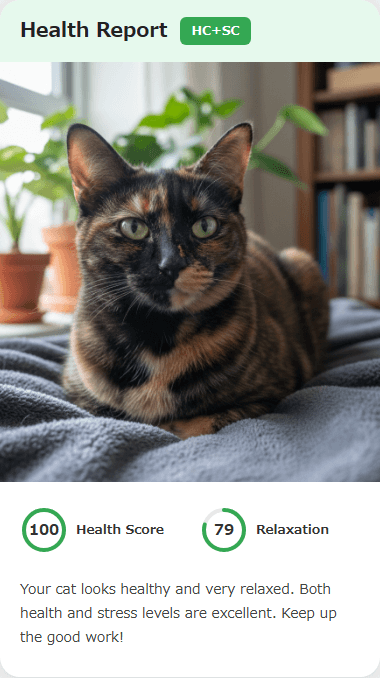

Worried about these symptoms?
Don't wait and wonder. CatsMe's AI analyzes your cat's photo to flag health concerns in seconds.
يستخدمه أكثر من 380,000 مالك قطط في 50 دولة


Common Causes of Sneezing in Cats
Identifying the underlying cause helps determine both urgency and treatment.
Cat flu (upper respiratory infection). The number-one cause. FHV-1 and FCV spread through sneeze droplets, shared food bowls, and direct contact. Symptoms typically include sneezing, runny nose, eye discharge, fever, and reduced appetite. Most cats recover in 7–14 days, but the herpesvirus can remain dormant and reactivate during stress.
Allergies. Dust, pollen, mold, cigarette smoke, scented candles, and strong cleaning products can irritate the nasal passages. Allergic sneezing tends to produce clear (not colored) discharge and is often seasonal or tied to a specific trigger.
Foreign bodies. A blade of grass, a small piece of litter, or an insect can lodge in the nasal cavity, causing sudden, violent sneezing — often from one nostril.
Dental disease. Infection in the roots of the upper teeth can erode into the nasal cavity, producing one-sided sneezing and nasal discharge. This is more common than many owners realize.
Nasal polyps or tumors. Chronic, one-sided sneezing — especially with bloody discharge — in a middle-aged or older cat raises concern for nasal polyps or nasal tumors (lymphoma, adenocarcinoma). Advanced imaging (CT scan) is usually needed for diagnosis.
Home Care & When You Can Wait
If the sneezing is mild — a few bouts a day, clear or minimal discharge, and your cat is still eating and active — you can provide supportive care at home.
1. Clean the air. Use an air purifier with a HEPA filter, and avoid spraying aerosols, burning candles or incense, or using strong-scented cleaning products near your cat.
2. Manage humidity. Dry air irritates inflamed nasal passages. A humidifier set to 50–60 % can provide significant relief. Alternatively, bring your cat into the bathroom during a warm shower for a brief steam session.
3. Keep the nose clear. Gently wipe away discharge from around the nostrils using a soft cloth or gauze dampened with warm water. Crusted discharge can block airflow and worsen congestion.
4. Support appetite and hydration. Cats rely heavily on smell to decide whether food is appealing. A congested cat loses much of its sense of smell, so warming wet food to release stronger aromas can coax it to eat. Offer extra water stations and consider low-sodium chicken broth to maintain hydration.
5. Isolate from other cats. If you have multiple cats, keep the sneezing cat in a separate room to prevent viral spread. Disinfect food bowls, water bowls, and bedding regularly.
If sneezing intensifies, discharge turns yellow or green, or your cat stops eating, transition from home care to a veterinary consultation.
When to See the Vet: Warning Signs
Contact your vet — or start with a Carelogy online consultation — if your cat shows any of the following:
- Sneezing lasting more than three days, even if the cat seems otherwise fine.
- Yellow or green nasal discharge, which typically indicates a secondary bacterial infection on top of a viral URI.
- Excessive eye discharge or red, swollen eyes, suggesting conjunctivitis or a corneal ulcer (common with FHV-1).
- Loss of appetite or lethargy — a cat that cannot smell its food may stop eating, risking dehydration and hepatic lipidosis.
- Nosebleeds, which can indicate a nasal polyp, tumor, or severe fungal infection.
- Open-mouth breathing or labored breathing — a sign that the infection may have moved to the lower airways (pneumonia) or that nasal obstruction is critical.
A short video of your cat sneezing is one of the most useful things you can bring to an online consultation. It helps the vet distinguish between a simple sneeze, a reverse sneeze, and a cough — each pointing to different diagnoses.
What the Vet Will Do: Tests, Diagnosis & Costs
Here is the typical diagnostic approach for a cat with persistent sneezing.
History and physical exam. The vet asks about sneezing duration, discharge color, vaccination status, exposure to other cats, and home environment. The oral cavity, eyes, and nasal area are examined closely.
PCR testing (¥5,000–¥10,000 / $40–$80). A nasal or oropharyngeal swab is tested for FHV-1 and FCV DNA. This confirms the specific virus and guides treatment decisions.
Blood work (¥5,000–¥15,000 / $40–$120). A CBC and biochemistry panel assess overall health and detect signs of systemic infection. FIV and FeLV screening may be included if the cat's status is unknown.
X-rays (¥3,000–¥8,000 / $25–$65). Chest radiographs rule out lower respiratory involvement (pneumonia). Skull radiographs can detect dental-root abnormalities.
CT scan and rhinoscopy (¥30,000–¥80,000 / $250–$650). Reserved for chronic sneezing unresponsive to treatment, especially one-sided cases where polyps or tumors are suspected. General anesthesia is required.
An acute cat-flu case with basic diagnostics and treatment typically costs ¥10,000–¥30,000. Chronic investigations requiring CT or biopsy may reach ¥50,000–¥100,000.
Age-Specific Considerations: Kittens vs. Senior Cats
The urgency and likely diagnosis of persistent sneezing vary with age.
Kittens (under 1 year)
Kittens are the most vulnerable to cat flu because their immune systems are immature. Unvaccinated kittens can develop severe URIs with high fever, pneumonia, and eye ulcers. Nasal congestion can prevent nursing or eating, leading to rapid weight loss and dehydration. Vaccination starting at 6–8 weeks is the single most important preventive measure. If a kitten is sneezing with colored discharge, seek veterinary care within 24 hours.
Adult cats (1–6 years)
Vaccinated adults usually experience mild URIs that resolve with supportive care. Allergic sneezing becomes more common in this age group. Cats previously infected with FHV-1 carry the virus for life and may have flare-ups during periods of stress (boarding, new pet, illness).
Senior cats (7+ years)
An aging immune system means infections can be more severe and take longer to clear. Chronic one-sided sneezing in a senior cat — especially with bloody discharge — raises concern for nasal tumors (lymphoma, carcinoma) and warrants CT imaging and biopsy. Dental disease affecting upper tooth roots is another frequent cause of sneezing in older cats.
Prevention & Long-Term Management
Sneezing caused by infection can often be prevented, and chronic cases can be well managed with the right habits.
Vaccination
- Core vaccines (FHV-1, FCV, and FPV) are the most effective defense against cat flu. Kittens should start at 6–8 weeks with boosters until 16 weeks, then annual or triennial boosters depending on risk.
- Vaccination does not guarantee 100 % protection, but it dramatically reduces severity and duration of illness.
Environmental hygiene
- Keep the home clean and well-ventilated. Use HEPA air purifiers in rooms where your cat spends the most time.
- Eliminate airborne irritants: no smoking indoors, avoid heavily scented candles and aerosol sprays, and choose unscented litter.
- Maintain humidity at 50–60 % — dry air irritates already sensitive nasal passages.
Stress management (preventing herpesvirus flare-ups)
- FHV-1 remains latent in nerve tissue after initial infection and can reactivate during stress. Minimize disruptions, use Feliway pheromone diffusers, and ensure your cat has quiet, safe resting areas.
Multi-cat household precautions
- Quarantine and health-screen new cats before introducing them to the household.
- Do not share food bowls, water bowls, or litter boxes between symptomatic and healthy cats.
- Disinfect surfaces with a dilute bleach solution (1:32) to inactivate both FHV-1 and FCV.
L-lysine supplementation is sometimes recommended to reduce herpesvirus recurrence, but the scientific evidence is mixed. Discuss it with your vet before starting.
هل تستطيع الإجابة عن سؤال "متى بدأ هذا؟"
عندما يسألك الطبيب البيطري، لا تبقَ بلا إجابة. CatsMe يسجّل تلقائيًا نقاط الصحة اليومية ويمكنك مشاركتها بلمسة واحدة.
くしゃみ猫風邪鼻水上部呼吸器感染症
Related Symptoms
FAQ
 CatsMe
كن مستعدًا للتصرف لحظة شعورك بأن شيئًا ليس على ما يرام
التقط صورة واحدة، ويقرأ الذكاء الاصطناعي علامات الألم والحالة الصحية من تعابير قطتك. تحقّق في اللحظة التي تقلق فيها، وشارك السجل مع طبيبك البيطري.