

The Bottom Line: Yellow or Green Eye Discharge with Redness May Be Infection — See a Vet Within 3 Days
A small amount of dry, dark-brown crust in the inner corner of your cat's eye each morning is perfectly normal — it is simply the residue of the eye's natural cleaning process. But when that discharge turns yellow or green, increases significantly in volume, or appears alongside red, swollen, or squinting eyes, you are likely looking at an infection or inflammatory condition that needs treatment.
The most common culprit is feline herpesvirus (FHV-1), which causes conjunctivitis and can even lead to corneal ulcers if left untreated. Bacterial secondary infections turn clear viral discharge into thick yellow or green pus. If abnormal eye discharge persists for three days or more, schedule a veterinary consultation — eye conditions can deteriorate rapidly, and early treatment protects your cat's vision.
Brachycephalic (flat-faced) breeds like Persians and Exotic Shorthairs are genetically predisposed to eye problems because their shallow eye sockets and compressed nasal passages make tear drainage less efficient. Daily monitoring is essential for these breeds.
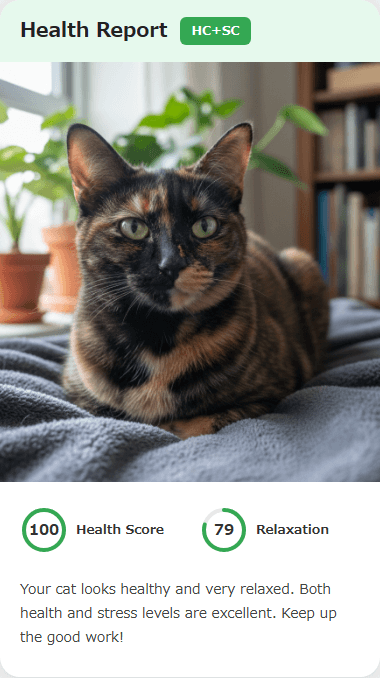

Worried about these symptoms?
Don't wait and wonder. CatsMe's AI analyzes your cat's photo to flag health concerns in seconds.
يستخدمه أكثر من 380,000 مالك قطط في 50 دولة


Common Causes of Eye Discharge in Cats
Understanding the cause guides both urgency and treatment.
Viral infections (cat flu). Feline herpesvirus (FHV-1) is the leading cause of eye discharge in cats. It produces watery to mucoid discharge, redness, squinting, and often accompanies sneezing and nasal discharge. Calicivirus can also cause eye inflammation, though less commonly. Secondary bacterial infection turns the discharge thick and yellow-green.
Conjunctivitis. Inflammation of the conjunctiva (the pink tissue lining the eyelids) makes the eye appear red and swollen. Causes include viral infection, bacterial infection, Chlamydophila felis, and allergic reactions.
Corneal ulcer. A scratch or wound on the surface of the cornea — sometimes caused by a cat fight, a sharp object, or FHV-1 — is extremely painful. The affected cat typically squints or holds one eye shut, and tearing or discharge increases. Corneal ulcers can worsen quickly and may lead to vision loss if untreated.
Allergies. Environmental irritants — dust, pollen, cigarette smoke, air fresheners — can trigger clear, watery discharge and mild redness. Unlike infectious causes, allergic eye discharge is usually bilateral and not accompanied by fever.
Nasolacrimal duct obstruction. The tear drainage duct that runs from the inner corner of the eye to the nose can become blocked, causing tears and discharge to overflow down the face. This is especially common in brachycephalic breeds.
Home Care & When You Can Wait
If the discharge is mild — a small amount of clear or slightly brownish crust — and your cat's eye is not red, swollen, or squinting, you can manage the situation at home while monitoring for changes.
1. Clean gently with warm water. Dampen a clean, soft gauze pad or cotton ball with lukewarm water (never use soap or antiseptic). Wipe from the inner corner of the eye outward, following the natural direction of tear flow.
2. Use a fresh pad for each eye. If one eye is infected, using the same cloth on both can spread the problem. Always start with the cleaner-looking eye first.
3. Soften dried discharge before removing. Do not pick at crusty buildup — it can pull delicate skin and cause pain. Hold a warm, damp cloth against the area for 30 seconds to soften, then wipe gently.
4. Never use human eye drops. Over-the-counter human eye drops often contain ingredients (decongestants, preservatives) that are irritating or toxic to cats. Prescription feline eye medication should only be used under veterinary direction.
5. Monitor closely for 24–48 hours. If the discharge clears up with home care, no vet visit is needed. If it worsens, changes color, or the eye becomes swollen or stays shut, escalate to a professional consultation.
When to See the Vet: Red Flags
Do not wait if you notice any of these warning signs:
- Yellow or green discharge — almost certainly indicates bacterial involvement requiring antibiotic eye drops.
- Red, swollen eyelids or conjunctiva — signs of conjunctivitis that needs treatment.
- Squinting or holding one eye shut — suggests pain, often from a corneal ulcer. This can deteriorate within hours.
- Pawing at the eye — your cat is trying to relieve discomfort. Continued rubbing can worsen the injury.
- Sneezing and nasal discharge alongside the eye symptoms — points to cat flu, which may need antiviral and supportive treatment.
- Eye discharge persisting beyond three days, even if mild.
- Any sign of vision loss — bumping into furniture, misjudging jumps, or dilated pupils that do not respond to light.
A close-up photo of the affected eye is one of the most useful things you can share during a Carelogy online consultation. Good lighting and a clear shot of the discharge color and eye redness help the vet assess the situation accurately from a distance.
What the Vet Will Do: Tests, Diagnosis & Costs
Here is what happens when you bring a cat with eye discharge to the vet.
Ophthalmic exam (¥3,000–¥8,000 / $25–$65). A thorough eye exam includes: a Schirmer tear test (measures tear production — low output suggests dry eye), fluorescein staining (a dye that highlights corneal scratches and ulcers under blue light), tonometry (measures intraocular pressure to screen for glaucoma), and fundoscopy (examination of the back of the eye).
PCR testing (¥5,000–¥10,000 / $40–$80). A swab of the discharge is tested for feline herpesvirus, Chlamydophila felis, and Mycoplasma — the three most common infectious causes.
Blood work (¥5,000–¥15,000 / $40–$120). If chronic or recurrent eye problems are present, FIV/FeLV testing and a general health panel help identify underlying immunosuppression.
Bacterial culture (¥5,000–¥10,000 / $40–$80). When bacterial infection is suspected and is not responding to first-line antibiotics, a culture identifies the specific bacterium and its antibiotic sensitivities.
A straightforward case of conjunctivitis treated with prescription eye drops typically costs ¥3,000–¥10,000. More complex cases involving corneal ulcers, chronic herpesvirus, or extensive diagnostics may reach ¥20,000–¥50,000.
Age & Breed Considerations: Kittens, Adults & Flat-Faced Breeds
Eye-discharge patterns and risks differ by age and breed.
Kittens (under 1 year)
Cat flu is the overwhelmingly dominant cause. Severe herpesvirus conjunctivitis in kittens can lead to symblepharon — adhesion of the eyelid to the eyeball — causing permanent damage. Neonatal kittens infected before their eyes open (around 10–14 days) are at risk of blindness. Timely vaccination and a clean living environment are the best defenses.
Adult cats (1–6 years)
Allergic conjunctivitis becomes more common in this group. Cats that carry latent FHV-1 may experience intermittent flare-ups of watery or mucoid discharge during stress. Outdoor cats are at risk of corneal injuries from fights with other cats.
Senior cats (7+ years)
Dry eye (keratoconjunctivitis sicca) becomes a consideration as tear production declines. Persistent one-sided discharge in an older cat should raise suspicion of an orbital or eyelid tumor. Hypertension secondary to kidney disease or hyperthyroidism can cause retinal hemorrhage and detachment — a sudden change in pupil size or apparent vision loss warrants emergency care.
Brachycephalic breeds (Persians, Exotic Shorthairs, Himalayans)
Their flat faces, shallow eye sockets, and narrow nasolacrimal ducts make efficient tear drainage nearly impossible. Chronic overflow tearing (epiphora) stains the fur and, if left uncleaned, the moisture can cause skin fold dermatitis. Daily face cleaning is not optional for these breeds — it is essential hygiene.
Prevention & Long-Term Eye Health Management
Protecting your cat's eyes is a combination of daily vigilance, environmental control, and preventive veterinary care.
Daily eye care
- Check your cat's eyes every day for discharge, redness, or squinting. Catching a change on day one — rather than day five — makes treatment simpler and outcomes better.
- For brachycephalic breeds, daily wiping of the eye area with a warm, damp gauze pad is essential to prevent tear staining and secondary skin infection.
- Use the CatsMe app's facial-analysis AI, which can detect asymmetric squinting and subtle changes in the eye area that signal emerging discomfort.
Environmental management
- Minimize airborne allergens: vacuum regularly, use HEPA air purifiers, and keep windows closed during high-pollen seasons.
- Avoid exposing your cat to cigarette smoke, aerosol sprays, scented candles, and harsh cleaning chemicals — all are common irritants.
Infection prevention
- Keep core vaccinations (FHV-1, FCV) up to date. While vaccination does not prevent all infections, it dramatically reduces severity.
- In multi-cat households, do not share food or water bowls, and isolate any cat showing respiratory or eye symptoms.
- For cats with recurrent herpesvirus flare-ups, your vet may recommend L-lysine supplementation or famciclovir antiviral therapy during high-stress periods.
Regular veterinary eye exams
- Annual ophthalmic checks are recommended for all cats; twice yearly for seniors and breeds predisposed to eye problems.
- Cats with a history of herpesvirus eye disease or corneal ulcers benefit from periodic fluorescein staining to catch recurrences early.
Eye problems in cats can escalate from mild irritation to vision-threatening damage in a matter of days. The earlier you act, the better the outcome.
هل تستطيع الإجابة عن سؤال "متى بدأ هذا؟"
عندما يسألك الطبيب البيطري، لا تبقَ بلا إجابة. CatsMe يسجّل تلقائيًا نقاط الصحة اليومية ويمكنك مشاركتها بلمسة واحدة.
目やに目の病気結膜炎猫風邪
Related Symptoms
FAQ
 CatsMe
كن مستعدًا للتصرف لحظة شعورك بأن شيئًا ليس على ما يرام
التقط صورة واحدة، ويقرأ الذكاء الاصطناعي علامات الألم والحالة الصحية من تعابير قطتك. تحقّق في اللحظة التي تقلق فيها، وشارك السجل مع طبيبك البيطري.