

What Is Feline Upper Respiratory Infection?
Upper respiratory infection (URI) — commonly called "cat flu" — is a respiratory infection in cats. The primary culprits are feline herpesvirus (FHV-1) and feline calicivirus (FCV), which together account for roughly 80-90% of cases. Bacterial pathogens like Chlamydia and Bordetella can also be involved.
Transmission occurs through sneeze and nasal discharge droplets, direct contact, or sharing contaminated food bowls and litter boxes. Multi-cat households and shelters carry especially high infection risk.
Kittens, senior cats, and immunocompromised cats are prone to severe illness, and untreated URIs can progress to pneumonia. If your cat has persistent sneezing or a runny nose, consult a veterinarian promptly.
Once a cat contracts feline herpesvirus, the virus remains dormant in the body and can reactivate during stress or illness, causing symptoms to flare up again. This makes complete eradication difficult in many cases.
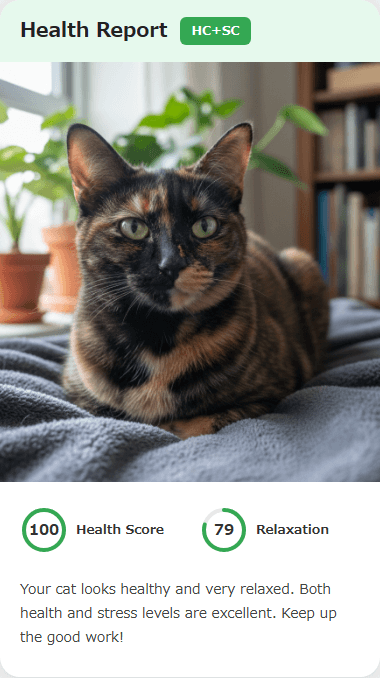

Worried about these symptoms?
Don't wait and wonder. CatsMe's AI analyzes your cat's photo to flag health concerns in seconds.
يستخدمه أكثر من 380,000 مالك قطط في 50 دولة


Symptoms & Gauging Severity
Mild Symptoms
- Sneezing
- Clear nasal discharge
- Mild eye discharge
- Slightly reduced appetite
Moderate to Severe Symptoms
- Yellow or green purulent nasal discharge
- Conjunctivitis or corneal ulcers (red eyes, inability to open eyes)
- Fever (above 39.5°C / 103°F)
- Loss of appetite and lethargy
- Oral ulcers (more common with calicivirus)
- Dehydration
Urgent Warning Signs
- Difficulty breathing (open-mouth breathing)
- Symptoms that haven't improved in 5+ days
- Kittens refusing food for 2+ days
When a cat's nose is congested, they lose their sense of smell and appetite drops dramatically. Kittens are especially vulnerable to dehydration and low blood sugar, so early veterinary attention is critical. Keep up with eye discharge care alongside treatment.
Treatment & Prevention
Treatment
There is no specific cure for viral cat flu — treatment centers on supportive care.
- Antibiotics: To treat or prevent secondary bacterial infections
- Eye drops: For conjunctivitis or corneal ulcers
- Nebulizer therapy: Steam inhalation to relieve nasal congestion
- Fluid therapy: Subcutaneous fluids if the cat is dehydrated
- Nutritional support: Warmed wet food or nutritional supplements to stimulate appetite
- Antivirals: Famciclovir may be considered in severe cases
At home, gently wipe around your cat's nose with a warm damp cloth to ease breathing. Running a humidifier also helps.
Prevention
Vaccination is the most important preventive measure. The core FVRCP vaccine covers both herpesvirus and calicivirus. While vaccines don't guarantee 100% protection, they dramatically reduce the severity of illness. In multi-cat homes, isolating infected cats, using separate food bowls and litter boxes, and diligent hand hygiene are essential.
Practical Home Nursing Care Guide
Most cases of cat flu recover well with attentive home care, but knowing the right techniques makes a meaningful difference in your cat's comfort and recovery speed.
Managing Nasal Congestion
A congested nose eliminates the sense of smell and causes appetite to plummet. Wipe around the nostrils with a warm, damp gauze pad three to four times daily. Steam therapy — sitting with your cat in a closed bathroom while a hot shower runs for five to ten minutes — also helps loosen mucus and ease breathing.
Encouraging Eating
Warm wet food in the microwave for about ten seconds to release aromas that stimulate appetite. A small topping of tuna or chicken broth can make food more enticing. Choose high-moisture foods to help prevent dehydration during illness.
Eye Care
When eye discharge is heavy, use a warm, moist cotton ball to gently wipe from the outer corner inward. If discharge has crusted shut, do not force the eyes open — soften the crust with a warm compress and consult your vet if it does not come away easily.
Isolation and Hygiene in Multi-Cat Homes
Confine the sick cat to a separate room. Wash your hands and change clothes before and after handling the infected cat to prevent spreading the virus to housemates. Provide individual food bowls and litter boxes, and disinfect them regularly with a dilute bleach solution.
Recovery Timeline
Mild cases typically show improvement within seven to ten days. If symptoms persist beyond ten days, schedule a follow-up veterinary appointment to reassess the treatment plan.
Expert Analysis: Long-Term URI Management & Relapse Prevention
Feline herpesvirus (FHV-1) establishes lifelong latent infection in the trigeminal nerve ganglia and cannot be completely eliminated from the body. Long-term management therefore focuses on minimizing the frequency and severity of reactivation episodes.
Stress Management Is Key
The most significant trigger for FHV-1 reactivation is stress. Environmental changes, moving house, introducing a new pet, or prolonged owner absence can all precipitate a flare-up. Using Feliway synthetic pheromone diffusers and maintaining a stable daily routine are effective stress-reduction strategies.
Supporting the Immune System
A balanced diet, regular exercise, and a comfortable sleeping environment all contribute to robust immune function. Senior cats and those with concurrent chronic conditions are particularly susceptible to immune decline and carry a higher relapse risk.
The Current Status of L-Lysine Supplementation
L-lysine supplementation was long recommended for FHV-1 management, but recent studies have cast doubt on its efficacy. Some research even suggests it may not benefit — and could potentially worsen — outcomes. Discuss the latest evidence with your veterinarian before adding lysine to your cat's regimen.
Booster Vaccinations
Keeping up with core vaccine boosters on the schedule recommended by your vet helps reduce the severity of illness should reactivation occur. While boosters do not prevent latent infection from reactivating, they prime the immune system to mount a faster, stronger response.
When to Seek Professional Help
While most cases of cat flu resolve without complications, delayed treatment can lead to life-threatening outcomes. In the following situations, do not hesitate to visit the veterinarian.
Emergency Warning Signs
Open-mouth breathing indicates respiratory distress and demands immediate veterinary attention. Other red flags include refusal to eat for more than twenty-four hours (twelve hours for kittens), eyes swollen completely shut, persistent high fever above 40 degrees Celsius, and collapse or inability to stand.
Kittens Require Extra Vigilance
Kittens under eight weeks have an immature immune system and can deteriorate rapidly. Cat flu in very young kittens can progress to pneumonia within days. Even mild symptoms in a kitten warrant an early veterinary visit rather than a wait-and-see approach.
Managing Chronic Cases
When nasal discharge and sneezing persist for months, chronic rhinitis driven by persistent herpesvirus infection or secondary bacterial colonization is the likely culprit. Advanced diagnostics such as CT imaging and nasal endoscopy may be necessary to evaluate the extent of damage and guide targeted treatment.
Preventing Transmission to Other Cats
A cat diagnosed with URI should be isolated from housemates for approximately two to three weeks. Viral shedding can continue even after visible symptoms have resolved, so follow your veterinarian's guidance on when it is safe to reintroduce the recovered cat to the household.
Resources & Further Reading
Expand your knowledge of feline upper respiratory infections with the following resources and related reading.
Related Carelogy Articles
The cat sneezing guide covers differential diagnosis when sneezing will not stop. The cat runny nose article explains what different discharge colors — clear, yellow, green — mean for your cat's health. For vaccine scheduling, review the cat vaccination guide to understand core and non-core vaccine options. During illness, managing hydration is critical, and the cat dehydration guide provides practical advice.
Useful Knowledge
Cat flu viruses can survive in the environment for up to twenty-four hours. Disinfecting food bowls and litter boxes used by an infected cat with a dilute sodium hypochlorite solution (household bleach at a 1:32 ratio) is highly effective. Standard alcohol-based sanitizers have limited efficacy against these particular viruses.
Prevention Priority List
The most impactful preventive measures, ranked by importance, are vaccination (the single most effective step), stress minimization through environmental enrichment and routine stability, rigorous hygiene in multi-cat environments, enforcing a quarantine period when introducing new cats, and scheduling regular wellness exams to catch early signs of immune compromise before they lead to clinical illness.
هل تستطيع الإجابة عن سؤال "متى بدأ هذا؟"
عندما يسألك الطبيب البيطري، لا تبقَ بلا إجابة. CatsMe يسجّل تلقائيًا نقاط الصحة اليومية ويمكنك مشاركتها بلمسة واحدة.
猫風邪上部気道感染症くしゃみ鼻水ヘルペスウイルス
FAQ
 CatsMe
كن مستعدًا للتصرف لحظة شعورك بأن شيئًا ليس على ما يرام
التقط صورة واحدة، ويقرأ الذكاء الاصطناعي علامات الألم والحالة الصحية من تعابير قطتك. تحقّق في اللحظة التي تقلق فيها، وشارك السجل مع طبيبك البيطري.