

The Bottom Line: FIP Is No Longer a Death Sentence
Feline Infectious Peritonitis (FIP) was once considered universally fatal, but that is changing fast. The antiviral drug GS-441524 has made successful treatment a real possibility, with remission rates exceeding 80% in some studies. The key is catching it early — the sooner treatment begins after onset, the higher the chance of remission. FIP predominantly strikes young cats under 2 years old, and multi-cat households face elevated risk due to the higher prevalence of feline coronavirus in those environments.
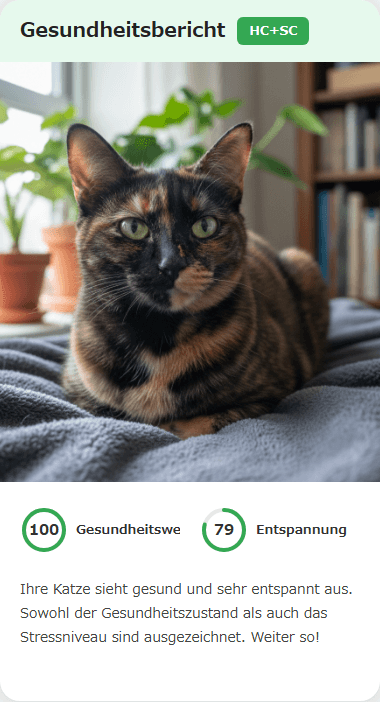

Machen Ihnen diese Symptome Sorgen?
Warten Sie nicht ab. Die KI von CatsMe analysiert das Foto Ihrer Katze und erkennt gesundheitliche Auffälligkeiten in Sekunden.
Über 380.000 Katzenbesitzer in 50 Ländern vertrauen CatsMe


The Two Forms of FIP and Their Symptoms
Wet (effusive) FIP: Fluid accumulates in the abdomen or chest cavity. Classic signs include a distended belly, labored breathing, loss of appetite, and persistent fever. This form tends to progress rapidly.
Dry (non-effusive) FIP: Granulomas form on internal organs. Symptoms vary depending on which organs are affected and may include eye inflammation (uveitis), neurological signs like wobbliness or seizures, and enlarged liver or kidneys. Dry FIP is harder to diagnose and progresses more slowly.
Both forms share common red flags: a persistent fever that does not respond to antibiotics, weight loss, and lethargy. If your cat has an unexplained, lingering fever, FIP should be on the list of possibilities to investigate.
What Causes FIP and How It Spreads
FIP develops when the feline coronavirus (FCoV) mutates inside an individual cat's body. FCoV itself is extremely common — in multi-cat households, 80–90% of cats carry it — and usually causes nothing more than mild diarrhea. However, in roughly 5–10% of infected cats, the virus mutates into the form that triggers FIP.
How it spreads: FCoV is transmitted primarily through feces. Shared litter boxes are the main risk factor in multi-cat homes.
Cats at highest risk: Kittens and young cats under 2, purebred cats, cats living in crowded multi-cat environments, and cats under significant stress. Understanding these risk factors can help you take preventive steps.
Latest Treatments: GS-441524 and Molnupiravir
GS-441524: A metabolite of remdesivir, this antiviral blocks the FIP virus from replicating its RNA. An 84-day oral course has achieved remission rates above 80% in published studies. Regulatory approval as a veterinary drug is progressing in several countries.
Molnupiravir: Originally developed for COVID-19 in humans, molnupiravir has shown promising results against FIP as well. It is gaining attention as a more affordable alternative to GS-441524.
Cost: An 84-day treatment course typically runs $1,500–$6,000 (¥200,000–800,000), depending on the cat's weight and which drug is used. The price tag is steep, but compared to the era when FIP was considered untreatable, these drugs represent a remarkable breakthrough.
Prevention and Early Detection Tips
There is no guaranteed way to prevent FIP, but you can meaningfully reduce the risk:
- Keep litter boxes scrupulously clean (one per cat plus one extra, scooped daily)
- Avoid overcrowding in multi-cat households
- Minimize stress (learn to recognize signs of stress in cats)
- Watch young cats closely for persistent low-grade fevers or appetite loss
The most effective tool for early detection is regular health monitoring. Use the CatsMe app to log your cat's daily condition and spot subtle changes before they become serious. The earlier FIP is caught, the better the treatment outcomes.
Early Detection: Warning Signs of FIP That Are Easily Overlooked
The earliest symptoms of FIP are frustratingly vague, overlapping with dozens of other conditions — which is exactly why the disease is so often missed until it has progressed.
The very first signs to watch for include:
- A persistent low-grade fever (above 103.1 degrees F / 39.5 degrees C for several days) that does not respond well to standard fever-reducing medications
- Subtle lethargy: The cat stops playing, no longer jumps to high perches, or just seems "less themselves"
- A gradual taper in appetite: Not a sudden refusal to eat, but a slow, creeping decline in food intake over days to weeks
- Failure to gain weight — especially concerning in kittens that should be growing rapidly
Early clues for the wet (effusive) form: The abdomen slowly expands with fluid. Owners sometimes mistake this for simple weight gain before realizing the belly feels disproportionately full compared to the rest of the body.
Early clues for the dry (non-effusive) form: Changes in eye color or cloudiness (uveitis), subtle wobbliness or unsteady gait (neurological involvement), or unexplained seizures.
If a young cat — particularly one under two years old — runs a fever for three or more days with no clear explanation, FIP should be part of the conversation with your veterinarian. Persistent lethargy in cats is another signal that warrants a thorough workup, including FIP-specific bloodwork. The earlier antiviral treatment begins, the higher the likelihood of achieving remission.
The Reality of FIP Treatment: Costs, Timeline & What to Expect
FIP treatment has come remarkably far, but the financial and time commitment involved is something every owner should understand clearly before starting.
Treatment duration: The standard antiviral protocol spans 84 days (12 weeks). Stopping early — even if the cat looks fully recovered — significantly increases the risk of relapse. Consistency through the full course is non-negotiable.
Cost breakdown:
- Medication: $350 to $1,500 per month, depending on the cat's weight and which drug is used
- Regular blood monitoring: $40 to $80 per month
- Initial diagnostic workup (to confirm FIP): $150 to $400
- Realistic total: $1,500 to $6,000 for the full 84-day course
What monitoring looks like during treatment:
- Blood tests every two weeks to track improvements in globulin levels and the albumin-to-globulin (A/G) ratio
- Daily logging of weight and appetite at home
- For wet FIP, tracking the reduction of abdominal fluid through ultrasound or physical examination
Post-treatment observation: After the 84-day course ends, a three-month observation period follows. If there is no relapse during this window, the cat is considered to be in remission — a milestone that was unthinkable just a few years ago.
If cost is a barrier, check whether your pet insurance policy covers antiviral FIP treatment, and consider crowdfunding platforms that specifically support veterinary care. Many owners have successfully funded treatment through community support.
Living with a Cat Diagnosed with FIP: Daily Management Tips
During FIP treatment, two things matter above all else: keeping your cat comfortable and ensuring every dose of medication is given on schedule.
Medication tips:
- Administer the oral drug at the same time every day, ideally 12 hours apart for twice-daily dosing
- If your cat finds the medication bitter, try hiding it inside a pill pocket or an empty gelatin capsule
- Follow each dose with a small treat to build a positive association
Nutritional support:
- Offer high-calorie, high-protein food to support weight regain and immune recovery
- If appetite is sluggish, warm wet food slightly in the microwave to release more aroma — this can make a significant difference
- Our cat food guide has additional tips for encouraging reluctant eaters
Stress reduction:
- Provide a quiet, safe resting area away from household traffic
- In multi-cat homes, give the treated cat its own dedicated space where it can recover undisturbed
- Keep an eye out for signs of stress and address them promptly
Multi-cat household considerations: FIP itself does not spread directly between cats, but the underlying feline coronavirus (FCoV) does. Minimize risk by maintaining rigorous litter box hygiene — one box per cat plus one extra, scooped at least once daily — and reducing overall stress levels in the household.
Using the CatsMe app to log daily weight, appetite scores, and medication administration creates a clear timeline that you can share with your veterinarian at each follow-up appointment, making treatment adjustments faster and more precise.
Könnten Sie beantworten: ‚Seit wann geht es ihr so?'
Wenn der Tierarzt fragt, sollten Sie nicht raten müssen. CatsMe protokolliert automatisch tägliche Gesundheitswerte, die Sie mit einem Fingertipp teilen können.
FIP猫伝染性腹膜炎コロナウイルス腹水猫の病気
FAQ
References
This article is compiled and summarized by the Carelogy editorial team based on publicly available information from the following veterinary organizations, universities, and clinical manuals.
- American Association of Feline Practitioners (AAFP). AAFP Position Statement on FIP Treatment (2024).
- UC Davis Veterinary Medicine — Center for Companion Animal Health. FIP Research and Treatment Updates (Pedersen Lab) (2024).
- Cornell Feline Health Center. Feline Infectious Peritonitis (FIP) — Feline Health Topics (2023).
- Pedersen NC, et al. (Journal of Feline Medicine and Surgery). Efficacy and safety of GS-441524 in the treatment of cats with naturally occurring FIP (2019).
 CatsMe
Seien Sie vorbereitet, wenn Ihnen etwas auffällt
Ein Foto genügt: Die KI liest Schmerz und Zustand am Gesichtsausdruck Ihrer Katze ab. Prüfen Sie im Moment der Sorge und teilen Sie die Aufzeichnung mit Ihrer Tierarztpraxis.