

Key Takeaway: Sudden Belly Swelling Is Unlikely to Be Obesity — Suspect Disease
When a cat's belly is visibly enlarged, the urgency depends entirely on whether it swelled suddenly (days to weeks) or gradually over months.
Acute (days to weeks) → High urgency:
- Ascites from FIP (Feline Infectious Peritonitis)
- Fluid from heart disease
- Internal tumor hemorrhage
- Bladder distension from urinary blockage
- Pyometra (unspayed female cats)
Chronic (months) → Less urgent but needs vet visit:
- Obesity
- Pregnancy
- Megacolon (severe constipation)
- Heavy parasite infestation (especially kittens)
Quick home check:
- Gently flick one side of the belly → if you feel a wave transmitted to the other side (fluid wave), ascites is likely
- Fat feels soft and squishy; ascites feels taut
- Thin body with only the belly enlarged → classic ascites pattern
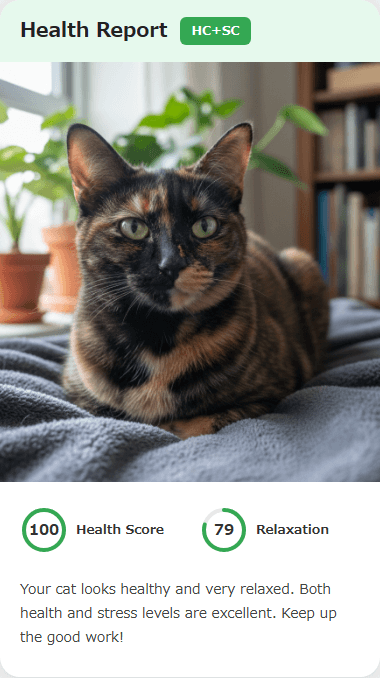

Worried about these symptoms?
You just read the warning signs — now is the moment to start watching daily.
Don't wait and wonder. CatsMe's AI analyzes your cat's photo to flag health concerns in seconds.
Used by 380,000+ cat owners in 50 countries


Causes of Ascites & Dangerous Conditions
Ascites (fluid accumulation in the abdomen) is a sign of several serious conditions.
FIP (Feline Infectious Peritonitis):
- Common in young cats (under 2 years)
- "Pear-shaped" body (belly only)
- Fever, lethargy, decreased appetite
- Was nearly 100% fatal but new drugs (GS-441524, etc.) are becoming available
- Fluid color: clear to yellow, viscous
Heart disease (HCM, etc.):
- Right-sided heart failure causes abdominal fluid
- Often accompanied by breathing difficulty
- More common in middle-aged and older cats
Liver disease:
- Low albumin from liver disease
- Ascites + jaundice strongly suggests liver involvement
Tumors:
- Abdominal lymphoma, liver tumors, etc.
- More common in senior cats
- Rapid swelling may indicate tumor hemorrhage
Checklist: Telling Ascites from Obesity
Dismissing a cat's enlarged belly as "just weight gain" can be dangerous. Use this checklist:
Signs suggesting ascites:
- ☐ Belly enlarged suddenly over days to weeks
- ☐ Rest of body (back, legs) is thin
- ☐ Belly feels hard or taut when touched
- ☐ Decreased appetite
- ☐ Lethargic, inactive
- ☐ Rapid or labored breathing
- ☐ Flicking one side transmits a wave to the other side
Signs of obesity:
- ☐ Gradual weight gain over months
- ☐ Fat distributed across entire body
- ☐ No waistline when viewed from above
- ☐ Ribs hard to feel through fat
- ☐ Normal appetite and energy
If 3+ ascites signs apply, see a vet immediately.
Use CatsMe's weight tracking to detect sudden changes (fluid-related gain) early.
Veterinary Diagnosis & Treatment
Diagnostic workup for abdominal distension:
| Test | Purpose | Cost |
|------|---------|------|
| Abdominal palpation | Check for firmness, fluid wave | Included in exam |
| Abdominal ultrasound | Detect fluid, organ abnormalities | ¥3,000-10,000 |
| Abdominal X-ray | Organ size, foreign bodies | ¥3,000-8,000 |
| Blood work | Liver/kidney function, protein levels | ¥5,000-15,000 |
| Abdominocentesis | Analyze fluid properties (key for FIP diagnosis) | ¥5,000-15,000 |
| FIP virus testing | FCoV antibody titer, PCR | ¥5,000-10,000 |
Treatment depends on the cause:
- FIP: Antiviral drugs like GS-441524 (84-day course). Expensive but potentially curative
- Heart disease: Diuretics + cardiac medications to control fluid
- Tumors: Surgery/chemotherapy depending on type and stage
- Infection: Antibiotic therapy
Symptomatic fluid management:
- Diuretics (furosemide, etc.) to remove fluid
- Large volumes drained by abdominocentesis (temporary)
- Albumin infusion for low albumin levels
Home Care & Practical Tips for Cats with Abdominal Swelling
Once the cause of abdominal swelling has been identified and treatment initiated, home care plays a vital role in recovery and ongoing symptom management.
Home management for cats with ascites (fluid accumulation):
- Positioning in a lateral (side-lying) position may make breathing easier for cats with significant abdominal fluid
- Use elevated food and water bowls to avoid compressing the swollen abdomen during eating and drinking
- When placing the cat in a carrier, take care not to press on the abdomen — use a top-loading carrier if available
- Continue all medications (diuretics, etc.) exactly as prescribed — never discontinue without veterinary instruction
- Monitor the balance between water intake and urine output, as changes can indicate treatment effectiveness or worsening fluid accumulation
Caring for cats undergoing FIP treatment:
- Antiviral medications like GS-441524 require a sustained 84-day treatment course — consistent daily medication schedule management is critical for success
- Until appetite recovers, offer high-calorie wet food in small, frequent meals to maintain nutrition and energy
- Measure body weight and abdominal girth weekly and record in CatsMe to track treatment response objectively
- Be mindful of FCoV transmission risk to other cats in the household — maintain strict litter box hygiene
Urgency assessment guide by symptom combination:
| Symptoms | Suspected cause | Urgency |
|----------|----------------|---------|
| Swollen belly + fever + young cat | FIP | Same-day vet visit |
| Swollen belly + breathing difficulty | Pleural/abdominal effusion | Same-day vet visit |
| Swollen belly + vomiting + no appetite | Peritonitis/obstruction | Emergency |
| Gradual belly enlargement + otherwise well | Obesity | Planned vet visit |
| Hard belly + pain response | Tumor/foreign body | Same-day vet visit |
Dietary management considerations:
- If obesity is the cause, develop a weight management plan with your veterinarian
- For heart disease with ascites, sodium-restricted diets may be recommended
- During FIP recovery, prioritize high-protein, high-calorie feeding to restore body condition
Age-Specific Causes of Abdominal Swelling
The causes of abdominal swelling differ dramatically by age. Knowing which conditions are most likely at your cat's current life stage helps you make faster, better-informed decisions about when to seek veterinary care.
Kittens (0-1 year):
- Most common cause: roundworm infection. The characteristic "pear shape" — distended belly with thin limbs — is a hallmark finding in parasitized kittens
- FIP is also common at this age, particularly between 6 months and 2 years
- Rescued kittens frequently present with a combination of parasitic infection and malnutrition
- Rare congenital organ abnormalities such as portosystemic shunts can cause abdominal distension
- Action: Start with a fecal examination. If fever is present, investigate FIP as well
Adult cats (1-7 years):
- Obesity (especially post-spay/neuter weight gain) is the most common explanation for gradual belly enlargement
- FIP most frequently strikes cats aged 1-5 years
- Female cats: pyometra (uterine infection) if not spayed
- Severe constipation can cause noticeable abdominal distension
- Action: Determine whether swelling appeared suddenly or gradually. Sudden onset warrants immediate veterinary attention
Senior cats (7+ years):
- Tumor risk is highest in this age group — abdominal masses are frequently discovered during physical palpation
- Cardiac disease causing ascites and pleural effusion
- Liver disease (cirrhosis, cholangitis) leading to fluid accumulation
- End-stage chronic kidney disease with associated ascites
- Action: Any unexplained abdominal distension in a senior cat requires veterinary investigation without delay
Breed-specific risks to be aware of:
- Maine Coon and Ragdoll: elevated risk of cardiac disease leading to fluid accumulation
- Persian: polycystic kidney disease (PKD) can cause progressive abdominal enlargement
- Domestic shorthairs (including rescued cats): slightly higher FIP incidence
Use CatsMe for age-appropriate health monitoring and track daily weight, appetite, and activity changes.
Prevention & Early Detection Tips
Habits for early detection of belly swelling:
- Weekly weigh-ins: Sudden weight gain signals fluid. Track trends with CatsMe's weight log
- Regular belly palpation: When petting, notice firmness and size
- Side view check: Regularly assess belly profile from the side
- Photo records: Monthly side-view photos for comparison
FIP prevention:
- Reduce stress in multi-cat homes
- Maintain clean litter box environment
- FIP vaccines are not common in Japan but used in some countries
Heart disease early detection:
- Annual health checkups with auscultation
- High-risk breeds (Maine Coon, Ragdoll, Persian) should get cardiac ultrasound
Catch daily changes with CatsMe: AI health checks analyze body shape changes too. Don't miss the "something's different" signs — connect early detection to early vet visits.
Caught something concerning? Keep a record.
If these symptoms return, a record helps your vet act faster. CatsMe logs your cat’s daily health score so you can show exactly what changed — and when.
お腹腹部膨満腹水FIP腫瘍肥満緊急
FAQ
References
This article is compiled and summarized by the Carelogy editorial team based on publicly available information from the following veterinary organizations, universities, and clinical manuals.
- Cornell Feline Health Center. Feline Infectious Peritonitis (FIP) — Feline Health Topics (2023).
- MSD Veterinary Manual. Disorders of the Stomach and Intestines in Cats (2023).
- Veterinary Cancer Society. Feline Lymphoma — Cancer Information (2023).
- AAFP. AAFP Position Statement on FIP and Effusive Disease (2024).
 CatsMe
Be ready the moment you sense something's off
Take one photo and the AI reads pain and condition from your cat's expression. Check the moment you wonder, and share the record with your vet.