

Do Cats Get Separation Anxiety? Signs to Watch For
Separation anxiety is often associated with dogs, but cats experience it too. Studies suggest that roughly 13-20% of pet cats display behaviors linked to separation anxiety.
Cats may have a reputation for independence, but those with strong bonds to their owners can become genuinely distressed when left alone. Watch for the following signs.
Key Signs
- Excessive vocalization before or after the owner leaves (persistent loud meowing)
- Inappropriate elimination during absences (urinating outside the litter box)
- Destructive behavior (scratching furniture, knocking things over)
- Extreme excitement when the owner returns
- Over-grooming leading to hair loss
- Loss of appetite only when the owner is away
- Shadowing the owner constantly around the house
- Restlessness when the owner begins preparing to leave
Because these symptoms can also stem from medical conditions, a veterinary checkup to rule out physical causes is an important first step.
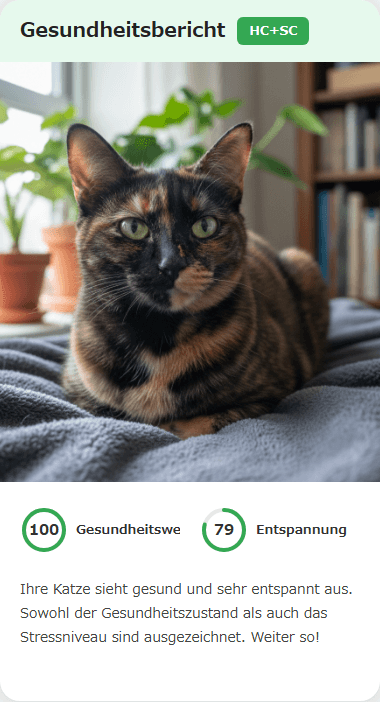

Der tägliche Begleiter Ihrer Katze
Pflegeerinnerungen, Gewichtsverlauf und Gesundheitsroutinen — CatsMe vereint alles in einer App.
Über 380.000 Katzenbesitzer in 50 Ländern vertrauen CatsMe


Causes & Risk Factors
Separation anxiety often involves multiple interacting factors, and understanding the root causes is the first step toward improvement.
Environmental Factors
- Sudden lifestyle changes: Transitioning from working at home to returning to the office, a family member moving away
- Moving house: Adapting to an unfamiliar environment
- Changes in household composition: A new pet or baby, or the departure of a family member
Individual Traits
- Early-weaned cats: Kittens separated from their mother or littermates before 8 weeks old
- Single-cat households: When the owner is the cat's only social partner
- Rescued cats: Cats with a history of abandonment or abuse
- Certain breeds: Siamese, Burmese, and Orientals are reported more frequently
Co-existing Issues
- Chronic stress
- Insufficient environmental enrichment
- Underlying medical conditions (such as hyperthyroidism) that can amplify anxious behavior
Because the causes are often multifactorial, combining environmental modification, behavioral training, and in some cases medical intervention tends to be the most effective approach.
Steps to Improve Separation Anxiety
Step 1: Environmental Enrichment
Enriching your cat's environment while you are away is fundamental.
- Place a cat tree by a window so your cat can watch the outdoors
- Use puzzle feeders to combat boredom
- Provide multiple hiding spots (cardboard houses, shelves draped with fabric)
- Leave clothing with your scent on your cat's bed
Step 2: Gradual Departure Training
- Start with short absences and slowly extend the duration
- Offer a special treat or puzzle toy before leaving
- Keep departures and arrivals low-key (slip in and out quietly)
Step 3: Establish a Routine
- Feed and play with your cat at consistent times to build a sense of security
- Schedule 15-20 minutes of play before you leave
Step 4: Supplementary Measures
- Try Feliway (a synthetic pheromone diffuser)
- Leave soft background music or a TV on at low volume
- For severe cases, discuss anti-anxiety medication with your vet
Step 5: Consider a Second Cat
Multi-cat living can help in some cases, but compatibility issues require careful consideration.
Practical Tips & Techniques for Managing Separation Anxiety
Beyond the foundational steps, several specific techniques can accelerate improvement when applied consistently in everyday life.
Desensitize Departure Cues
Cats quickly learn the patterns that precede your departure — picking up keys, putting on shoes, grabbing a bag — and anxiety spikes the moment those cues appear. Break the association by performing these actions randomly when you are not actually leaving. Pick up your keys and sit down to watch TV. Put on shoes and walk around the house. Over time, the cues lose their predictive power and your cat remains calmer.
Use Background Sound
Playing low-volume classical music or cat-specific relaxation tracks during absences reduces the stark silence that some cats find unsettling. Avoid sudden loud noises or talk radio with unpredictable volume changes. A steady, soothing soundscape is most effective.
Rotate Enrichment Toys
A single puzzle feeder loses its appeal after a few days. Keep three or four different puzzle toys on hand and rotate them so the cat encounters a fresh challenge each day. Creative play strategies contribute meaningfully to reducing separation-related anxiety.
Manage Your Return
When you walk through the door and your cat is meowing frantically, resist the impulse to scoop it up or shower it with attention immediately. Enter the room calmly and wait until the cat settles before offering affection. This teaches the cat that calm behavior — not frantic behavior — is what earns a reward, gradually reshaping the emotional response to your homecoming.
Common Mistakes to Avoid with Separation Anxiety
Some well-intentioned actions actually make separation anxiety worse. Understanding what not to do is just as critical as knowing the right approach.
Mistake 1: Punishing the Cat
Scolding or punishing a cat for inappropriate elimination or destructive behavior committed while you were away is counterproductive. Cats cannot connect a past action with a present punishment. All the cat learns is to fear you, which deepens its anxiety.
Mistake 2: Elaborate Departure Rituals
Long, emotional goodbyes — 'Be a good boy, Mommy will be back soon' — only reinforce the cue that a separation is about to happen. Keep your departure brief and uneventful, as though stepping out is the most ordinary thing in the world.
Mistake 3: Jumping Straight to Long Absences
Starting with an eight-hour workday without any prior practice sets the cat up for a severe anxiety episode. The rule is to begin with short departures and gradually extend the duration so the cat builds confidence incrementally.
Mistake 4: Confining the Cat
Locking an anxious cat in a small room or crate can trigger claustrophobic panic and self-injury. Instead, give the cat freedom to move through a safe area of the home and provide cozy hiding spots where it can self-soothe.
Mistake 5: Relying on Medication Alone
Anti-anxiety medication can be effective for severe cases, but prescribing drugs without addressing the environment and behavior is incomplete treatment. Always try environmental and behavioral modifications first, and discuss medication with your veterinarian only if those measures are not producing results.
When to See a Vet About Separation Anxiety
Mild separation anxiety often responds well to home-based interventions, but some situations call for professional veterinary guidance. Knowing when to seek help prevents unnecessary suffering.
Signs That a Vet Visit Is Needed
Consult your veterinarian if environmental enrichment and gradual training have been in place for two to three weeks with no measurable improvement, if over-grooming has progressed to hair loss or skin sores, if inappropriate elimination has become a persistent pattern difficult to distinguish from litter training issues, if appetite loss is ongoing and the cat is losing weight, or if self-injurious behavior such as head-pressing or tail-biting is observed.
Referral to a Veterinary Behaviorist
If your primary-care vet's recommendations are not producing results, ask for a referral to a board-certified veterinary behaviorist. These specialists conduct in-depth behavioral assessments and design customized behavior modification programs tailored to your cat's specific triggers.
When Medication May Be Discussed
For severe separation anxiety, anti-anxiety medications such as fluoxetine or clomipramine may be prescribed. These drugs typically take two to four weeks to reach full effect and are intended to be used alongside behavioral therapy, not as a standalone solution.
Ruling Out Other Conditions
Separation anxiety symptoms can overlap with those of hyperthyroidism or cystitis. Blood work and urinalysis to rule out medical causes should always be part of the initial evaluation.
Prevention & Long-Term Management of Separation Anxiety
Preventing separation anxiety from developing in the first place — and keeping it from returning once it has been managed — requires a long-term mindset and ongoing attention.
Prevention Starting in Kittenhood
Exposing kittens to brief periods of alone time during the socialization window is the single most effective preventive measure. Help young cats learn that being alone is safe by providing a stimulating environment during short absences. Avoid separating kittens from their mother before eight weeks of age, however, as premature separation is itself a risk factor.
Preparing for Lifestyle Changes
Transitioning from remote work to an office commute, moving to a new home, or changes in household members are the most common triggers for separation anxiety. Whenever a major change is on the horizon, plan a two-to-three-week gradual transition to give your cat time to adjust incrementally.
Building Independence
Invest in activities your cat can enjoy solo. A window perch for bird-watching, rotating puzzle feeders, and a multi-level cat tree all give the cat reasons to stay engaged when you are not there. The goal is an environment rich enough that your absence is not the dominant event of the day.
Periodic Reassessment
Even after significant improvement, symptoms can resurface during seasonal changes or new life events. Monitor your cat's behavior regularly and watch for early stress signals so you can intervene before anxiety escalates.
Owner Self-Care
Living with a cat that has separation anxiety can be emotionally draining. Perfection is not the standard — progress is. Lean on your veterinarian and, if available, an animal behaviorist to share the load and keep the improvement plan sustainable.
Könnten Sie beantworten: ‚Seit wann geht es ihr so?'
Wenn der Tierarzt fragt, sollten Sie nicht raten müssen. CatsMe protokolliert automatisch tägliche Gesundheitswerte, die Sie mit einem Fingertipp teilen können.
分離不安留守番問題行動ストレス行動学
FAQ
 CatsMe
Seien Sie vorbereitet, wenn Ihnen etwas auffällt
Ein Foto genügt: Die KI liest Schmerz und Zustand am Gesichtsausdruck Ihrer Katze ab. Prüfen Sie im Moment der Sorge und teilen Sie die Aufzeichnung mit Ihrer Tierarztpraxis.