

The Bottom Line: If Your Senior Cat Is Eating Well but Losing Weight, Think Thyroid
Hyperthyroidism affects roughly 10% of cats over age 10, making it one of the most common endocrine disorders in older felines. The thyroid gland produces excess hormone, sending the entire body's metabolism into overdrive.
The hallmark symptom is a ravenous appetite paired with weight loss — a combination rarely seen in other diseases. The good news: a simple blood test (total T4) is usually all it takes to confirm the diagnosis, and effective treatments are well established.
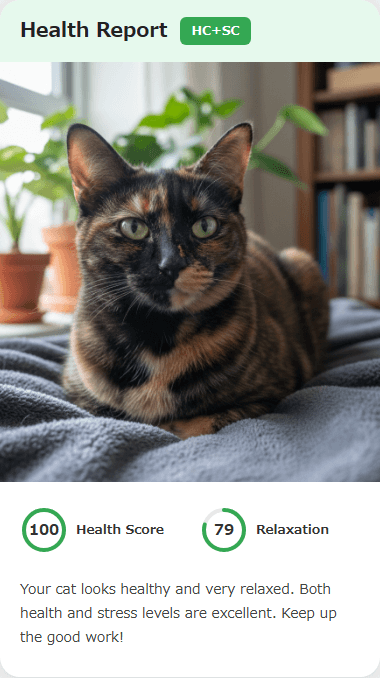

For senior cats, every day matters
For a senior cat, a way to catch the small daily changes matters most.
Subtle changes can signal serious issues in older cats. CatsMe tracks behavior, appetite, and health scores so you can act fast.
Used by 380,000+ cat owners in 50 countries


Symptoms of Hyperthyroidism
Classic symptoms:
- Increased appetite + weight loss (eating more yet getting thinner)
- Increased thirst and urination (drinking excessively)
- Hyperactivity and restlessness (racing around the house at night)
- Vomiting and diarrhea
- Poor coat quality
- Rapid heart rate (tachycardia)
- Increased aggression or personality changes
Complications to watch for:
- Heart enlargement (thyrotoxic cardiomyopathy): Left untreated, this can progress to heart failure
- High blood pressure: Carries a risk of sudden blindness from retinal detachment
- Unmasking of kidney disease: Treating the thyroid may reveal previously hidden chronic kidney disease (CKD) as blood flow to the kidneys normalizes
Comparing the Three Treatment Options
1. Medication (methimazole / thiamazole):
- The most common and accessible option
- Daily oral tablets or a transdermal ear gel
- Costs roughly $15 to $40 per month
- Requires lifelong administration with periodic blood tests to adjust dosing
2. Dietary therapy (Hill's y/d):
- A severely iodine-restricted prescription diet that controls thyroid hormone production
- A good option for cats that refuse medication
- The cat must eat this food exclusively — no treats or other foods allowed
- Difficult to manage in multi-cat households
3. Radioactive iodine therapy (I-131):
- The only curative treatment
- A single injection destroys the abnormal thyroid tissue
- Success rate exceeds 95%
- Costs $1,000 to $1,800, including 1 to 2 weeks of hospitalization at a specialty facility
- The most cost-effective option over the long term
Monitoring During Treatment and Key Precautions
If on medication:
- Blood work (T4 and kidney values) should be checked 2 to 4 weeks after starting treatment
- After stabilization, recheck every 3 to 6 months
- Watch for rising kidney values: When thyroid hormone normalizes, renal blood flow decreases, which can unmask previously hidden chronic kidney disease (CKD)
What to monitor at home:
- Weight trends — if treatment is working, weight should gradually return
- Changes in appetite and activity level
- Frequency of vomiting or diarrhea
Tracking your cat's daily health with the CatsMe app makes it easy to spot subtle changes and share trends with your veterinarian.
Early Detection of Hyperthyroidism & the Diagnostic Process
Hyperthyroidism is one of the easiest feline diseases to diagnose — a simple blood test is usually all it takes — which means early detection is well within reach.
Signs that should prompt testing:
- A cat over 10 that seems "too energetic" — abnormal hyperactivity
- Eating well but losing weight
- Racing around the house at night or excessive nighttime vocalization
- Drinking noticeably more water than usual
- Coat becoming dull and unkempt with decreased grooming
The diagnostic pathway:
1. Total T4 measurement: $25 to $65 (¥3,000–8,000). The baseline screening test. Most hyperthyroid cats show an elevated T4.
2. Free T4 (fT4): $40 to $80 (¥5,000–10,000). Added when T4 is normal or borderline but clinical signs are suggestive.
3. Cardiac evaluation: Heart rate assessment and, if needed, an echocardiogram to check for thyrotoxic cardiomyopathy.
4. Blood pressure measurement: $8 to $25 (¥1,000–3,000). Hypertension poses a risk of retinal detachment and sudden blindness.
5. Kidney value baseline: Establishing pre-treatment renal function is essential because treatment may unmask hidden CKD.
Annual T4 screening is strongly recommended for all cats over age 10. It is inexpensive and can be added to a routine wellness blood panel with no additional stress to the cat.
The Complex Relationship Between the Thyroid and the Kidneys
The most critical consideration when treating hyperthyroidism is its interplay with kidney function. These two conditions frequently coexist in senior cats, and treating one affects the other.
Why kidney values rise after treatment: Excess thyroid hormone increases cardiac output and, consequently, blood flow to the kidneys. This effectively "masks" underlying kidney disease by making the kidneys appear to function better than they actually do. When thyroid levels normalize with treatment, renal blood flow returns to its true baseline — unmasking the kidneys' actual condition.
How this is managed:
- Record kidney values before starting treatment as a baseline
- Recheck kidney values 2 to 4 weeks after initiating therapy — this is non-negotiable
- If kidney values rise significantly, the methimazole dose may need to be adjusted to find the sweet spot between thyroid control and kidney preservation
- In some cases, partial thyroid control (allowing mildly elevated T4) is better for the cat's overall quality of life than aggressively normalizing the thyroid at the expense of kidney function
Managing both conditions simultaneously requires close collaboration with your veterinarian. For more detail, read our comprehensive guide to chronic kidney disease in cats.
Living with a Hyperthyroid Cat: A Practical Daily Management Guide
With proper management, hyperthyroid cats can enjoy a comfortable, high-quality life. Here are the practical essentials.
Medication management tips:
- Give medication at the same time every day (twice daily is typical)
- If oral dosing is difficult, a transdermal gel applied to the inner ear is a convenient alternative
- Pill pockets or mixing crushed tablets into wet food are also effective strategies
- Use a medication calendar or phone alarm to prevent missed doses
If using dietary therapy (y/d):
- Feed absolutely nothing but the y/d diet — no treats, no other foods
- In multi-cat homes, prevent the hyperthyroid cat from accessing other cats' food
- If y/d alone does not achieve adequate thyroid control, your vet may recommend switching to or adding medication
Weight management: As treatment takes effect, appetite normalizes and weight recovers. Monitor closely to ensure recovery does not tip into obesity.
Monitoring schedule after stabilization:
- Every 3 to 6 months: T4, kidney values, and blood pressure
- Annually: Echocardiogram to monitor for thyrotoxic cardiomyopathy
Using the CatsMe app to log weight, appetite, and activity levels provides clear trend data that helps you and your veterinarian assess whether the current treatment plan is working optimally.
Your senior cat’s record, ready for the vet
In older cats, small daily changes matter most. CatsMe automatically logs health scores you can share with your vet in one tap.
甲状腺機能亢進症痩せる多動シニア猫猫の病気
FAQ
 CatsMe
Be ready the moment you sense something's off
Take one photo and the AI reads pain and condition from your cat's expression. Check the moment you wonder, and share the record with your vet.