
Senior Cat2026-04-18
2026 AAHA Oncology Guidelines: What Every Cat Owner Should Know About Cancer Treatment
The 2026 AAHA oncology guidelines explained for cat owners. Covers early detection, treatment options including immunotherapy, quality of life focus, and when to consider palliative care.

What Changed in the 2026 AAHA Oncology Guidelines
The American Animal Hospital Association (AAHA) released updated oncology guidelines in 2026, marking the most significant revision in nearly a decade. These guidelines serve as the gold standard for veterinary cancer care across North America and increasingly worldwide.
The most notable shift is the emphasis on early detection as a treatment multiplier. The guidelines now formally recommend annual cancer screening for cats over 7 years old, including palpation of lymph nodes, oral examination, and baseline blood work that includes tumor markers where available. For high-risk breeds such as Siamese (predisposed to lymphoma) and white-coated cats (predisposed to squamous cell carcinoma), screening is recommended starting at age 5.
Another major update is the integration of immunotherapy into standard treatment protocols. While surgery, chemotherapy, and radiation remain the primary pillars, the 2026 guidelines formally recognize immunotherapy — including monoclonal antibodies and cancer vaccines — as a fourth pillar. This reflects the growing body of evidence that immunotherapy can extend survival times while producing fewer side effects than traditional chemotherapy.
The guidelines also introduce a structured quality of life (QOL) assessment framework that veterinarians should use at every oncology visit. This framework goes beyond simple pain scoring to evaluate appetite, mobility, social interaction, and the cat's engagement with their environment — factors that collectively determine whether treatment is truly benefiting the patient.
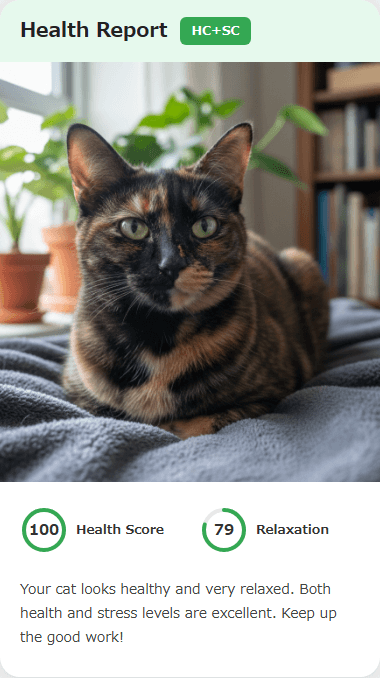

For senior cats, every day matters
For a senior cat, a way to catch the small daily changes matters most.
Subtle changes can signal serious issues in older cats. CatsMe tracks behavior, appetite, and health scores so you can act fast.
Used by 380,000+ cat owners in 50 countries


Treatment Options: Surgery, Chemotherapy, Radiation, and Immunotherapy
The 2026 guidelines organize feline cancer treatment into four primary modalities, each with specific roles depending on cancer type, stage, and the individual cat's health status.
Surgery remains the first-line treatment for most solid tumors. When complete surgical removal is achievable, it offers the best chance of cure. The guidelines emphasize obtaining clean surgical margins — meaning the removed tissue shows no cancer cells at its edges — as the single most important factor in preventing local recurrence. For injection-site sarcomas, wide margins of 3-5 cm are recommended.
Chemotherapy in cats is generally well-tolerated, with far fewer side effects than human chemotherapy. The guidelines note that approximately 80-85% of cats experience no significant side effects during treatment. Common protocols for lymphoma (the most frequent feline cancer) include COP (cyclophosphamide, vincristine, prednisolone) and CHOP protocols, with median survival times of 6-9 months for high-grade and 2+ years for low-grade lymphoma.
Radiation therapy has become more accessible and precise with advances in equipment. Stereotactic radiation (SRS/SRT) allows high-dose, targeted treatment in fewer sessions — sometimes just 1-3 treatments compared to the traditional 15-20 sessions. This is especially beneficial for cats, as it reduces anesthesia events.
Immunotherapy is the newest addition to the treatment arsenal. The AAHA guidelines highlight feline-specific developments including IL-2 immunotherapy for fibrosarcoma and ongoing trials of checkpoint inhibitors adapted from human oncology. While still emerging, early results show promise for extending survival with minimal side effects.
The guidelines stress that multimodal approaches — combining two or more treatments — typically produce the best outcomes.
Quality of Life: The Heart of Modern Cancer Care
Perhaps the most meaningful update in the 2026 AAHA guidelines is the elevation of quality of life from a secondary consideration to the central organizing principle of feline cancer care. The guidelines explicitly state that the goal of cancer treatment in cats is not to extend life at any cost, but to extend good life.
The new QOL assessment framework uses five domains, evaluated on a 1-10 scale at every oncology visit:
1. Pain management — Is pain well-controlled? Can the cat rest comfortably? Signs of pain in cats are often subtle: decreased grooming, hiding, reluctance to jump, changes in facial expression.
2. Appetite and nutrition — Is the cat eating voluntarily? Maintaining weight? Cats that stop eating for more than 48-72 hours face serious secondary health risks including hepatic lipidosis (fatty liver disease).
3. Mobility and activity — Can the cat move freely? Access the litter box? Engage in normal activities? Mobility changes often indicate pain progression or treatment side effects.
4. Social engagement — Does the cat still interact with family members? Seek affection? Respond to stimulation? Withdrawal from social interaction is one of the earliest indicators of declining quality of life in cats.
5. More good days than bad — The guidelines formalize the "good day/bad day" tracking that many veterinary oncologists have recommended informally. When bad days consistently outnumber good days, the treatment plan should shift toward comfort care.
The guidelines encourage owners to maintain a daily QOL diary — something that health tracking apps like CatsMe can facilitate by providing structured daily recording and trend analysis.
When to Treat vs. Palliative Care: Making the Difficult Decision
One of the most valuable aspects of the 2026 guidelines is the clear, compassionate framework for deciding when aggressive treatment is appropriate and when palliative (comfort-focused) care better serves the cat's interests.
Factors favoring active treatment:
- Cancer diagnosed at an early stage with good prognosis
- The cat is otherwise healthy with no significant comorbidities
- The cancer type has proven, effective treatment protocols
- The cat tolerates treatment well (many cats handle chemotherapy with minimal disruption)
- The owner is financially and emotionally prepared for the treatment journey
Factors favoring palliative care:
- Advanced or metastatic cancer with poor prognosis regardless of treatment
- Significant concurrent diseases (advanced kidney disease, heart disease)
- The cat is experiencing declining quality of life despite treatment
- Treatment side effects are significantly impacting the cat's wellbeing
- The cat's age and frailty make aggressive treatment disproportionately risky
Palliative care is not giving up — it is choosing comfort. Modern palliative care for cats includes sophisticated pain management (gabapentin, buprenorphine, NSAIDs where appropriate), appetite stimulants (mirtazapine), anti-nausea medication, nutritional support, and environmental modifications to maintain comfort and dignity.
The guidelines emphasize that this decision is not a one-time choice. Treatment can transition to palliative care at any point, and the decision should be revisited regularly based on the cat's response and quality of life assessment.
Cost considerations: The guidelines acknowledge financial reality. Feline cancer treatment can range from ¥50,000 for simple surgical removal to ¥500,000+ for comprehensive chemotherapy protocols. Pet insurance can significantly reduce the financial burden, though pre-existing conditions are typically excluded.
Early Detection: The Single Most Important Factor
If there is one message the 2026 AAHA guidelines drive home with unequivocal clarity, it is this: early detection saves lives and reduces suffering. Across virtually every cancer type in cats, early-stage diagnosis correlates with dramatically better outcomes.
The numbers are compelling. Cats with mammary cancer detected at tumor sizes under 2 cm have median survival times of over 3 years; those detected at over 3 cm survive a median of only 6 months. Early-stage intestinal lymphoma treated with chlorambucil and prednisolone has a median survival of 2+ years; advanced-stage intestinal lymphoma survives a median of 2-6 months even with aggressive treatment.
Warning signs every cat owner should know:
- Unexplained weight loss (the most common early sign of feline cancer)
- Lumps or bumps that grow, persist, or change
- Sores that do not heal within 2-3 weeks
- Difficulty eating, swallowing, or breathing
- Changes in bathroom habits
- Persistent vomiting or diarrhea
- Loss of appetite lasting more than 48 hours
- Lethargy and withdrawal from normal activities
Proactive screening recommendations from the 2026 guidelines:
- Annual wellness exams for all adult cats (twice yearly for cats over 10)
- Regular at-home body condition checks — run your hands over your cat weekly to detect any new lumps
- Monitor weight monthly — a cat losing 5% of body weight in 6 months warrants investigation
- Oral exams during routine vet visits — oral cancers are common and often caught late
- Baseline blood work at age 7, repeated annually, to catch internal changes early
CatsMe's daily health tracking and AI-powered expression analysis can help identify subtle changes in behavior and demeanor that may indicate early illness, complementing your regular veterinary visits with continuous at-home monitoring.
How CatsMe Supports Your Cat's Cancer Journey
Whether your cat is undergoing active treatment or you simply want to stay ahead with early detection, CatsMe provides tools designed to support every stage of the cancer care journey.
For early detection:
- Daily health logging helps establish your cat's baseline behavior, making it easier to spot deviations that could indicate illness
- AI-powered facial expression analysis can detect subtle signs of discomfort or pain that humans might miss
- Weight tracking with trend alerts flags unexplained weight loss — the number one early warning sign of feline cancer
- The symptom checker helps you assess whether observed changes warrant a vet visit
For cats in treatment:
- Track medication schedules, dosages, and side effects in one place
- Record daily quality of life scores using the same domains recommended by the AAHA guidelines
- Generate shareable health reports for your veterinary oncologist, ensuring they have accurate data about your cat's response between visits
- Monitor appetite, activity level, and social engagement trends over time
For the difficult conversations:
- QOL trend data helps remove emotion-driven uncertainty from treatment decisions
- Objective daily records provide the data foundation for meaningful discussions with your veterinarian about whether to continue, modify, or transition to palliative care
Early detection and consistent monitoring are the most powerful tools any cat owner has against cancer. Start tracking today.
Try CatsMe now →
Your senior cat’s record, ready for the vet
In older cats, small daily changes matter most. CatsMe automatically logs health scores you can share with your vet in one tap.
AAHAがん治療猫 がん腫瘍ガイドライン化学療法免疫療法緩和ケア2026
FAQ
 CatsMe
Be ready the moment you sense something's off
Take one photo and the AI reads pain and condition from your cat's expression. Check the moment you wonder, and share the record with your vet.