

Cancer in Cats: Prevalence & Why Early Detection Matters
Cancer (malignant neoplasia) is one of the leading causes of death in older cats. Approximately one-third of cats over age 10 will develop some form of tumor.
Common Cancer Types in Cats
- Lymphoma: The most common feline cancer; gastrointestinal lymphoma is the most frequent subtype
- Mammary tumors: Most prevalent in unspayed females; about 85-90% of feline mammary tumors are malignant
- Squamous cell carcinoma (SCC): Develops in the mouth, ears, and nose
- Mast cell tumor: Occurs in the skin or internal organs
Cancer warning signs in cats are extremely subtle in the early stages, often presenting as barely noticeable changes from normal behavior.
Early detection opens up more treatment options and dramatically improves prognosis. Lymphoma in particular may achieve remission with early chemotherapy.
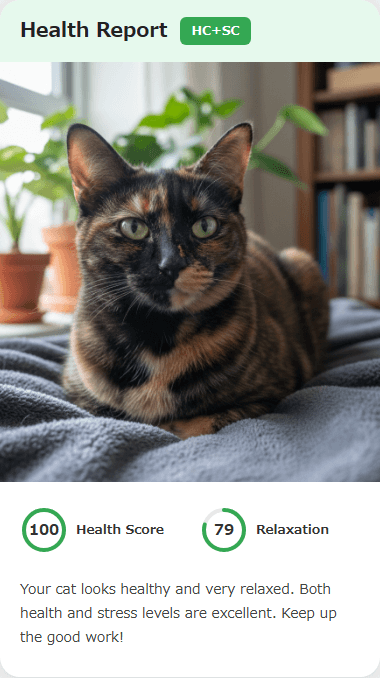

For senior cats, every day matters
For a senior cat, a way to catch the small daily changes matters most.
Subtle changes can signal serious issues in older cats. CatsMe tracks behavior, appetite, and health scores so you can act fast.
Used by 380,000+ cat owners in 50 countries


Subtle Early Signs of Cancer You May Miss
以下の症状はがんの初期症状である可能性があるため、見逃さないようにしましょう。
1. 原因不明の体重減少
ダイエットをしていないのに体重が減る場合は要注意。
2. 食欲の変化
食欲不振が続く場合、消化管のリンパ腫や口腔内の腫瘍の可能性。
3. しこり・腫れ
体の表面に新たなしこりが見つかった場合は、必ず獣医師に診てもらいましょう。
4. 治らない傷・ただれ
数週間経っても治らない皮膚の潰瘍は扁平上皮癌の可能性。
5. 口臭の悪化・口からの出血
口腔内の腫瘍のサイン。
6. 慢性的な嘔吐・下痢
消化管リンパ腫の初期症状として現れることがある。
7. 呼吸困難・咳
肺の腫瘍や胸水貯留。
8. 元気消失・活動量の低下
全般的な体調悪化のサイン。
何か異常を見つけたら「しばらく様子を見よう」と待たず、2週間以内に動物病院を受診してください。
Routine Screenings & At-Home Self-Checks
Recommended Screening Frequency by Age
- Under 7 years: Annual wellness exam
- 7-10 years: Wellness exam once or twice a year plus blood work
- Over 10 years: Biannual wellness exams with comprehensive blood panels and urinalysis
Useful Screening Tests for Cancer
- Blood work: Detects anemia, white blood cell abnormalities, and organ function changes
- Chest and abdominal X-rays: Identifies lung masses and intra-abdominal tumors
- Abdominal ultrasound: Excellent for detecting masses in the GI tract, liver, spleen, and kidneys
- Fine-needle aspirate (FNA): A needle is inserted into a lump to collect cells for microscopic evaluation
At-Home Self-Checks
Once a month, gently run your hands over your cat's entire body to feel for lumps or swelling.
- Mammary glands (along both sides of the belly)
- Lymph nodes (under the jaw, armpits, behind the knees)
- Inside the mouth (gum color and swelling)
- Abdomen (distension or firm masses)
Preventing Mammary Tumors
Early spaying dramatically lowers the risk of mammary tumors. Spaying before six months of age reduces the risk by approximately 91%.
Practical Guide to Cancer Treatment Options
Cancer treatment for cats has advanced significantly in recent years, and multiple therapeutic options are now available. As an owner, understanding the characteristics of each treatment and discussing options thoroughly with your veterinarian is essential for making informed decisions about your cat's care plan.
Major Treatment Options
1. Surgery
Surgery is the first-line treatment for solid tumors. When a tumor is localized, complete surgical excision can aim for a cure. Early surgical removal is most effective for mammary tumors and cutaneous mast cell tumors. Histopathology after surgery determines the tumor type and grade, guiding decisions about whether additional treatment is needed.
2. Chemotherapy
Chemotherapy is the cornerstone of lymphoma treatment. Feline chemotherapy protocols use lower doses than human ones, so side effects are relatively mild. Treatment typically involves weekly veterinary visits over a period of several months to a year. Remission is achieved in approximately 60-70% of lymphoma cases.
3. Radiation Therapy
Radiation is used for tumors that cannot be completely removed surgically, such as nasal squamous cell carcinoma. Because general anesthesia is required for each session, the cat's overall health must be carefully evaluated before proceeding.
4. Palliative Care
Palliative treatment focuses on relieving pain and discomfort rather than curing the disease. It combines analgesics, nutritional support, and stress reduction strategies to maintain quality of life for as long as possible.
How to Decide on a Treatment Plan
Review the pros, cons, costs, required visit frequency, and prognosis for each option your veterinarian presents. Factor in your cat's age, overall condition, and your household circumstances to reach a decision that balances medical benefit with quality of life.
Expert Analysis: Latest Advances in Feline Oncology
Feline oncology is advancing rapidly. Here we examine the latest research and treatment approaches from an expert perspective, offering insight into what the future holds for cats diagnosed with cancer.
Targeted Molecular Therapies
Unlike conventional chemotherapy drugs that damage healthy cells alongside cancerous ones, targeted molecular therapies zero in on molecules unique to cancer cells, resulting in fewer side effects. Clinical trials for new targeted agents against feline lymphoma and mast cell tumors are underway, and these therapies are expected to expand the treatment toolkit in the near future.
Immunotherapy Potential
Research into immunotherapy — harnessing the cat's own immune system to attack cancer cells — is gaining momentum. Particularly for injection-site sarcomas (vaccine-associated sarcomas), immunotherapy approaches have shown promising results at veterinary teaching hospitals abroad.
Liquid Biopsy
Liquid biopsy detects tumor-derived DNA circulating in the bloodstream, enabling early cancer detection and treatment monitoring through a minimally invasive blood draw. While data specific to cats remains limited, the technology is expected to become more widely available in veterinary medicine in the coming years.
Nutritional Support as an Adjunct
Cancer cells preferentially use glucose for energy, which is why a high-protein, high-fat, low-carbohydrate diet is considered beneficial as a supportive measure. Some studies suggest that omega-3 fatty acids may slow cancer progression, making nutritional management an important adjunct to primary treatment.
The Value of a Second Opinion
If your cat receives a cancer diagnosis, seeking a second opinion from a board-certified veterinary oncologist is strongly recommended. Oncology specialists stay current with the latest treatment protocols and can collaborate with your primary veterinarian to design the best possible care plan for your cat.
When to Take Action: Responding to Potential Cancer Signs
When you spot signs that could indicate cancer, acting swiftly and calmly can make the difference between life and death for your cat. Below is a timeline-based action guide to help you respond appropriately.
Seek Veterinary Care Within 48 Hours If:
- A lump on the body is growing rapidly
- There is unexplained bleeding that will not stop
- Your cat is experiencing breathing difficulty, which may indicate a lung tumor or pleural effusion
- Sudden hind-leg paralysis occurs, suggesting possible thromboembolism
Schedule a Visit Within Two Weeks If:
- You have discovered a new lump anywhere on the body
- A wound or sore has not healed after more than two weeks
- Unexplained weight loss is ongoing
- Chronic vomiting or diarrhea persists
- Loss of appetite has continued for over a week
Action Checklist for the Vet Visit
1. Bring notes on the progression of symptoms — when they started, severity, and any changes
2. If possible, prepare photos or videos showing the symptoms
3. Inform the vet of all current medications
4. Ask about advanced diagnostics such as blood work, imaging, and fine-needle aspiration
5. Inquire whether a referral to a specialist is warranted
The Benefits of Acting Early
Cancers detected at an early stage offer more treatment options and a higher likelihood of successful outcomes with less invasive methods. The chance of achieving complete surgical excision is greater, and overall treatment costs tend to be lower. Making an appointment at the first sign of concern is always the wisest course of action. Early detection is the single most powerful tool in the fight against feline cancer.
Resources & Support for Cats Battling Cancer
Caring for a cat diagnosed with cancer places a significant physical and emotional burden on the owner. By leveraging available resources and support systems, both the cat and the owner can face the journey in the best possible way.
Veterinary Oncology Specialist Networks
The Japanese Veterinary Cancer Society (JVCS) publishes a directory of certified oncology specialists. After receiving a confirmed cancer diagnosis, consider seeking a second opinion at a referral hospital with oncology specialists. University veterinary teaching hospitals also offer advanced imaging diagnostics and treatment protocols that may not be available at general practices.
Financial Support
If you carry pet insurance, cancer treatment costs may be reimbursed at 50-70% depending on your plan. Even without insurance, some veterinary clinics offer installment payment options for expensive treatments. Discuss cost projections openly with your veterinarian before beginning treatment so there are no surprises along the way.
Owner Mental Health
A cat's cancer battle takes a heavy toll on the owner's well-being. Difficult treatment decisions, financial anxiety, and the distress of watching your cat suffer create compounding stress. Connecting with online pet cancer communities on social media or consulting a veterinary social worker can bring meaningful emotional relief.
Optimizing Home Care
Ensure your cat has a quiet, warm resting area, access to preferred foods, and a low-stress environment throughout the treatment period. Carelogy's online consultation service allows you to receive expert advice from the comfort of your home, which can be especially valuable when frequent clinic visits are difficult.
Related Articles
- Hospice Care for Cats: Guidance on end-of-life comfort care
- Pet Loss and Grief: Preparing to say goodbye and caring for your heart
- Senior Cat Nutrition: Dietary support during illness
Your senior cat’s record, ready for the vet
In older cats, small daily changes matter most. CatsMe automatically logs health scores you can share with your vet in one tap.
がん腫瘍早期発見リンパ腫定期検査
FAQ
 CatsMe
Be ready the moment you sense something's off
Take one photo and the AI reads pain and condition from your cat's expression. Check the moment you wonder, and share the record with your vet.